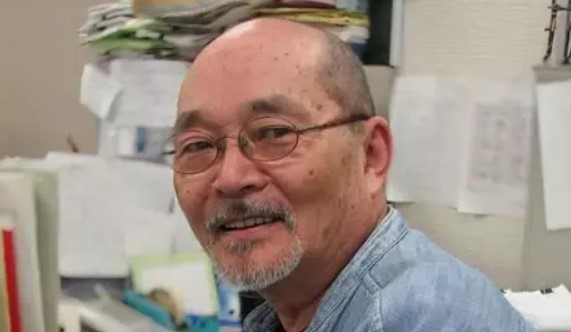
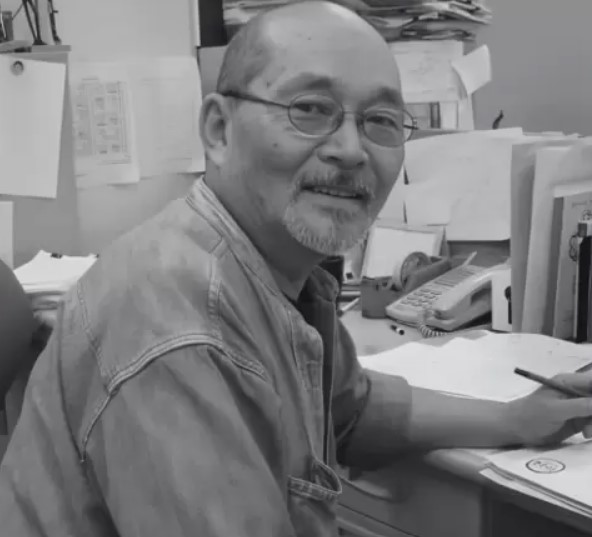
Tsutomu Shibayama was one of the most respected names in Japanese animation. For more than six decades, he worked quietly but powerfully behind the scenes, shaping stories that touched millions of hearts. His most famous work was directing the beloved anime Doraemon, which became a household name not only in Japan but across the world.
Born in Tokyo in 1941, Shibayama lived through Japan’s post-war years, a time when art and entertainment were slowly rebuilding. He entered the animation industry in the 1960s and quickly became known for his speed, precision, and ability to guide large projects. His passing on 6 March 2026 at the age of 84, due to lung cancer, marked the end of an era in anime history.
Tsutomu Shibayama Career, Age, Death, BIO, Family
| Attribute | Details |
|---|---|
| Full Name | Tsutomu Shibayama |
| Birth Date | 9 March 1941 |
| Birth Place | Asakusa, Taitō, Tokyo, Japan |
| Death Date | 6 March 2026 |
| Age at Death | 84 years |
| Cause of Death | Lung Cancer |
| Nationality | Japanese |
| Occupation | Animator, Director |
| Years Active | 1963 – 2005 |
| Famous For | Doraemon TV series and films |
| Major Studios | Toei Doga, A Production, Shin-Ei Animation, Ajiado Studio |
| Notable Works | Doraemon, Ranma ½, Chibi Maruko-chan, Nintama Rantaro |
| Awards | Agency for Cultural Affairs Award (2012), Lifetime Achievement Award (2018) |
| Wikipedia | @Tsutomu_Shibayama |
| IMDb | @nm1167622/ |
Early Life and Childhood in Tokyo
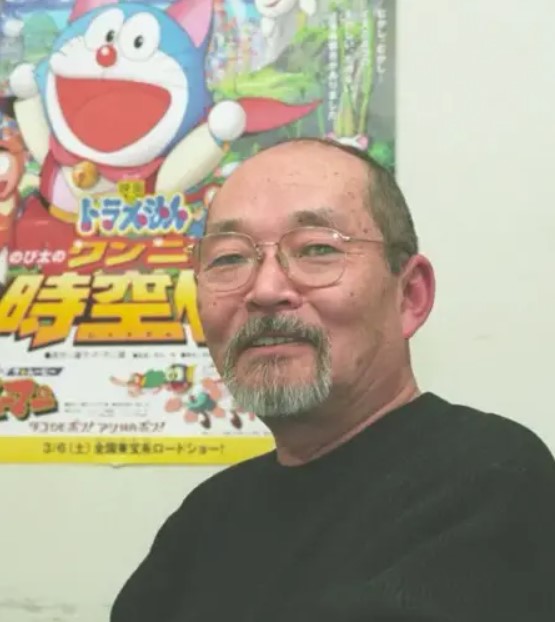
Tsutomu Shibayama was born on 9 March 1941 in Asakusa, a lively district in Tokyo known for its culture and traditions. Growing up in post-war Japan, life was not easy, but art and creativity gave him hope. As a young boy, he loved drawing and storytelling. His passion for sketching characters eventually led him to try his hand at manga.
In his early years, Shibayama even worked under a pen name, Hajime Sanjō, creating manga stories. This experience gave him a strong foundation in visual storytelling. He learned how to build characters, create emotions, and connect with readers. These skills later became the backbone of his career in animation.
Entry into Animation: Toei Doga Years
Shibayama’s professional journey began in 1963, when he joined Toei Doga, one of Japan’s most important animation studios. Toei was home to many future legends, including Hayao Miyazaki and Isao Takahata. Working alongside such talent helped Shibayama sharpen his skills.
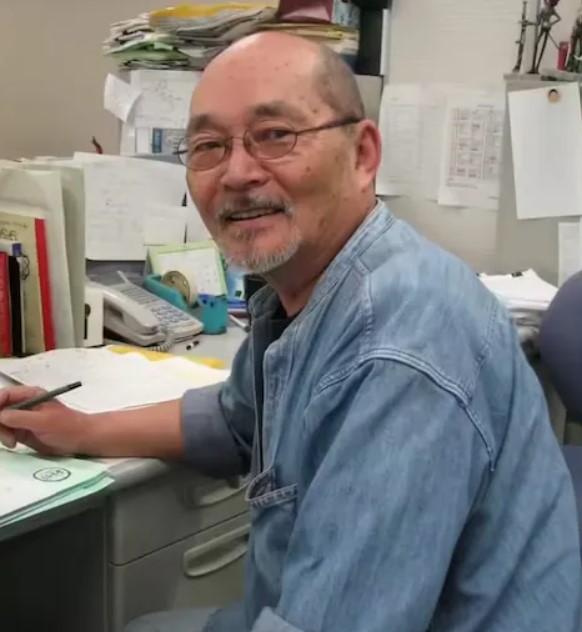
His first projects included Doggie March and Wolf Boy Ken. These early works may not be as famous today, but they were important stepping stones. At Toei, Shibayama learned the discipline of animation production. He was mentored by Seiichi Hayashi, who influenced his artistic style.
Rise in the Industry: A Production and Shin-Ei Animation
After gaining valuable experience at Toei Doga, Shibayama moved to A Production in 1966, which later became Shin-Ei Animation. At A Production, he worked on popular shows like Moomin, Tensai Bakabon, and The Gutsy Frog. These series were loved by Japanese audiences and gave Shibayama the chance to show his skill as a layout artist and director.
His ability to manage large projects and deliver high-quality work made him stand out. Colleagues often spoke about his speed and accuracy. He could finish layouts and storyboards faster than most, without losing detail. This reputation helped him rise in the industry and gain trust from producers. By the late 1970s, Shibayama was already seen as one of the most reliable directors in Japanese animation.

See Also:- Ravi Mittal (IAS)
Founding of Ajiado Studio
Shibayama, Osamu Kobayashi, and other associates co-founded Ajiado Animation Studio in 1978. The studio was created to give animators more creative freedom and to produce original works. Shibayama became the president and CEO, guiding the studio for many years.
Ajiado produced several well-known projects, including Nintama Rantaro and Magical Circle Guru Guru. Under Shibayama’s leadership, the studio became a place where young animators could learn and grow. He believed in giving opportunities to new talent, which helped shape the next generation of Japanese animation. His role as a mentor was just as important as his role as a director.
Doraemon Era: The Defining Legacy
Shibayama’s most famous work came with Doraemon, the anime series based on Fujiko F. Fujio’s manga. He directed the Doraemon TV series from 1984 to 2005, a period when the show became a cultural phenomenon. Doraemon was not just entertainment; it became part of childhood for millions of kids in Japan and abroad.
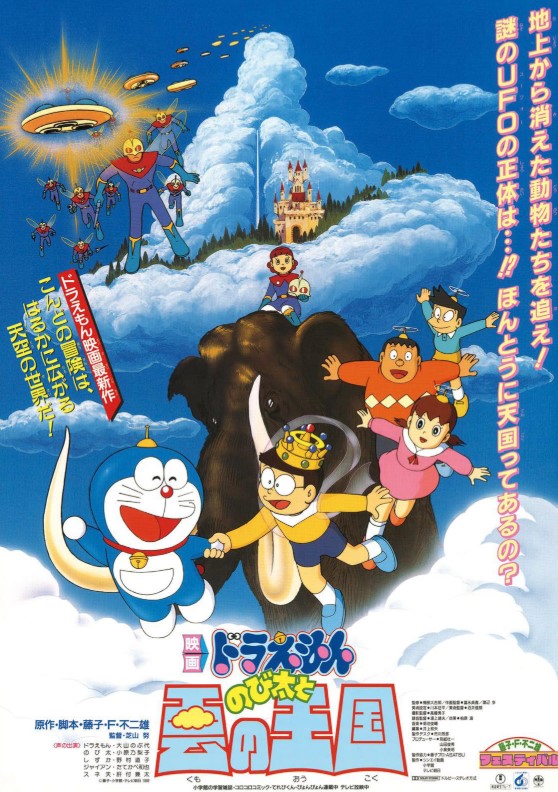
He also directed more than 20 Doraemon films, including Nobita and the Wan-Nyan Spacetime Odyssey in 2004. These films carried themes of friendship, imagination, and hope. Shibayama’s direction gave the characters warmth and relatability. His storytelling style made Doraemon more than just a robot cat — it became a symbol of comfort and joy.
Other Notable Works Beyond Doraemon
While Doraemon defined his career, Shibayama also worked on many other projects. He directed episodes of Ranma ½ in 1989, Chibi Maruko-chan in 1990, and Nintama Rantaro in 1993. Each of these shows had its own unique style, and Shibayama adapted his approach to suit them.
Interestingly, he also contributed to international projects. He worked on DuckTales and The New Adventures of Winnie the Pooh, showing his versatility. His ability to move between Japanese and Western animation proved his wide-ranging talent. This made him one of the few Japanese directors who had influence beyond his home country.
Awards and Recognition
Tsutomu Shibayama’s long career did not go unnoticed. In 2012, he received the Agency for Cultural Affairs Award, which honoured his contribution to Japanese animation. This award is given to artists who have made a lasting impact on culture, and Shibayama’s work with Doraemon and other series clearly fit that description.
Later, in 2018, he was honoured with the Lifetime Achievement Award at the Tokyo Anime Award Festival. This recognition celebrated his decades of dedication and his role in shaping anime as a global art form. For many in the industry, Shibayama was not just a director but a mentor and guide. His awards reflected both his technical skill and his influence on younger animators.
Last Year & Death
Shibayama lived most of his life in Tokyo, close to the studios where he worked. He was deeply dedicated to his craft, often spending long hours on projects. Colleagues described him as humble and hardworking, someone who preferred to let his work speak rather than seek the spotlight.
In his later years, Shibayama faced health challenges. He battled lung cancer, which eventually led to his passing on 6 March 2026. His death at the age of 84 was mourned by fans and colleagues alike. For many, it felt like losing a quiet guardian of anime history. His family, friends, and the animation community remembered him not only for his achievements but also for his kindness and humility.
Read Also:- Madhu Malhotra