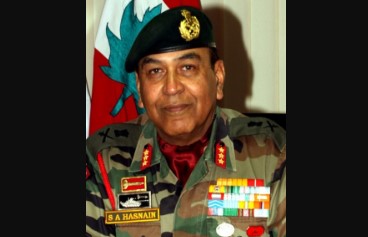
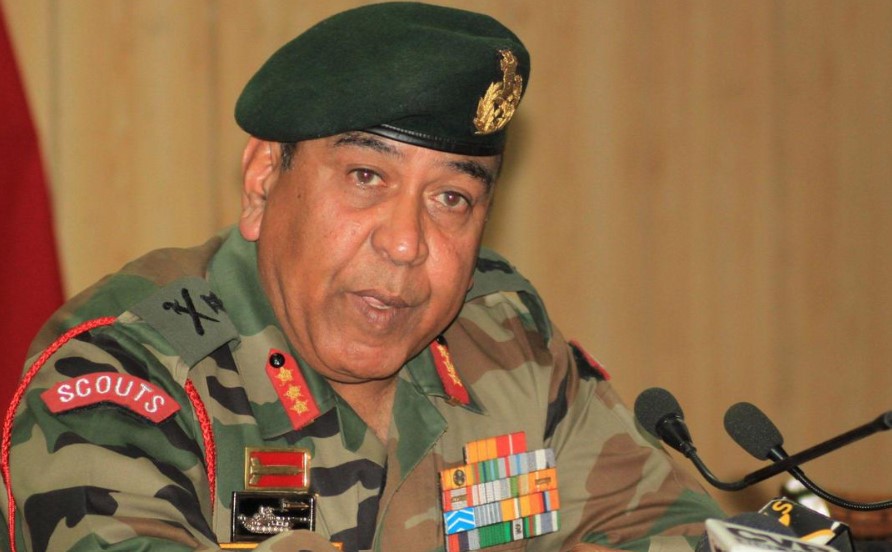
Syed Ata Hasnain, aka Lieutenant General Syed Ata Hasnain is one of India’s most respected military leaders and public figures. Born on 21 June 1957 in Delhi, he rose through the ranks of the Indian Army to become a decorated officer known for his sharp intellect, humane leadership style, and innovative ideas. Today, he serves as the Governor of Bihar, a role that marks his transition from soldier to statesman.
What makes Hasnain stand out is not only his military achievements but also his ability to connect with ordinary people. During his tenure in Jammu and Kashmir, he introduced programs that built trust between the Army and civilians, earning him the nickname “People’s General.” His philosophy combined discipline with compassion, showing that leadership is not just about command but also about empathy.
Syed Ata Hasnain DOB, Wife, Profession, Parents, BIO
| Attribute | Details |
|---|---|
| Full Name | Lieutenant General Syed Ata Hasnain |
| Date of Birth | 21 June 1957 |
| Age (as of March 2026) | 68 years |
| Birthplace | Delhi, India |
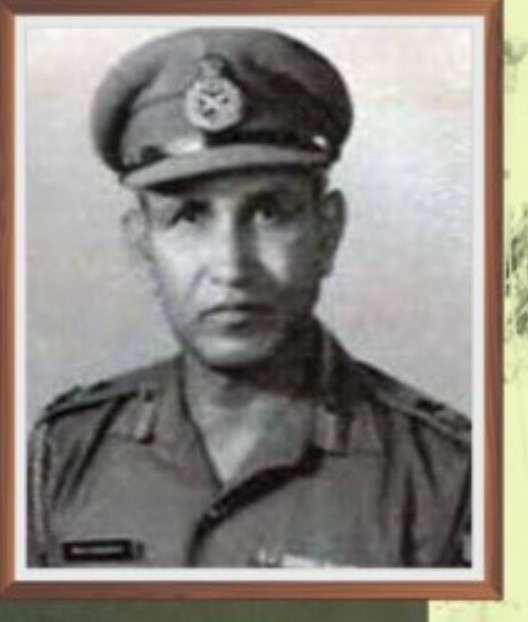
| Father | Major General Syed Mahdi Hasnain |
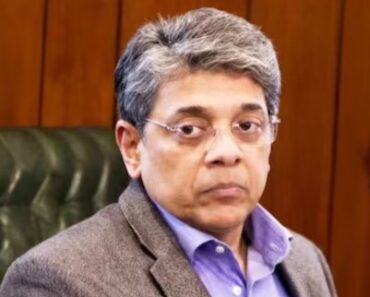
| Sibling | Raza Hasnain (Retired IAS Officer) |
| Education | Sherwood College, Nainital; St. Stephen’s College, Delhi University; King’s College, London; Royal College of Defence Studies, London; Asia Pacific Center for Security Studies, Hawaii |
| Military Commission | 4 Garhwal Rifles (1974) |
| Major Operations | Operation Pawan (Sri Lanka), Counter-insurgency in Punjab, Kashmir postings, UN Missions in Mozambique & Rwanda |
| Key Position | General Officer Commanding XV Corps (Chinar Corps) |
| Philosophy | “Scholar Warrior” doctrine; “Hearts Doctrine” |
| Awards & Honours | PVSM (2013), UYSM (2012), AVSM (2009), Sena Medal, VSM (Bar), UN Medals, Capital Foundation Society Award |
| Post-Retirement Roles | Chancellor, Central University of Kashmir (2018); Member, NDMA (2020); Columnist & Public Speaker |
| Current Role | Governor of Bihar (March 2026) |
| Wife | Sabiha Hasnain (Senior Executive in MNC) |
| Children | Two daughters, including Sana Hasnain |
| Languages Known | English, Hindi, Urdu |
| Nickname | “People’s General” |
| Wikipedia | @Syed_Ata_Hasnain |
| @atahasnain/ |
Early Life and Family Background
Syed Ata was born into a family deeply rooted in military tradition. His father, Major General Syed Mahdi Hasnain, was a senior officer in the Indian Army. Growing up in such an environment meant that discipline, service, and patriotism were part of his everyday life. His family background played a major role in shaping his career path.
He also has a brother, Raza Hasnain, who chose a different route and became an officer in the Indian Administrative Service (IAS). Together, the two brothers represent a family dedicated to serving the nation in different capacities—one through the armed forces and the other through civil administration.
Education and Academic Excellence
He studied at Sherwood College in Nainital, a well-known boarding school that has produced many distinguished personalities. After school, he pursued a Bachelor’s degree in History from St. Stephen’s College, Delhi University. St. Stephen’s is one of India’s most prestigious institutions, and his years there helped him develop a strong academic foundation and a love for history.
He went on to earn advanced degrees, including M.Sc. and M.Phil, and later completed a Master’s in International Studies from King’s College, London. His academic journey also took him to the Royal College of Defence Studies in London and the Asia Pacific Center for Security Studies in Hawaii.
Military Career Beginnings
Syed Ata Hasnain was commissioned into the 4 Garhwal Rifles regiment of the Indian Army in 1974. This regiment has a long and proud history, and joining it was both an honour and a responsibility. His early years in service were marked by rigorous training, discipline, and exposure to the realities of military life.
One of his first major assignments was during Operation Pawan in Sri Lanka (1988–1990), where the Indian Peace Keeping Force was deployed. This mission was complex and dangerous, involving counter-insurgency operations against the LTTE. Hasnain’s role in this mission gave him firsthand experience of unconventional warfare and the challenges of peacekeeping in foreign territory.
Service in Jammu & Kashmir
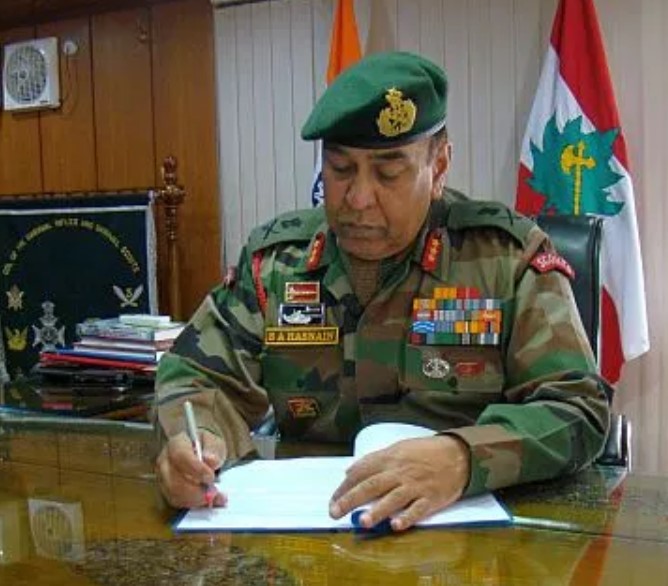
Perhaps the most defining phase of Hasnain’s career was his service in Jammu and Kashmir. He held several important postings in the region, including at Uri, Baramulla, and the Siachen Glacier.
As the General Officer Commanding (GOC) of XV Corps, also known as Chinar Corps, he introduced innovative measures to improve relations between the Army and civilians. One of his most notable initiatives was the “Hearts Doctrine”, which emphasised compassion, dialogue, and respect for local culture.
He also started Awami Sunwai programs, where ordinary citizens could directly interact with Army officers to share their concerns. Another creative initiative was the Kashmir Premier League (KPL), a cricket tournament that brought together young players from across the valley.
See Also:- Kate Hawley
International Assignments and UN Missions
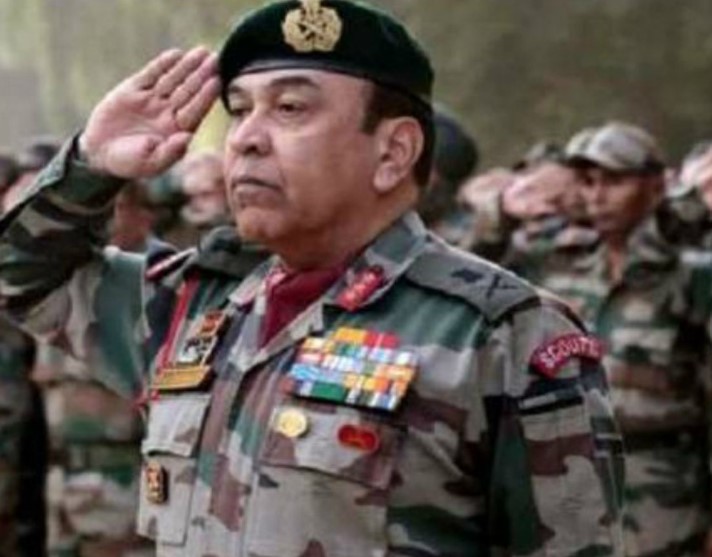
Hasnain’s career was not limited to India. He also served with the United Nations in Mozambique and Rwanda, contributing to international peacekeeping efforts. These missions exposed him to global military diplomacy and the challenges of maintaining peace in war-torn regions.
In Rwanda, he witnessed the aftermath of the genocide and worked alongside international forces to stabilise the country. His role in these missions highlighted his ability to adapt to different environments and cultures. He earned UN medals for his service, which added to his distinguished record.
Awards and Decorations
- Param Vishisht Seva Medal (2013) – awarded for distinguished service of the highest order.
- Uttam Yudh Seva Medal (2012) – for exceptional leadership during operations.
- Ati Vishisht Seva Medal (2009) – for outstanding service.
- Sena Medal and Vishisht Seva Medal (Bar) – for bravery and distinguished service.
- United Nations Medals – for his missions in Rwanda and the Middle East.
- Capital Foundation Society Award (2013) – recognising his role in strengthening civil-military relations.
Post-Retirement Contributions
After retiring from the Army, Hasnain continued to serve the nation in different ways. He became a Visiting Fellow at the Vivekananda International Foundation and a Senior Fellow at the Delhi Policy Group, where he contributed to discussions on national security and foreign policy.
In 2018, he was appointed as the Chancellor of the Central University of Kashmir. In 2020, he joined the National Disaster Management Authority (NDMA) as a member. Hasnain also became a respected columnist, writing for newspapers such as The Times of India, The Indian Express, and The Tribune. His articles covered topics like national security, geopolitics, and leadership.
Personal Life
Behind the uniform and public responsibilities, Syed Hasnain has a family life that keeps him grounded. He is married to Sabiha Hasnain, who works as a senior executive in a multinational company. Her career reflects the family’s commitment to professionalism and excellence.
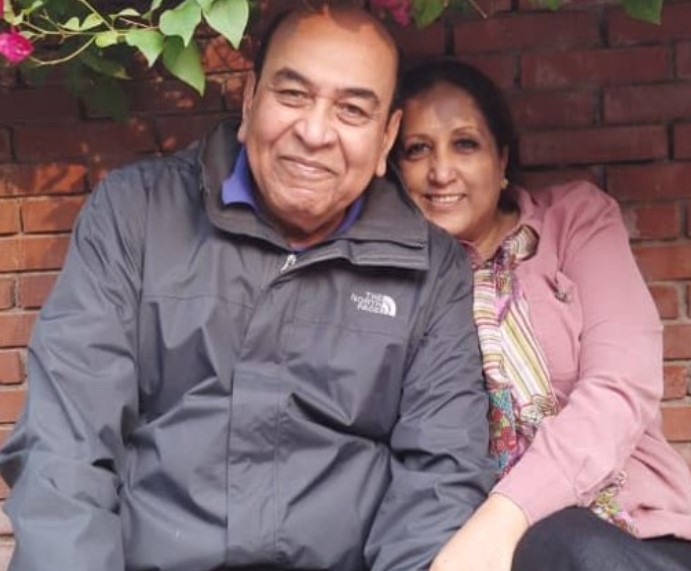
The couple has two daughters, including Sana Hasnain. His family has largely stayed away from the public spotlight, preferring privacy. Yet, their support has been a constant source of strength for him throughout his demanding career.
Political Career and Governorship
After a long and distinguished military career, Syed Ata Hasnain entered public service in a new way. In March 2026, he was appointed as the Governor of Bihar. This marked a major transition in his journey—from a soldier and strategist to a statesman and administrator.
As Governor, his role is to act as the representative of the President of India in the state. His appointment was seen as a recognition of his leadership skills and his ability to handle complex situations with balance and fairness. Bihar, with its diverse population and political challenges, is a state where his experience in conflict resolution and people management can make a real difference.
Read Also:- Zahra Haddad Adel