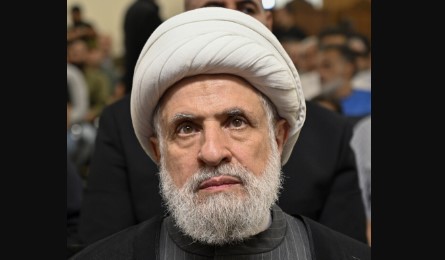
Naim Qassem is one of the most important figures in Lebanese politics today. Born in February 1953, he is now 73 years old and serves as the Secretary-General of Hezbollah, a role he assumed in late 2024 after the assassination of Hassan Nasrallah. His rise to leadership came at a time of great tension in the Middle East, with Lebanon facing political instability and ongoing conflict with Israel.
Qassem’s journey is remarkable because he started life in a modest family in Lebanon, far removed from the corridors of power. Over the years, he transformed himself from a student of chemistry into a respected Shiite cleric and political leader. His story is not only about personal ambition but also about the larger struggle of Lebanon’s Shiite community and the role of Hezbollah in regional politics.
Naim Qassem Age, Height, Wife, Family, BIO
| Attribute | Details |
|---|---|
| Full Name | Naim Qassem |
| Date of Birth | February 1953 |
| Age (as of 2026) | 73 years |
| Place of Birth | Kfar Fila, Lebanon |
| Nationality | Lebanese |
| Religion | Shia Islam |
| Occupation | Politician, Cleric, Author |
| Known For | Secretary-General of Hezbollah (since October 2024) |
| Education | Bachelor’s and Master’s in Chemistry, Lebanese University (1977) |
| Early Career | Chemistry teacher; student activist |
| Political Career | – Founding member, Lebanese Union of Muslim Students (1970s) – Leader, Association for Islamic Religious Education (1974–1988) – Member of Amal Movement (1970s) – Deputy Secretary-General of Hezbollah (1991–2024) – Secretary-General of Hezbollah (2024–present) |
| Hair Color | Salt-and-pepper |
| Eye Color | Light brown |
| Marital Status | Married |
| Children | Six |
| Books Authored | Hizbullah: The Story from Within (translated into six languages) |
| Languages | Arabic, French, English |
| Controversies | Criticism over Hezbollah’s armed presence and role in regional conflicts |
| Wikipedia | @Naim_Qassem |
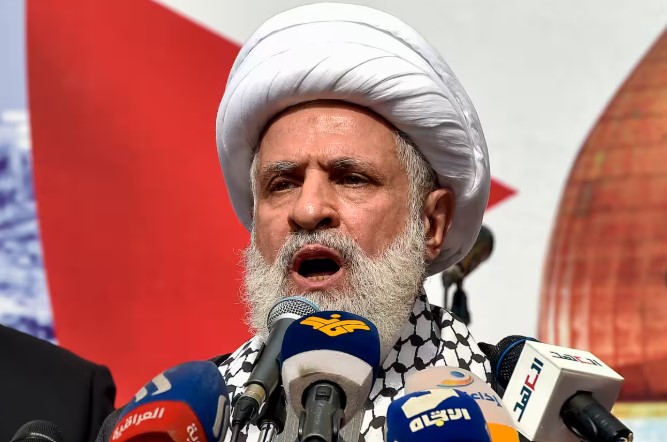
Early Life and Family Background
Naim was born in Kfar Fila, Lebanon, in February 1953. He grew up in Beirut, where his family lived a simple life. His father worked as a taxi driver, and despite being illiterate, he placed great importance on education. This emphasis on learning shaped Qassem’s early years and gave him the foundation to pursue higher studies.
As a child, Qassem was deeply influenced by religious gatherings during Ramadan. He would listen to Shiite clerics who spoke about faith, morality, and community. These early experiences planted the seeds of his religious identity, even though his family did not belong to a clerical background. His upbringing was marked by discipline, modesty, and a strong sense of duty towards his community.
Education and Academic Pursuits
Qassem was a bright student during his school years. He excelled in subjects like French and Chemistry, showing both linguistic ability and scientific curiosity. His teachers often noted his seriousness and dedication to studies.
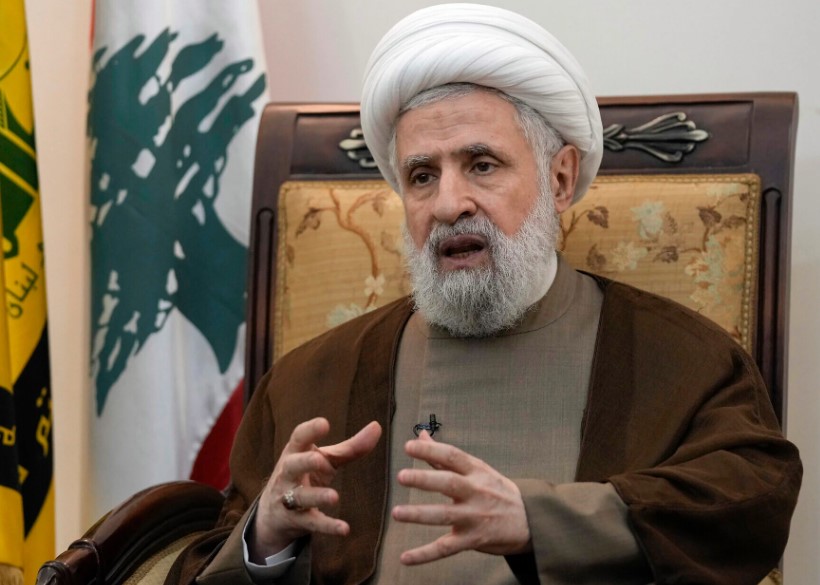
He later joined the Lebanese University, where he completed his Bachelor’s and Master’s degrees in Chemistry by 1977. For a brief period, he worked as a chemistry teacher, sharing his knowledge with students. However, his interest in religion and politics soon pulled him away from the classroom.
Family Life and Relationships
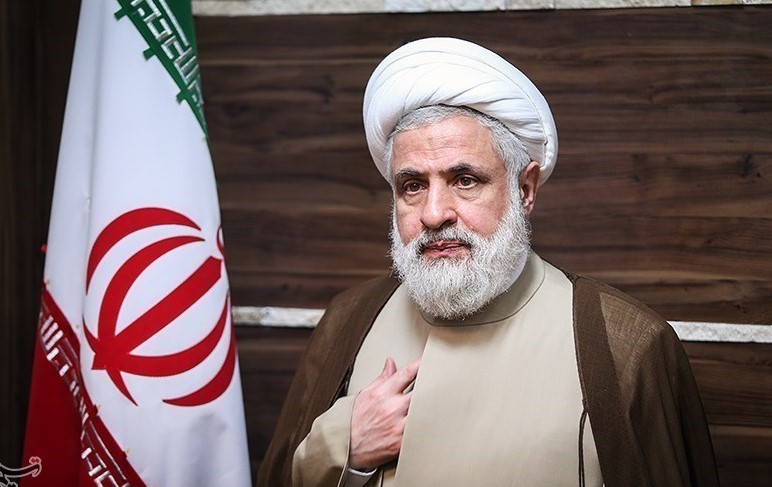
Qassem is married and has six children. His family has largely stayed away from the public eye, reflecting his preference to keep personal matters private. Despite his demanding political career, he has always maintained strong ties with his family.
His wife and children have supported him throughout his journey, from his early days as a student activist to his current role as Secretary-General. Family life has given him stability and balance, even as he navigates the pressures of leadership.
See Also:- Swati Bhargava (CashKaro)
Early Political Activism
Naim Qassem’s political journey began in the 1970s when Lebanon was experiencing civil unrest. As a young man, he became one of the founding members of the Lebanese Union of Muslim Students. In 1974, he took on a leadership role in the Association for Islamic Religious Education, where he worked until 1988. His focus was on promoting Islamic values and education among the youth.
Qassem also joined the Amal Movement, which was led by the respected cleric Musa al-Sadr. Amal was one of the most influential Shiite groups at the time. However, after Musa al-Sadr’s disappearance in 1978, Qassem grew disillusioned with Amal’s direction and eventually left the movement. This decision set the stage for his involvement in Hezbollah.
Rise within Hezbollah
When Hezbollah was formed in 1982, Qassem was among its early members. His background in education and activism made him a natural fit for the organization. Over time, he became one of its most trusted leaders.
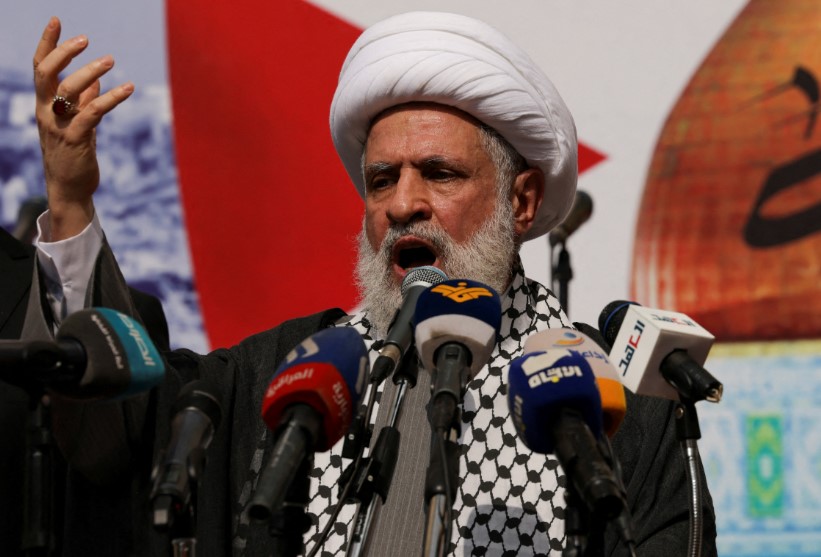
In 1991, he was appointed Deputy Secretary-General of Hezbollah, a position he held for more than three decades. During this time, he played a key role in shaping Hezbollah’s political strategy. He oversaw the group’s participation in Lebanese elections starting in 1992, ensuring that Hezbollah gained legitimacy not only as a resistance movement but also as a political party.
Leadership as Secretary-General
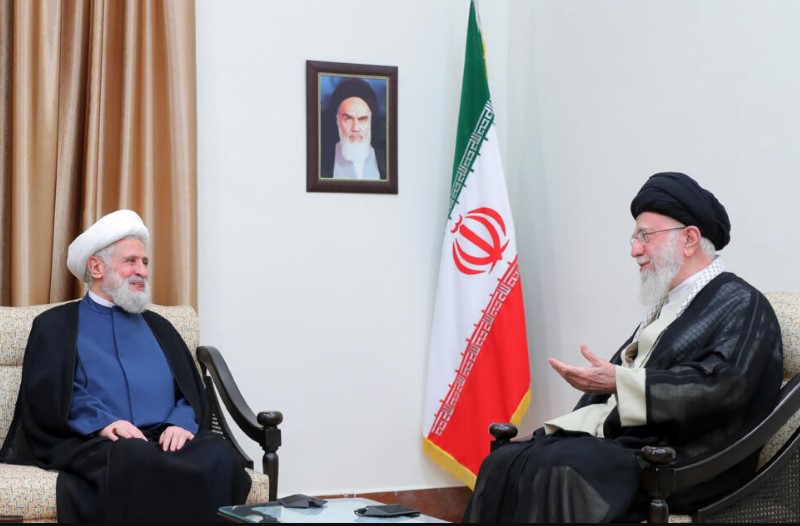
In October 2024, after the assassination of Hassan Nasrallah, Qassem was chosen as the 4th Secretary-General of Hezbollah. His election came at a time of crisis, with Lebanon facing economic collapse and renewed conflict with Israel.
As leader, Qassem has had to navigate enormous challenges. He has continued Hezbollah’s policy of resistance against Israel, while also trying to maintain the group’s influence in Lebanese politics. His leadership style is less fiery than Nasrallah’s, but he is known for being firm and consistent. By 2026, Qassem has become a central figure in Middle Eastern politics.
Intellectual Contributions and Writings
Apart from his political career, Qassem is also known as an author. His most famous book, Hizbullah: The Story from Within, has been translated into six languages. In this work, he explains Hezbollah’s history, ideology, and mission. The book is widely read by scholars and political analysts who want to understand the group’s inner workings.
Qassem’s writings are important because they provide insight into Hezbollah’s worldview. He often emphasizes themes of resistance, faith, and community. His books and speeches are not just political statements; they are also attempts to shape the intellectual foundation of Hezbollah.
Interesting Facts & Trivia
- Naim Qassem was born into a non-clerical family but became a respected Shiite cleric.
- Qassem is fluent in Arabic, French, and English.
- He studied chemistry and worked briefly as a teacher before entering politics.
- He has worn the Shiite turban since 1983 as a symbol of his clerical identity.
- His book Hizbullah: The Story from Within has been translated into six languages.
- He has consistently rejected offers of financial aid in exchange for Hezbollah’s disarmament.
- He has been a central figure in Hezbollah for more than 40 years.
- He became Secretary-General in 2024 after Hassan Nasrallah’s assassination.
Read Also:- Saba Shawl