
Zahra Haddad Adel’s life and death have drawn global attention. Born in 1979, she grew up in a family deeply connected to Iran’s political and cultural circles. Her father, Gholam Ali Haddad-Adel, was a respected conservative politician and former Speaker of Iran’s Parliament. Zahra’s marriage to Mojtaba Khamenei in 1999 linked her directly to the most powerful clerical family in Iran.
Her tragic death on 28 February 2026 in Tehran during a joint US-Israel airstrike shocked the nation. The attack also killed Ayatollah Ali Khamenei, Iran’s Supreme Leader, leading to Mojtaba Khamenei’s appointment as his successor nine days later. Zahra’s passing marked not only a personal loss for her family but also a symbolic moment in Iran’s political history.
Zahra Haddad Adel Death, Husband, Profession, Family, BIO
| Attribute | Details |
|---|---|
| Full Name | Zahra Haddad Adel |
| Year of Birth | 1979, Iran |
| Date of Death | 28 February 2026 |
| Age at Death | 47 years |
| Place of Death | Tehran, Iran |
| Cause of Death | Airstrike assassination during US-Israel attack |
| Father | Gholam Ali Haddad-Adel (Politician, former Speaker of Iranian Parliament) |
| Mother | Tayyebeh Mahrouzadeh |
| Siblings | Faridodin Haddad-Adel, Bentolhoda Haddad-Adel, Azadeh Haddad-Adel |
| Husband | Mojtaba Khamenei (Son of Ayatollah Ali Khamenei, Supreme Leader of Iran) |
| Year of Marriage | 1999 |
| Children | Mohamed Amin, Mohamed Bagher, Fatemeh Sadaat |
| Known For | Homemaker, member of Iran’s ruling elite family |
Early Life and Family Background
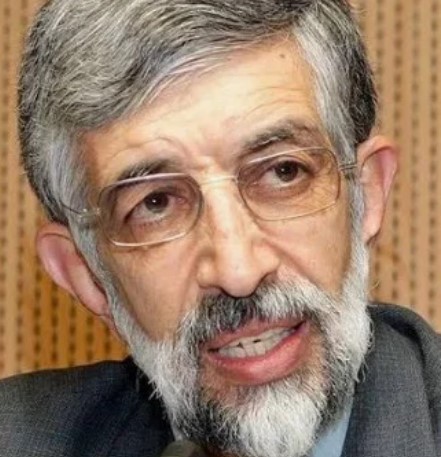
Zahra Adel was born in 1979 in Iran. She belonged to a family that valued education, culture, and politics. Her father, Gholam Ali Haddad-Adel, served as Speaker of Iran’s Parliament from 2004 to 2008 and was a close ally of Ayatollah Ali Khamenei. Her mother, Tayyebeh Mahrouzadeh, was known for her role in maintaining family traditions. Zahra grew up alongside her siblings Faridodin, Bentolhoda, and Azadeh Haddad-Adel, all of whom were part of Iran’s intellectual and political circles.
Her upbringing was shaped by conservative values and strong ties to Iran’s ruling elite. This background gave her a unique position in society, even though she lived a largely private life. Zahra’s family connections placed her at the intersection of politics, religion, and culture, making her marriage later in life even more significant.
Marriage and Husband
In 1999, Zahra married Mojtaba Khamenei, the second son of Ayatollah Ali Khamenei. Their marriage was seen as more than a personal union—it was a strategic alliance between Iran’s supreme leader’s office and conservative political factions. Mojtaba, born in 1966, was already a rising cleric with strong ties to Iran’s Revolutionary Guards.
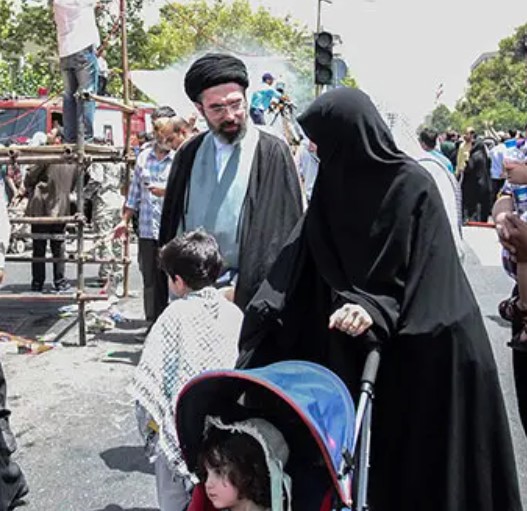
Their marriage lasted for more than two decades until Zahra’s death in 2026. Mojtaba Khamenei was appointed as Iran’s Supreme Leader on 9 March 2026, just days after the airstrike that killed both his father and his wife. Zahra’s role as his partner was crucial in shaping his family life and public image.
Children and Family Life
Zahra and Mojtaba Khamenei had three children: Mohamed Amin (son), Mohamed Bagher (son), and Fatemeh Sadaat (daughter). Her children were raised in a household that blended religious traditions with political influence.
Zahra was known to be a devoted mother, focusing on family values and maintaining a private life away from the spotlight. Despite her quiet presence, her children’s future roles are expected to carry forward the family’s influence in Iran.
See Also:- Menaka Guruswamy
Role in Society
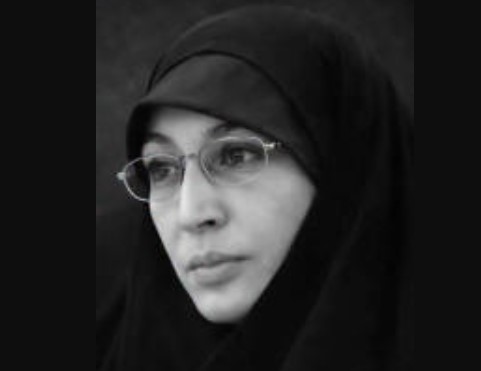
Although Zahra Haddad Adel was not a public political figure herself, her role in society was shaped by her family connections. She was known as a homemaker, but her influence came through her presence in one of Iran’s most powerful families. Her father was a respected politician, and her husband Mojtaba Khamenei was a cleric who later became Supreme Leader.
Zahra was often described as quiet and dignified. She did not seek the spotlight, yet her position gave her a symbolic role. In Iran, women connected to political and clerical families often carry cultural importance. Zahra represented traditional values, family loyalty, and respect for religious customs. Her life showed how women in conservative societies can hold influence without being directly involved in politics.
Connection to Iranian Politics and Academia
Zahra’s family was deeply tied to Iran’s political and academic circles. Her father, Gholam Ali Haddad-Adel, was not only a politician but also a philosopher and academic. He worked to promote Persian culture and Islamic values. Zahra grew up in this environment, where education and politics were closely linked.
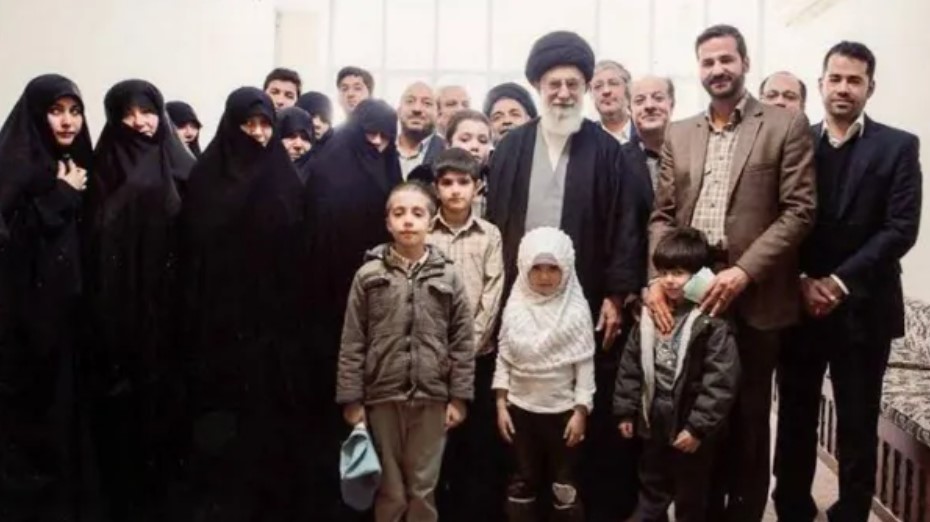
Her marriage to Mojtaba Khamenei connected her to Iran’s clerical leadership. Mojtaba was known for his strong ties to the Revolutionary Guards and his influence in religious schools. Together, Zahra and Mojtaba represented the union of political and religious power. While Zahra did not hold office, her presence in this family made her part of Iran’s ruling elite.
Death and Circumstances
On 28 February 2026, Zahra Haddad Adel was killed in Tehran during a joint US-Israel airstrike. The attack targeted Ayatollah Ali Khamenei, Iran’s Supreme Leader, and Zahra was killed alongside him. Zahra was only 47 years old at the time of her death.
Her passing was sudden and tragic. For her family, it was a double loss—the death of the Supreme Leader and the death of Zahra, wife of his son Mojtaba. This event changed Iran’s leadership structure, as Mojtaba was appointed Supreme Leader just days later. Zahra’s death became part of a larger story of political transition in Iran.
Public Reaction and Media Coverage
The news of Zahra’s death spread quickly across Iran and the world. Iranian media reported the attack with shock, highlighting the loss of both Ayatollah Khamenei and Zahra. For many Iranians, her death was not only a family tragedy but also a national event.
Tributes poured in from political and religious communities. Supporters described her as a devoted wife and mother. International media focused on the political impact of the attack, but inside Iran, Zahra was remembered for her quiet strength and family values. Her passing left a deep emotional mark on those who knew her story.
Interesting Facts About Zahra Haddad Adel
- Zahra’s marriage in 1999 was seen as a strategic alliance between Iran’s supreme leader’s family and conservative politicians.
- She lived a private life, rarely appearing in public, yet her presence was influential.
- Her family was deeply embedded in Iran’s cultural, political, and academic circles.
- She was known for her quiet personality and devotion to her children.
- Her death in 2026 marked one of the most significant losses in Iran’s recent history.
Read Also:- Kate Hawley