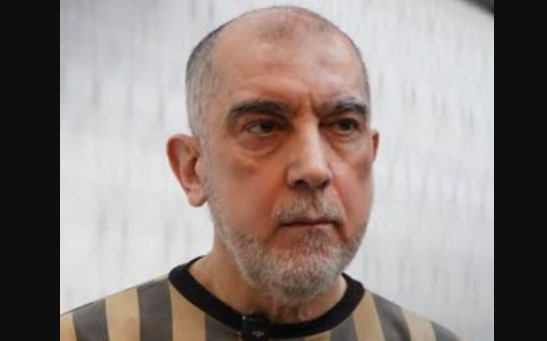
Atef Najib is a name that continues to stir strong emotions in Syria and beyond. Known as a former security official and cousin of Syrian President Bashar al-Assad, Najib’s actions in the southern city of Daraa in 2011 played a direct role in sparking the Syrian civil war. His career in intelligence was marked by arrogance, corruption, and brutality, and his downfall became symbolic of the collapse of Assad’s regime years later.
In August 2026, Najib was sentenced to death by a Syrian court for murder, torture, and crimes against humanity. This verdict was historic, as it marked one of the first times a powerful Assad-era figure faced justice inside Syria. To understand how Atef rose to power and why his name became infamous, it is important to look at his family background, career, and the events that led to his trial.
Atef Najib Age, Family, BIO, Career, Wife
| Attribute | Details |
|---|---|
| Full Name | Atef Najib |
| Birth Year | 1960 |
| Birthplace | Jableh, Syria |
| Nationality | Syrian |
| Profession | Former Security Official |
| Known For | Role in Daraa crackdown (2011) that sparked Syrian Civil War |
| Family Background | Father: Najib Alaa (Sunni, gas seller); Mother: Fatima Makhlouf (Alawite, sister of Anisa Makhlouf, wife of Hafez al-Assad) |
| Siblings | Ammar Najib, Reem Najib, Norma Najib |
| Cousin | Bashar al-Assad (President of Syria) |
| Education | Graduate of Syrian Military Academy |
| Career Highlights | Deputy Head of Political Security Directorate in Damascus; Head of Political Security in Daraa (2008) |
| Sanctions | Sanctioned by United States (April 2011), later by EU, Canada, Japan, Australia |
| Arrest | Captured in Latakia countryside, January 2025, after Assad regime collapse |
| Trial | Began in Damascus on 26 April 2026; faced 10 cases and 75 complaints |
| Verdict | Found guilty of murder and torture; sentenced to death on 11 August 2026 |
| Wikipedia | @Atef_Najib |
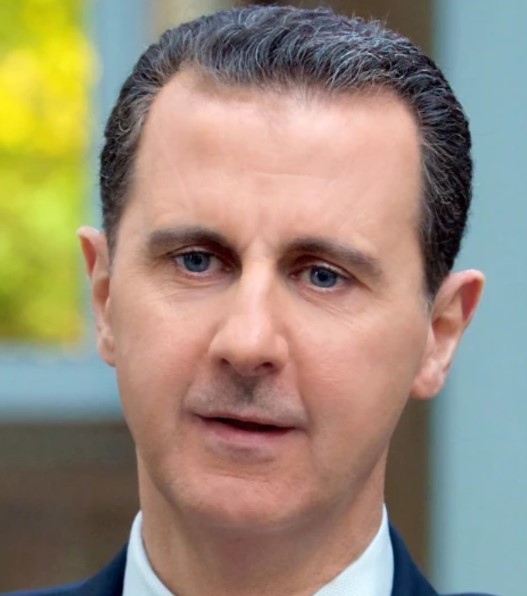
Early Life and Family Background
Najib was born in 1960 in Jableh, Syria, a coastal town known for its strong ties to the Assad family. His father, Najib Alaa, was a Sunni Muslim who worked as a gas seller. His mother, Fatima Makhlouf, belonged to the influential Alawite Makhlouf family. She was the sister of Anisa Makhlouf, the wife of former Syrian President Hafez al-Assad. This maternal connection made Atef Najib a cousin of Bashar al-Assad, giving him access to power and privilege from an early age.
Although Najib was raised in a household that was split between Sunni and Alawite communities, he had direct access to Syria’s ruling class thru his mother’s side. He had three siblings: Ammar Najib, Reem Najib, and Norma Najib. His family’s fortunes rose and fell depending on their relationship with the Assad regime. At one point, his father was jailed briefly for corruption under Hafez al-Assad, but the Makhlouf connection ensured that the family remained close to power.
Education and Military Training
Najib’s path to power began with his education at the Syrian Military Academy, where he trained as an officer. Like many members of the Assad family and their relatives, military service was not just a career choice but a gateway into the intelligence and security apparatus that controlled Syria. His training gave him the discipline and authority needed to rise quickly within the system, but his personality often clashed with others.
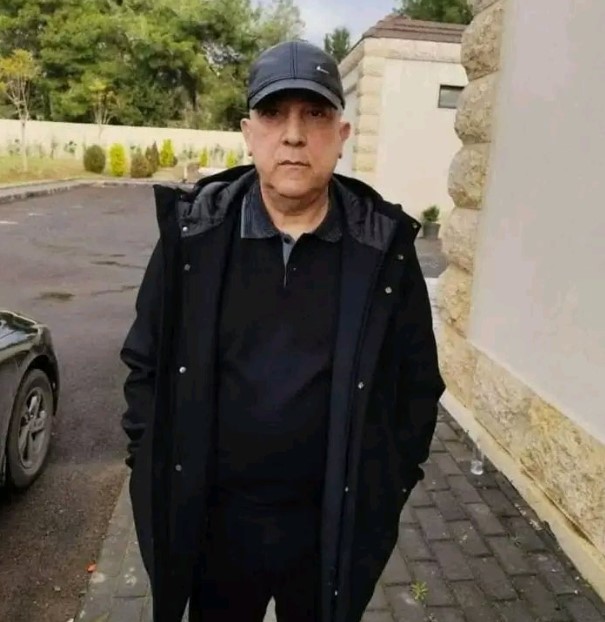
In the early years of his career, Najib was known for arrogance and misconduct. In 1992, he was dismissed from his post due to repeated complaints about his behavior. By 1998, after pressure from the Makhlouf family, he was reinstated into the intelligence services. This return marked the beginning of his climb into positions of influence, showing how family connections often outweighed merit in Syria’s political system.
Rise in Syrian Intelligence
After his reinstatement, Najib was appointed as Deputy Head of the Political Security Directorate in Damascus, one of the most powerful branches of Syrian intelligence. As a result of his position, he was able to obtain private information and utilize extortion and intimidation to amass fortune.
Najib’s haughtiness created issues once more despite his increasing power. He clashed with senior officials and lost favor in Damascus. As a result, he was transferred to postings in Tartus and later Daraa. While Damascus was the center of power, Daraa was a strategic city in southern Syria, and Najib’s appointment there would later prove to be one of the most consequential decisions in Syrian history.
Role in Daraa and the 2011 Crackdown
In 2008, Atef became the Head of Political Security in Daraa. He quickly established a strong surveillance network, controlling trade, water systems, and the local economy. His reputation for arrogance only grew stronger, and he was quoted as saying, “In Daraa, I am God.” This statement reflected the unchecked power he held over the city and its people.
The turning point came in March 2011, when 15 boys were arrested for writing anti-government graffiti inspired by the Arab Spring. Najib ordered their detention and torture, and when families pleaded for their release, he insulted them with degrading remarks. By April 2011, Najib was removed from his position, but the damage had already been done.
See Also:- Abhishek Jain (Director)
International Sanctions and Fallout
The events in Daraa in 2011 did not go unnoticed by the world. Atef Najib’s role in ordering the arrest and torture of children, and his harsh crackdown on peaceful protests, drew international condemnation. In April 2011, the United States placed sanctions on him, freezing assets and banning travel. Soon after, the European Union, Canada, Japan, and Australia followed with similar measures.
Despite these restrictions, Najib continued to operate within Syria’s intelligence network. His family ties shielded him from serious punishment at home. He was briefly arrested but released soon after, showing how deeply the Assad regime protected its own. For many Syrians, this was another example of how powerful figures escaped accountability while ordinary citizens suffered.
Post-Assad Era and Arrest
The tide turned years later. In December 2024, the Assad government finally collapsed after years of war and international pressure. This marked a new chapter in Syrian history, and many officials who had long been untouchable suddenly found themselves vulnerable. Atef was among them.
In January 2025, Najib was arrested in the countryside of Latakia while attempting to flee. His capture was seen as a major victory for those who had suffered under his rule. Families of victims in Daraa and other regions demanded justice, and his trial became one of the most closely watched events in Syria.
Trial and Death Sentence
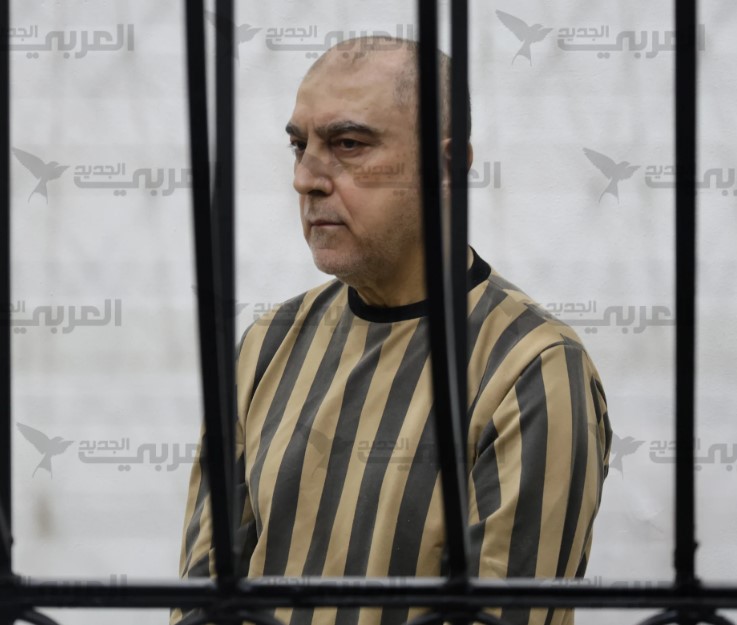
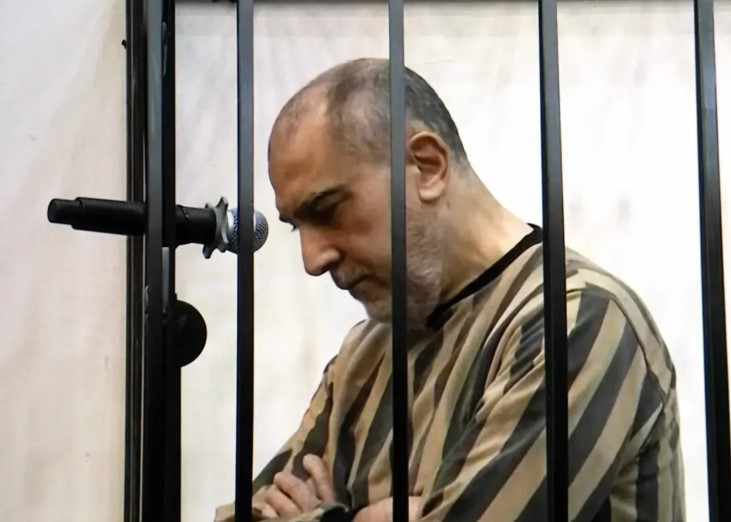
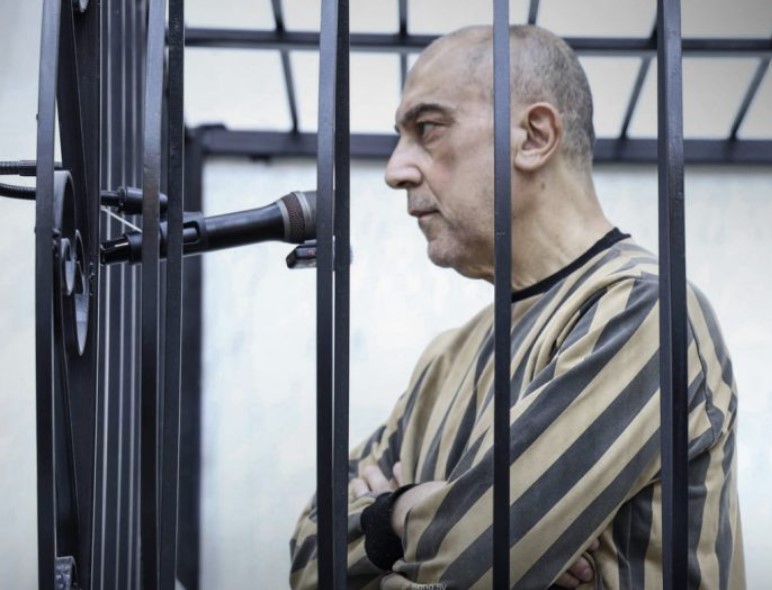
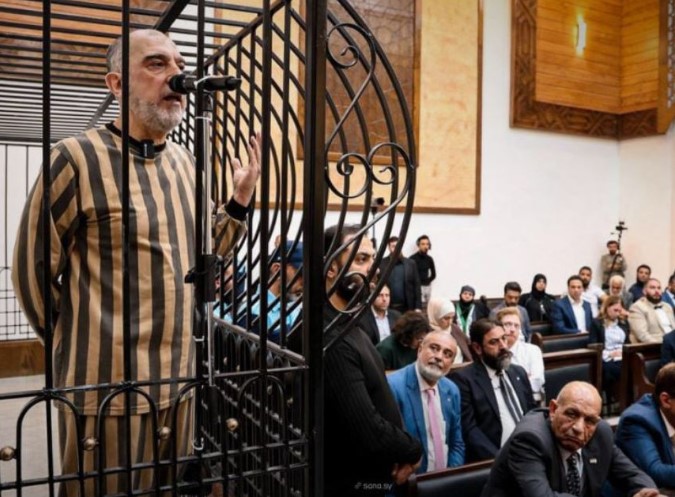
Najib’s trial began in Damascus on 26 April 2026 under strict security. He faced charges in 10 separate cases, including murder, torture, and massacres. More than 75 complaints were filed against him, many from families who had lost loved ones during the Daraa crackdown and other operations.
On 11 August 2026, the court delivered its verdict. Atef was found guilty of premeditated murder and torture and sentenced to death. This ruling was historic. While other Assad family members had been sentenced in absentia, Najib’s trial was conducted inside Syria, with him present in court.
Controversies and Legacy
Najib’s name is tied to some of the darkest chapters in Syria’s modern history. His arrogance and abuse of power in Daraa became the spark that ignited the Syrian civil war. By ordering the arrest and torture of children, and insulting their families, he turned a local protest into a nationwide uprising.
His legacy is one of brutality and greed. He was known for extorting businessmen, controlling trade and water systems, and using fear to maintain authority. His infamous statement, “In Daraa, I am God,” summed up his attitude toward the people he ruled. Even after his removal from office, his actions continued to haunt Syria, as the war dragged on for years and claimed hundreds of thousands of lives.
Interesting Facts About Atef Najib
- Atef Najib was born in 1960 in Jableh, Syria, and was a cousin of Bashar al-Assad through his mother’s side.
- His father, Najib Alaa, was once jailed for corruption under Hafez al-Assad, showing that even family ties could not always protect them.
- Najib graduated from the Syrian Military Academy and entered intelligence services, but was dismissed in 1992 for arrogance before being reinstated in 1998.
- He became Head of Political Security in Daraa in 2008 and built a strong surveillance and extortion network.
- After the fall of Assad’s government in 2024, Najib was arrested in Latakia in January 2025.
- His trial began in April 2026, with 75 complaints filed against him.
- On 11 August 2026, he was sentenced to death for murder and torture.
Read Also:- Bashar al-Assad