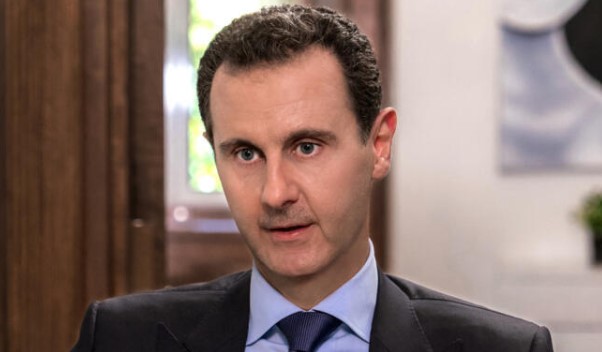
Bashar al-Assad has been one of the most talked-about leaders in the Middle East for more than two decades. Born on 11 September 1965 in Damascus, Syria, he rose to power after the death of his father, Hafez al-Assad, in 2000. His journey from being a quiet medical student to becoming the president of Syria is filled with dramatic turns, controversies, and global attention.
From promises of reform in the early 2000s to the devastating civil war that began in 2011, his leadership has been marked by both ambition and conflict. In August 2026, he made headlines again when a Damascus court sentenced him to death in absentia, a historic moment that highlighted the end of his decades-long dominance.
Bashar al-Assad Age, Wife, Career, Family, BIO
| Attribute | Details |
|---|---|
| Full Name | Bashar Hafez al-Assad |
| Date of Birth | 11 September 1965 |
| Age (as of July 2026) | 60 years old |
| Place of Birth | Damascus, Syria |
| Nationality | Syrian |
| Father | Hafez al-Assad (President of Syria, 1971–2000) |
| Mother | Anisa Makhlouf (First Lady of Syria, 1971–2000) |
| Siblings | Bassel (deceased), Maher, Majd (deceased), Bushra |
| Education | Medicine (Ophthalmology), Damascus University; Western Eye Hospital, London |
| Profession (before politics) | Ophthalmologist |
| Political Party | Arab Socialist Ba’ath Party |
| Positions Held | President of Syria (2000–2024); General Secretary of Ba’ath Party (2000–2024) |
| Spouse | Asma Akhras (married 13 December 2000) |
| Children | Hafez al-Assad, Zein al-Assad, Karim al-Assad |
| Awards (later revoked) | Legion of Honour (France, 2001); Order of Zayed (UAE, 2008); Order of King Abdulaziz (Saudi Arabia, 2009) |
| Major Events | Rise to power after father’s death (2000); Syrian Civil War (2011–2024); Fall of Damascus (Dec 2024) |
| Exile | Fled to Moscow, Russia in December 2024; granted asylum |
| Historic Trial | On 11 August 2026, sentenced to death in absentia by Damascus court for war crimes, torture, and crimes against humanity |
| Wikipedia | @Bashar_al-Assad |
Early Life and Family Background
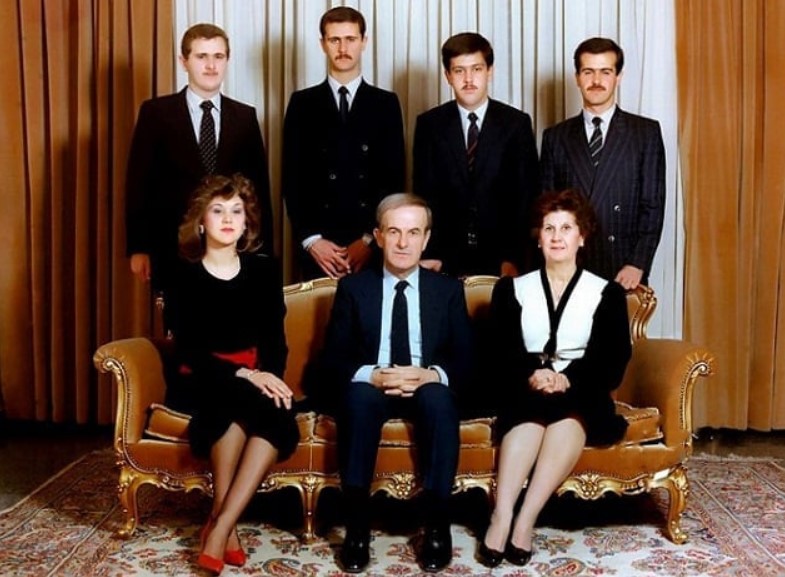
Bashar was born in Damascus, Syria, into one of the most powerful families in the country. From 1971 until his passing in 2000, his father, Hafez al-Assad, governed Syria. His mother, Anisa Makhlouf, was known for her strong influence within the family. Bashar grew up with four siblings: Bassel, Maher, Majd, and Bushra.
The turning point in Bashar’s life came in 1994, when his elder brother Bassel died in a car accident. Bassel’s sudden death shocked the nation and changed Bashar’s destiny. The family called him back to Syria and began preparing him for leadership.
Education and Medical Career
Unlike many political heirs, Bashar did not start his career in government. In 1988, he received his medical degree from Damascus University. He chose to specialize in ophthalmology, a branch of medicine dealing with eye care. His desire for a straightforward life free from politics was evident in his interest in science and medicine.
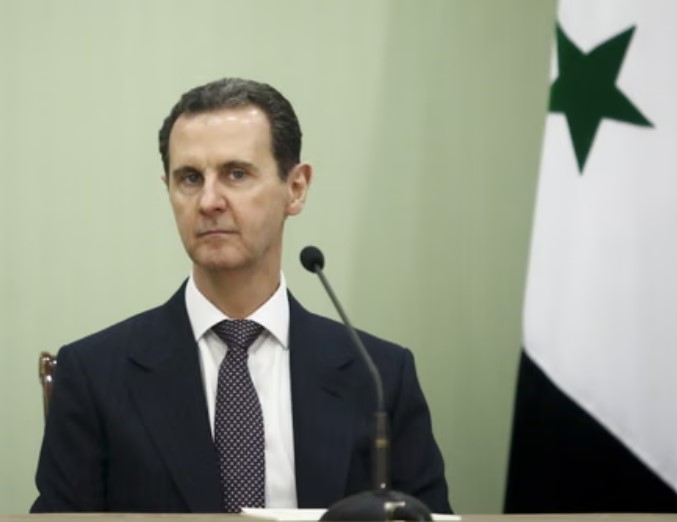
In 1992, Bashar moved to London to continue his training at the Western Eye Hospital. He lived a quiet life there, far from the political drama of Syria. Friends and colleagues described him as polite, reserved, and focused on his studies. At that time, nobody imagined that this young doctor would one day lead Syria.
Rise to Power
When Bashar al-Assad’s father, Hafez al-Assad, passed away in June 2000, Syria faced a moment of uncertainty. The country had been under Hafez’s rule for nearly 30 years, and many wondered who would take his place. Bashar, who had been quietly preparing for leadership since his brother Bassel’s death, suddenly became the chosen successor.
To make this possible, Syria’s parliament quickly changed the constitution, lowering the minimum age for a president from 40 to 34. This allowed Bashar, who was only 34 at the time, to legally take office. He took the oath of office as Syria’s president on July 17, 2000. His early speeches promised reform, modernization, and openness.

Personal Life
Bashar married Asma Akhras on 13 December 2000, just months after becoming president. She studied computer science and French literature at King’s College London and later worked as an investment banker.
The couple has three children: Hafez al-Assad, Karim al-Assad, and Zein al-Assad. Asma has often been seen as a strong influence in Bashar’s life. She has played an active role in social and economic projects in Syria, though critics say she has also benefited from the country’s wealth and power structure.
See Also:- Mohsen Rezaee
Political Career and Governance
Bashar’s early years in power were marked by cautious reforms. He allowed internet access, encouraged private businesses, and spoke about fighting corruption. However, these changes were limited, and many of his promises did not reach ordinary Syrians. Instead, power remained concentrated among a small group of elites, including his family and close allies.
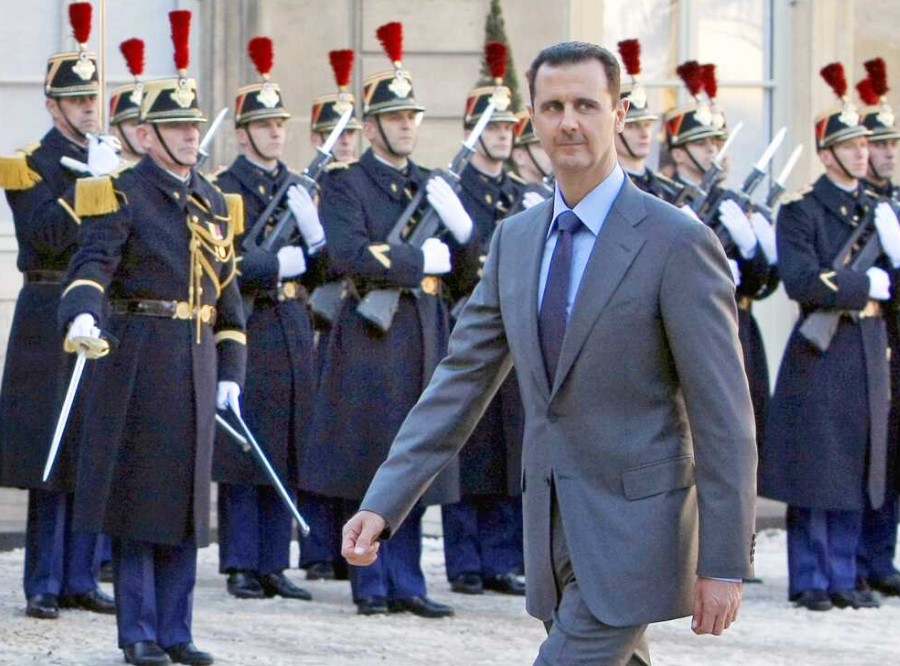
In 2005, Syria faced international pressure after the assassination of Lebanese Prime Minister Rafik Hariri. Syrian forces, which had been stationed in Lebanon for decades, were forced to withdraw. By the late 2000s, Bashar’s government was accused of increasing corruption and nepotism.
Syrian Civil War and International Relations
When demonstrations broke out throughout Syria during the Arab Spring in 2011, Bashar al-Assad’s leadership entered its most pivotal phase. What started as peaceful demonstrations calling for reforms quickly escalated into a full-scale civil war.
Assad’s government was accused of using brutal force against protesters, including live ammunition, mass arrests, and torture. Over time, the conflict drew in multiple groups — rebel factions, Islamist militants, Kurdish forces, and foreign powers like Russia, Iran, and the United States. The war devastated Syria, leaving cities destroyed and millions displaced.
Awards and Revocations
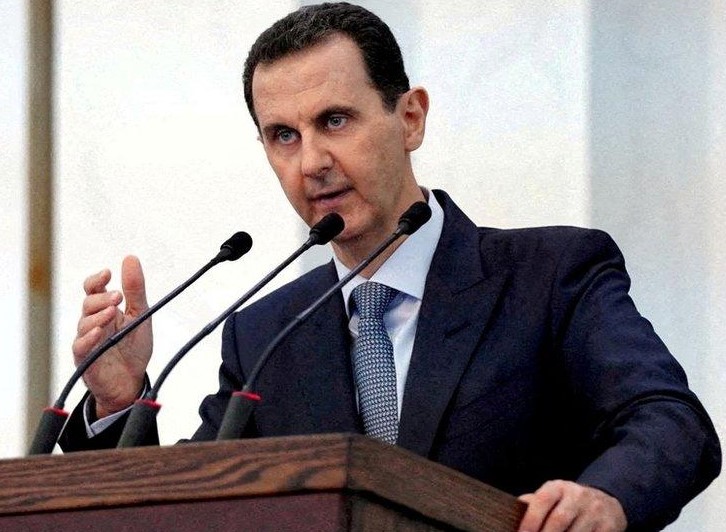
In the early years of his presidency, Assad was welcomed by many countries and even received prestigious awards. He was honored with the Legion of Honour by France in 2001, the Order of Zayed by the UAE in 2008, and the Order of King Abdulaziz by Saudi Arabia in 2009. These awards reflected his image as a young, modern leader who could bring change to Syria.
However, as the civil war unfolded and reports of atrocities mounted, many of these honors were revoked. France stripped him of the Legion of Honour, and other countries distanced themselves from his regime. The revocations symbolized Assad’s fall from international grace, showing how quickly global perception shifted against him.
Economic Policies and Controversies
In the early 2000s, Assad introduced limited economic reforms aimed at modernizing Syria. He encouraged private businesses, opened up markets, and allowed some foreign investment. For a brief period, these changes gave hope that Syria could move toward a more open economy.
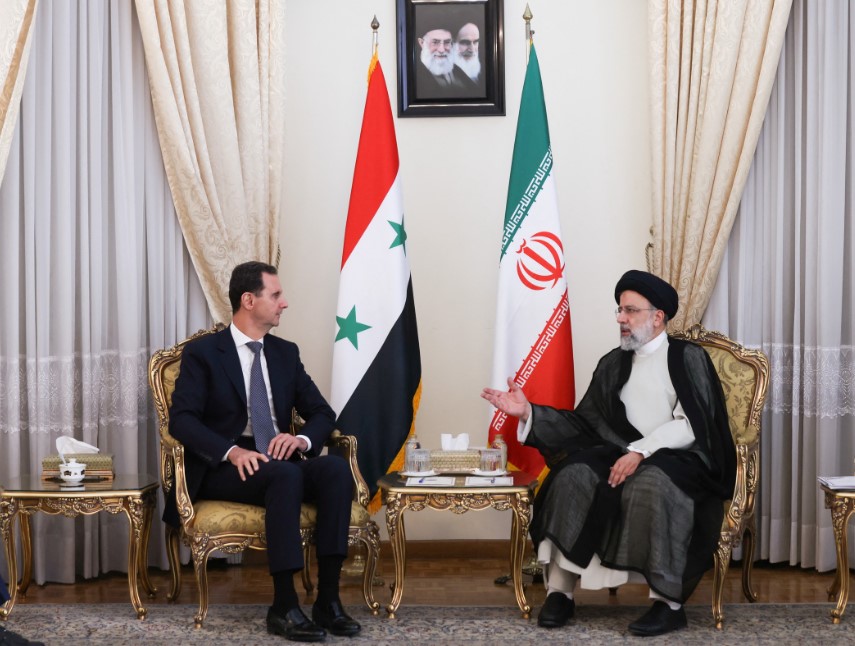
But corruption and nepotism soon overshadowed these efforts. Assad’s cousin, Rami Makhlouf, became one of the wealthiest men in Syria, controlling major industries. As the civil war dragged on, Syria’s economy collapsed.
Historic Trial and Death Sentence (2026)
Bashar Assad’s name once again made headlines around the world on August 11, 2026. A Damascus court sentenced him to death in absentia, convicting him of war crimes, torture, and crimes against humanity. The trial was historic because it marked the first time Assad was formally held accountable for the violence that unfolded during his rule.
His younger brother Maher al-Assad and cousin Atef Najib were also convicted, with Najib appearing in person during the hearings. Witnesses testified that Bashar was the “highest decision-maker” behind the brutal crackdowns that began in 2011. He had fled to Moscow in December 2024, where Russia granted him asylum.
Read Also:- Abhishek Jain (Director)