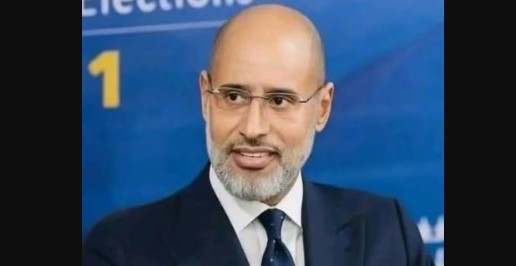
Saif al-Islam Gaddafi’s life was one of contrasts. Born into power as the son of Muammar Gaddafi, he grew up in a world where politics, military strength, and family loyalty shaped every decision. For many Libyans, he was seen as the heir to his father’s rule, a man who could carry forward the Gaddafi legacy. Yet, for others, he was a divisive figure—someone who spoke of reform and modernization but remained tied to the authoritarian system that his father built.
On 3 February 2026, Saif al-Islam was assassinated in Zintan, Libya, by four masked gunmen. His death shocked the nation and reignited debates about his role in Libya’s troubled history. At the time of his death, he was 53 years old. His story is not just about politics but also about family, education, personal struggles, and the contradictions of a man caught between tradition and change.
Saif al-Islam Gaddafi Death, Age, Girlfriend, Family, Biography
| Attribute | Details |
|---|---|
| Full Name | Saif al-Islam Muammar Gaddafi |
| Date of Birth | 25 June 1972 |
| Place of Birth | Tripoli, Libya |
| Age at Death | 53 years |
| Date of Death | 3 February 2026 |
| Place of Death | Zintan, Libya |
| Cause of Death | Assassination (gunshot) |
| Nationality | Libyan |
| Occupations | Engineer, Diplomat, Painter, Philanthropist, Soldier |
| Education | University of Tripoli – B.Sc. Engineering Science (1994) Imadec Executive Education, Vienna – MBA London School of Economics – PhD in Philosophy (2008) |
| Known For | Son of Muammar Gaddafi, Political Role in Libya, ICC Charges |
| Father | Muammar Gaddafi |
| Mother | Safia Farkash |
| Siblings | Al-Saadi, Mutassim, Hannibal, Saif al-Arab, Khamis, Ayesha |
| Half-Brother | Muhammad Gaddafi |
| Relationship | Orly Weinerman (2005–2011) |
| Marital Status | Unmarried |
| Languages | Arabic, English |
| Interests | Painting, Humanitarian Projects, Cultural Initiatives |
| Wikipedia | @Saif_al-Islam_Gaddafi |
Early Life and Childhood
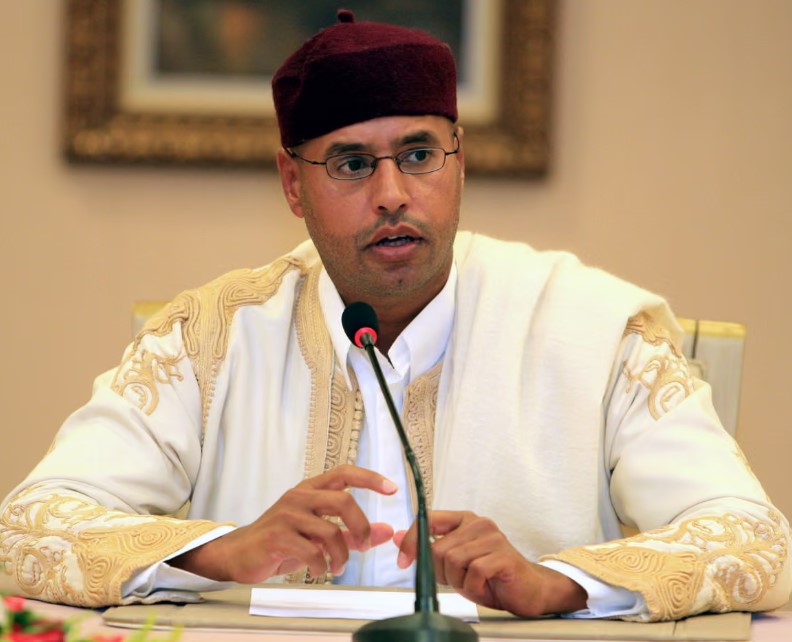
Let me tell you that Saif al-Islam Gaddafi was born on 25 June 1972 in Tripoli, Libya. Growing up in the household of Muammar Gaddafi meant that his childhood was far from ordinary. His father ruled Libya for more than four decades, and Saif was raised in an environment where power and politics were part of daily life.
Unlike many children in Libya, Saif had access to privileges that came with being the son of the country’s leader. He was exposed to international visitors, political discussions, and the inner workings of the Libyan state from a young age. These experiences shaped his worldview and gave him a sense of responsibility that would later influence his career.
Family Background
Saif al-Islam belonged to one of Libya’s most powerful families. His father, Muammar Gaddafi, ruled Libya for more than 40 years until his death in 2011. His mother, Safia Farkash, was known for her influence within the family.
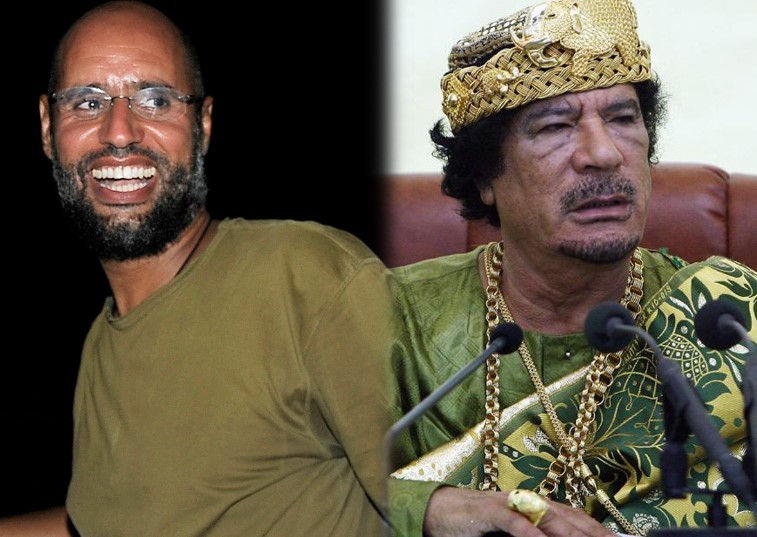
He had several siblings: Al-Saadi, Mutassim, Hannibal, Saif al-Arab, Khamis, and Ayesha. He also had a half-brother, Muhammad Gaddafi. Each sibling played different roles in Libya’s political and military affairs, making the Gaddafi family central to the country’s history.
Education and Academic Achievements
Education was a key part of Saif al-Islam’s journey. He studied Engineering Science at the University of Tripoli, graduating in 1994. His interest in technical subjects reflected his desire to understand modern systems and contribute to Libya’s development.
Later, he pursued higher studies abroad. He earned an MBA from Imadec Executive Education in Vienna and went on to complete a PhD in Philosophy from the London School of Economics in 2008. His academic work was often discussed in international circles, though it also faced criticism, with questions raised about the originality of his thesis.
See Also:- Sarang Thiagu
Professional Journey and Multiple Roles
Saif al-Islam was not just a politician. He wore many hats during his lifetime. He worked as an engineer, diplomat, painter, philanthropist, and soldier. His paintings were displayed in exhibitions, showing a softer, artistic side of his personality.
He also engaged in humanitarian projects, trying to present Libya as a country that cared about culture and development. At the same time, he was deeply involved in politics, often seen as the modern face of the Gaddafi family. His ability to move between different roles made him a unique figure in Libyan society.
Political Career and Public Image
For many years, Saif al-Islam was considered the heir-apparent to Muammar Gaddafi. He played a visible role in Libyan politics, especially during the later years of his father’s rule. Internationally, he was seen as someone who could bring reform, as he spoke about modernization, democracy, and human rights.
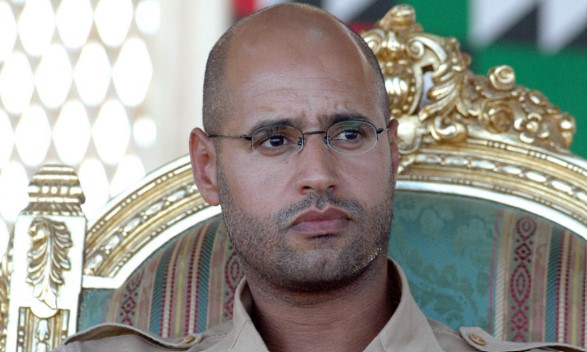
However, his image was complicated. While he talked about change, he remained loyal to his father’s regime, which was accused of suppressing opposition and violating human rights. During the 2011 Libyan Civil War, he defended his father’s government, which led to charges against him by the International Criminal Court (ICC) for crimes against humanity. This dual image—reformer and loyalist—defined his political career.
Personal Life and Relationships
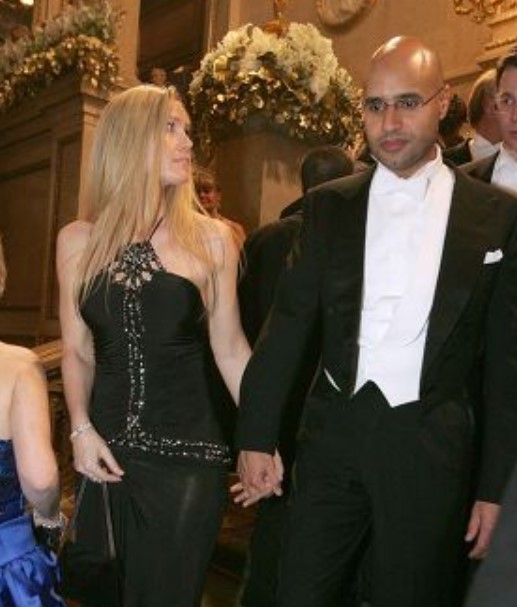
Saif al-Islam never married. His personal life was often kept private, but he was known to have been in a relationship with Orly Weinerman, an Israeli actress, between 2005 and 2011. Their relationship attracted media attention, especially because of the political sensitivities involved.
Despite his high-profile family background, Saif preferred to keep his personal affairs away from the spotlight. He lived a life where politics overshadowed personal happiness, and his bachelor status was often noted in media reports.
Death and Circumstances
On 3 February 2026, Saif al-Islam was assassinated in Zintan, Libya. Reports confirmed that four masked gunmen attacked him, leading to his death. Saif al-Islam was 53 years old at the time. His assassination was part of ongoing instability in Libya, where political violence remains common.
His turbulent life came to an end with his death. For some, it was the fall of a divisive figure; for others, it was the loss of a man who could have shaped Libya’s future. The incident highlighted the fragile state of Libyan politics even years after the fall of Muammar Gaddafi.
Controversies and Challenges
Saif al-Islam’s life was marked by controversies that followed him both inside Libya and abroad. During the 2011 Libyan Civil War, he became one of the most visible defenders of his father’s regime. While many expected him to take a reformist path, he instead stood firmly by Muammar Gaddafi, appearing on television to rally support and criticize opposition forces.
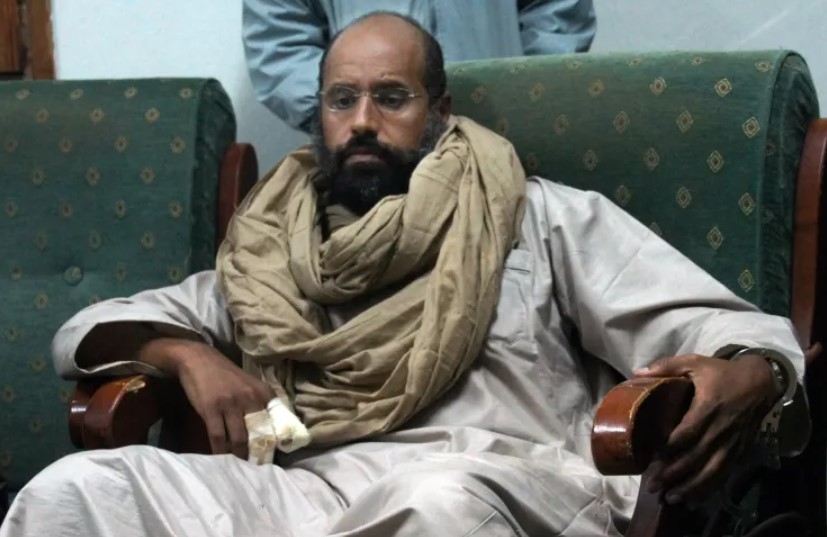
His actions during that period led to serious consequences. He was charged with crimes against humanity by the International Criminal Court (ICC), which issued an arrest warrant against him. He was later captured by rebel forces in Zintan in 2011 and remained in detention for several years. Although he was released in 2017, the charges against him continued to cast a shadow over his political ambitions.
Read Also:- A. R. Ameen