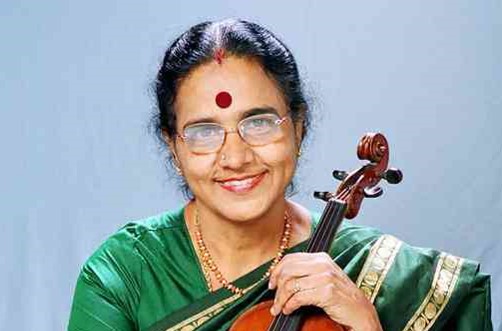
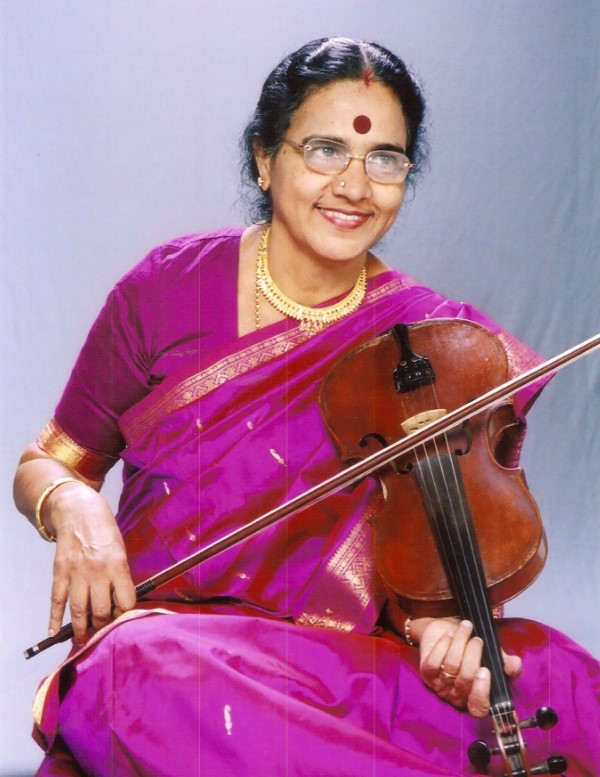
Dr. N. Rajam is one of the most respected violinists in India. Born in 1938, she has spent more than seven decades shaping the sound of Indian classical music. At 88 years old, she continues to inspire audiences with her unique style and dedication. Her contribution is not just about playing the violin; she created a way of playing that makes the instrument sing like the human voice. This style is called Gayaki Ang, and it has become her signature.
Over the years, Rajam has received many awards, including the Padma Shri, Padma Bhushan, and most recently the Padma Vibhushan in 2026.Her journey is not only about personal success but also about passing on knowledge to students and keeping traditions alive. She is a true example of how art can shape culture and inspire generations.
N. Rajam Age, Husband, Career, Family, BIO
| Attribute | Details |
|---|---|
| Full Name | Dr. N. Rajam |
| Profession | Violinist, Musician, Educator |
| Known For | Gayaki Ang style of violin playing (violin mimicking human voice) |
| Date of Birth | 1938 |
| Age (as of July 2026) | 88 years |
| Birthplace | Chennai, Tamil Nadu, India |
| Nationality | Indian |
| Father | Vidwan A. Narayana Iyer (Carnatic musician) |
| Brother | T.N. Krishnan (renowned violinist) |
| Husband | T.S. Subramanian (Chartered Accountant) |
| Children | Dr. Sangeeta Shankar (violinist) |
| Grandchildren | Ragini Shankar (violinist), Nandini Shankar (violinist) |
| Training | Carnatic music under father; Hindustani music under Pandit Omkarnath Thakur |
| Academic Career | Professor & Dean, Faculty of Performing Arts, Banaras Hindu University (BHU); Emeritus Professor |
| Major Awards | Padma Shri (1984), Sangeet Natak Akademi Award (1990), Padma Bhushan (2004), Sangeet Natak Akademi Fellowship (2012), Pt. Bhimsen Joshi Lifetime Achievement Award (2018), Padma Vibhushan (2026) |
| Notable Collaborations | Ustad Bismillah Khan, Pandit Ram Narayan, Pandit Hariprasad Chaurasia, N. Ramani |
| International Tours | USA, Canada, France, Italy, Germany, Switzerland, Australia, New Zealand |
| Contribution | Elevated violin as a solo instrument in Hindustani classical music; pioneered Gayaki Ang style |
| Wikipedia | @N._Rajam |
| @dr.nrajam/ |
Early Life and Family Background
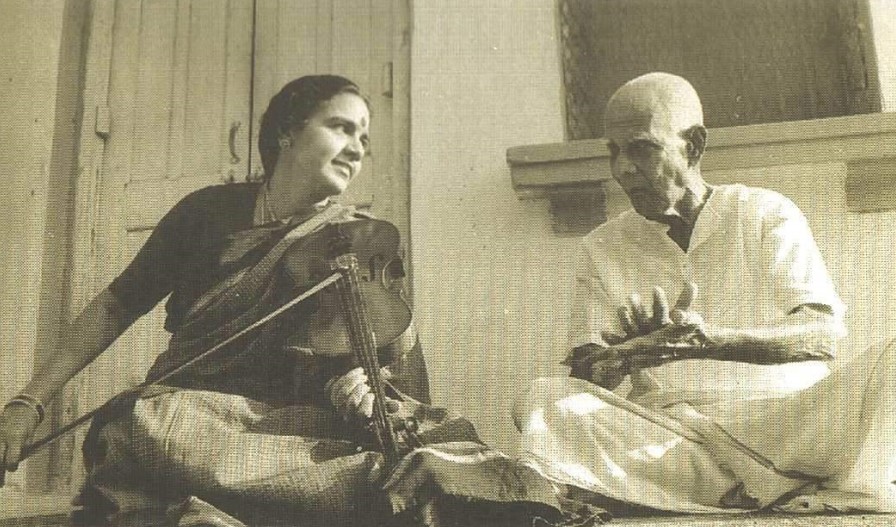
Rajam was born in Chennai, Tamil Nadu, in 1938. She grew up in a family where music was part of daily life. Her father, Vidwan A. Narayana Iyer, was a Carnatic musician who believed strongly in discipline and practice. Her brother, T.N. Krishnan, also became a famous violinist.
She started learning Carnatic music when she was just three years old. Her father guided her through the basics and gave her a strong foundation. By the time she was a teenager, she was already performing at concerts. At the age of 13, she had the chance to accompany the legendary singer M.S. Subbulakshmi in a concert.
Musical Training and Influences
Rajam’s training was very strict and detailed. Her father made sure she practiced for long hours every day. She also learned from Musiri Subramania Iyer, a respected Carnatic vocalist. These early lessons gave her a deep understanding of ragas and the emotional power of music.
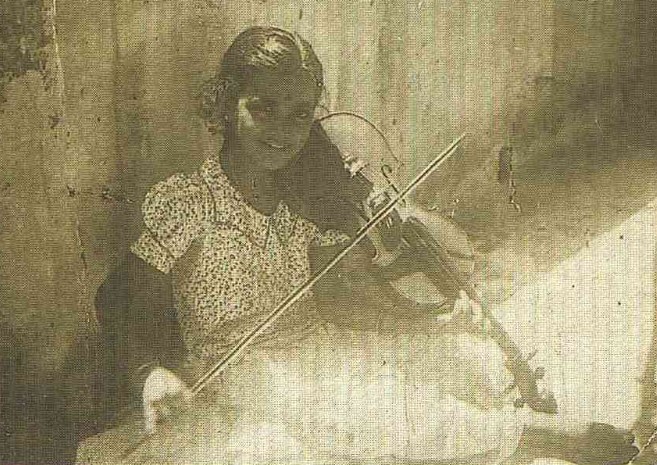
Later, she was drawn to Hindustani classical music. This was unusual because most South Indian musicians stayed within Carnatic traditions. But Rajam wanted to explore new sounds and styles. She trained under Pandit Omkarnath Thakur, who taught her the finer points of Hindustani music. One of Rajam’s greatest contributions to music is the Gayaki Ang style.
Academic Journey and Career at BHU
After her early success as a performer, N. Rajam decided to strengthen her academic knowledge. She joined Banaras Hindu University (BHU), one of India’s most respected institutions for arts and culture. At BHU, she completed her Master’s degree in Sanskrit and later earned a Ph.D. in Music.
Her career at BHU lasted for more than four decades. She taught hundreds of students and guided many research projects. Over time, she became the Dean of the Faculty of Performing Arts. Even after retirement, she was honored as an Emeritus Professor, showing how much the university valued her contribution.
See Also:- Amit Bhatia
Transition to Hindustani Classical Music
Although Rajam was trained in Carnatic music, she felt drawn to Hindustani classical traditions. This was a bold move because most South Indian musicians stayed within Carnatic boundaries. She studied under Pandit Omkarnath Thakur, a legendary Hindustani vocalist, who helped her understand the depth of ragas and the emotional flow of khayal singing.
As a South Indian woman entering a male-dominated Hindustani field, she faced challenges and doubts. But Rajam’s dedication and talent helped her overcome these barriers. She mastered the art of raga development and thumri style, blending her Carnatic discipline with Hindustani creativity.
Awards and Recognitions
Over the years, Rajam has received some of the highest honors in India. In 1984, she was awarded the Padma Shri, which recognized her early contributions. In 1990, she received the Sangeet Natak Akademi Award, one of the most respected honors in the performing arts.
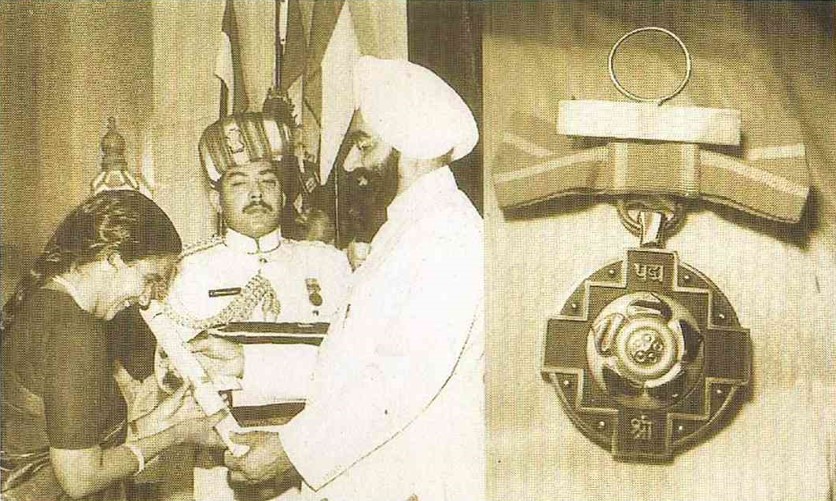
Her journey continued with the Padma Bhushan in 2004, followed by the Sangeet Natak Akademi Fellowship in 2012. In 2018, she was given the Pt. Bhimsen Joshi Lifetime Achievement Award, celebrating her long service to music. Finally, in 2026, she was honored with the Padma Vibhushan, India’s second-highest civilian award.
Collaborations and Performances
Rajam’s career is filled with memorable collaborations. She performed jugalbandis with legends like Ustad Bismillah Khan, Pandit Ram Narayan, Pandit Hariprasad Chaurasia, and N. Ramani. These concerts showed her ability to blend her violin with other instruments and voices, creating magical experiences for audiences.
Her music also reached international stages. She toured across the USA, Canada, France, Italy, Germany, Switzerland, Australia, and New Zealand. These tours helped spread Indian classical music to global audiences. Wherever she performed, listeners were struck by the emotional depth of her violin and the unique Gayaki Ang style she had developed.
Personal Life & Spouse
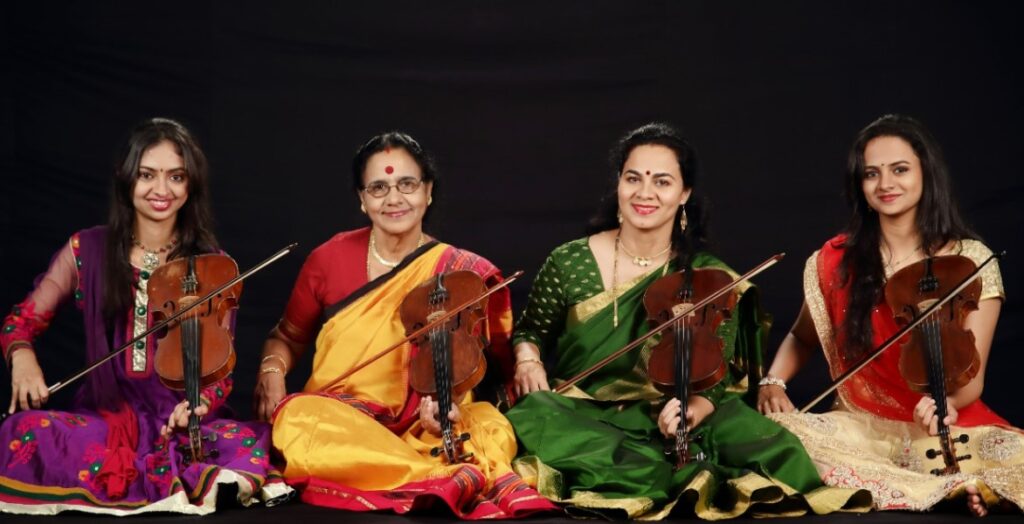
Beyond her career, Rajam’s personal life is also closely tied to music. She married T.S. Subramanian, a chartered accountant, who supported her journey. Together, they raised a family that continued her musical legacy.
Her daughter, Dr. Sangeeta Shankar, is also a violinist and has performed widely. Her granddaughters, Ragini Shankar and Nandini Shankar, are young violinists who carry forward the Gayaki Ang tradition. This makes Rajam’s family one of the rare examples where three generations are dedicated to the same art form.
Recent Contributions (2020–2026)
Even in her late 80s, Rajam has remained active in the music world. She continued to perform at important festivals and events, showing that age has not dimmed her passion. In 2026, she led the Sadas of the Music Academy in Madras, where she conferred the Sangita Kalanidhi title to violinist R.K. Shriramkumar. This event highlighted her role as a senior figure in the classical music community.
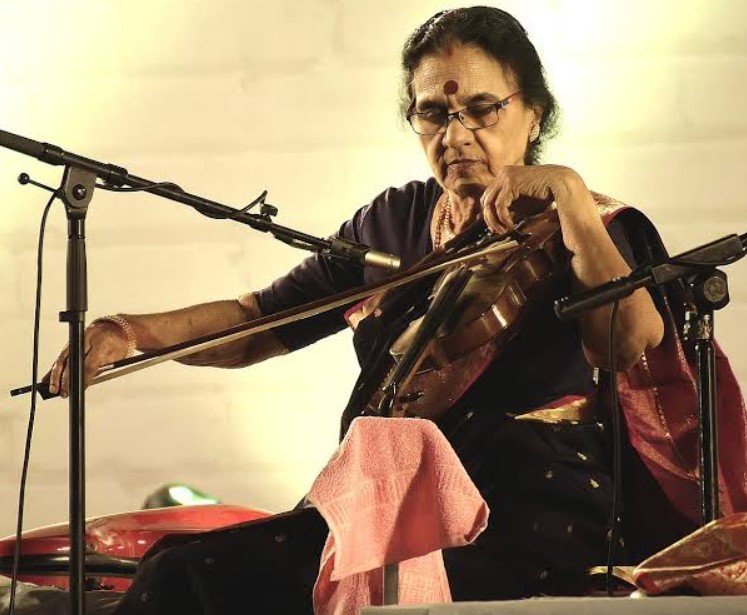
The same year, she was awarded the Padma Vibhushan, India’s second-highest civilian honor. This recognition was a celebration of her lifelong dedication to music and her influence across generations. It also placed her among the greatest cultural icons of India, alongside other legends who shaped the country’s artistic heritage.
Interesting Facts & Trivia
- At 13, she accompanied the legendary singer M.S. Subbulakshmi in a concert.
- She developed the Gayaki Ang style at just 15 years old.
- Her family includes three generations of violinists: daughter Sangeeta Shankar, and granddaughters Ragini Shankar and Nandini Shankar.
- She has performed jugalbandis with legends like Ustad Bismillah Khan and Pandit Hariprasad Chaurasia.
- She taught at BHU for more than 40 years, shaping countless students.
- She has received India’s top awards: Padma Shri, Padma Bhushan, and Padma Vibhushan.
- Her music tours have taken her across Europe, North America, and Australia, spreading Indian classical traditions worldwide.
- She is respected for bridging Carnatic and Hindustani traditions, a rare achievement in Indian music.
Read Also:- Manav Sardana