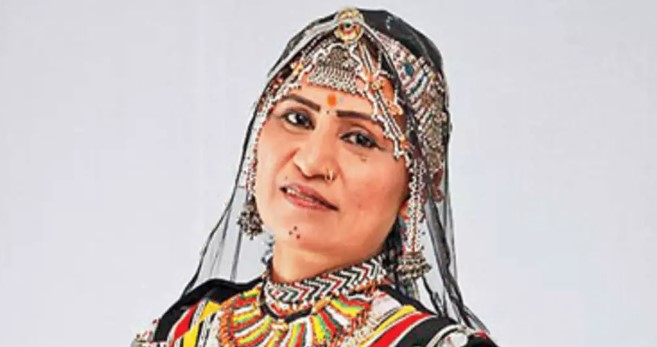
Gulabo Sapera is one of the most inspiring names in Indian folk culture. Known as the “Mother of Kalbeliya Dance,” she has carried the traditional art form of Rajasthan from dusty village grounds to international stages. Her life story is not just about dance; it is about survival, courage, and breaking barriers.
Born into the Kalbeliya community, which is often associated with snake charmers, Gulabo turned the movements of snakes into graceful dance steps. What makes her journey remarkable is the way she transformed an art that was once confined to her tribe into a global cultural symbol. Today, she is celebrated not only as a dancer but also as a cultural ambassador who has given identity and pride to her community.
Gulabo Sapera Awards, Age, Spouse, Parents, BIO
| Attribute | Details |
|---|---|
| Full Name | Gulabo Sapera |
| Profession | Folk Dancer, Cultural Ambassador |
| Famous For | Popularising Kalbeliya Dance worldwide |
| Date of Birth | 9 November 1973 |
| Age (as of 2026) | 52 years |
| Birthplace | Ajmer, Rajasthan, India |
| Community | Kalbeliya Tribe (Snake Charmers) |
| Height | Around 5 feet 5 inches (approx.) |
| Eye Colour | Black |
| Hair Colour | Black |
| Father | Sapera Nath (Snake Charmer) |
| Mother | Name not widely documented; known for saving her life at birth |
| Siblings | Youngest of seven children |
| Marital Status | Married |
| Husband | Sohan Nath (Musician) |
| Children | 5 (Sons – Dinesh, Bhawani; Daughters – Rakhi, Hema, Roopa) |
| Known For | Survival story of being buried alive at birth, later rescued |
| Education | Informal; trained through practice and observation |
| First Stage Appearance | Pushkar Mela, 1981 |
| International Debut | Washington DC, Festival of India, 1985 |
| Countries Performed In | More than 145 |
| Awards | Padma Shri (2016), Bharat Gaurav Award (2021), Genius Indian Achiever’s Award (2025) |
| Other Recognition | A street named after her in France; Documentary The Dancing Wind of Change (2025) |
| TV Shows | Bigg Boss Season 5 (2011) |
| Costume Contribution | Designed the iconic Kalbeliya costume |
| Leadership Role | President of All India Kalbeliya Community |
| Literary Tribute | French biography She Dances On Her Grave |
| Hobbies | Dance, Music, Cultural Promotion |
| @gulabosapera/ | |
| Wikipedia | @Gulabo_Sapera |
| @gulabisapera/ |
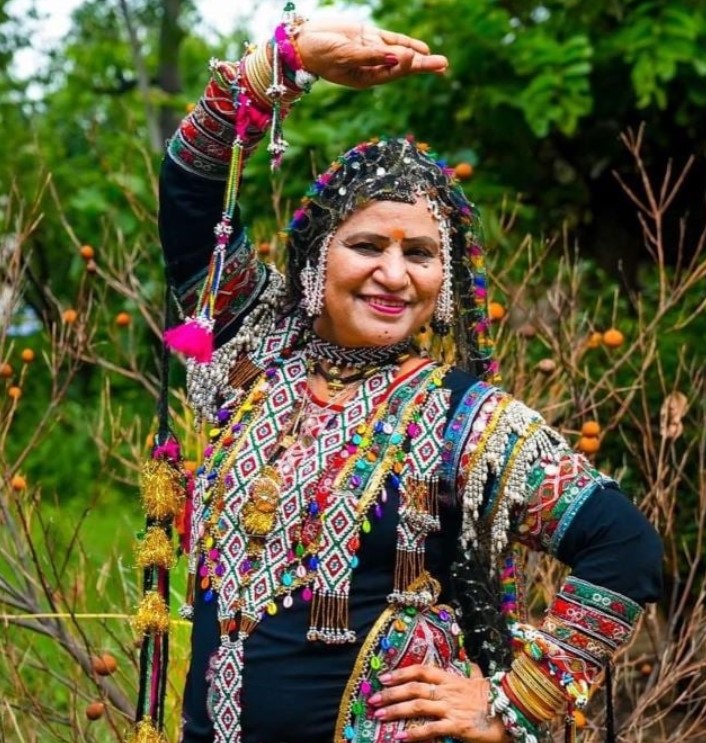
Birth and Early Struggles
Gulabo was born on 9 November 1973 in Ajmer, Rajasthan. Her birth was not welcomed by her community. In fact, she faced one of the most shocking incidents any child could endure. Soon after her birth, she was buried alive by members of her tribe who believed that girls were a burden. It was her mother who fought against this cruel act and rescued her, giving her a chance to live.
She grew up knowing that her very existence was an act of defiance. Her parents faced social boycott for saving her life, but they stood firm. Gulabo’s survival became symbolic of the struggles faced by women in conservative societies. Her story is often told as an example of how courage and love can defeat prejudice.
Childhood in the Kalbeliya Tribe
Gulabo’s childhood was spent in the Kalbeliya community, a nomadic tribe known for snake charming. Her father worked with snakes, and Gulabo grew up watching their movements closely. She began imitating the snakes’ swaying and twisting motions, which later became the foundation of her dance style.
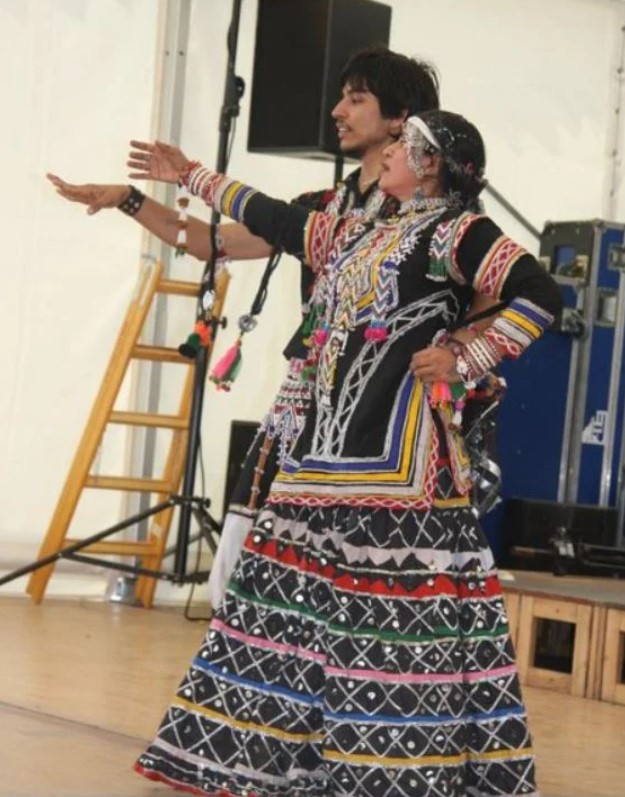
At the age of just one and a half years, she started dancing naturally, without formal training. However, her community did not support her passion. Girls were not allowed to dance or study, and Gulabo faced criticism for breaking these norms. Despite this, her mother encouraged her secretly, allowing her to practice and perform. This support gave Gulabo the strength to continue her journey.
First Stage Appearance: Pushkar Mela 1981
Gulabo’s first big break came when she was just seven years old. She performed at the famous Pushkar Mela in Rajasthan. Her dance caught the attention of officials from Rajasthan Tourism, who saw her talent and encouraged her to perform for larger audiences.
From being a girl restricted by her community, she suddenly became a performer admired by outsiders. The Pushkar Mela opened doors for her to showcase Kalbeliya dance beyond her tribe. It was here that Gulabo realized her art had the power to connect with people across cultures.
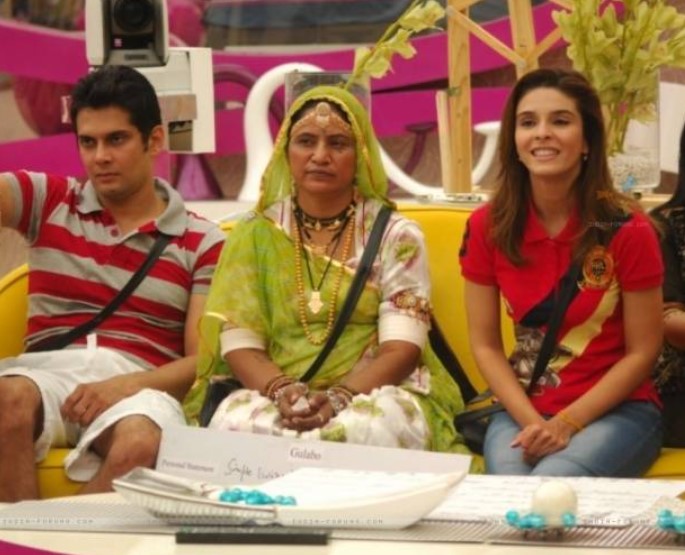
Television and Popular Culture
Gulabo Sapera’s fame was not limited to folk festivals and international stages. In 2011, she entered the world of television by participating in Bigg Boss Season 5, one of India’s most popular reality shows. Her presence on the show introduced her to a new generation of viewers who may not have been familiar with Kalbeliya dance.
Apart from reality TV, Gulabo has also appeared in Bollywood, Rajasthani, and even Hollywood films. She collaborated with French artists and released music CDs that blended traditional Kalbeliya rhythms with modern sounds. She also set up dance schools in Jaipur and Pushkar, where students from across the world come to learn the art form.
See Also:- Krish Bhagat
International Breakthrough
After her first stage performance at Pushkar Mela, Gulabo’s talent quickly reached beyond Rajasthan. At just 13 years old, she was invited to perform in Washington DC. This was her first international trip, and it marked the beginning of her journey as a global artist.
Her performance was part of the Festival of India in 1985, which showcased Indian culture abroad. Audiences were fascinated by the way she moved like a snake, blending rhythm with storytelling. Soon, she was traveling across continents, performing in countries like France, Germany, and the United States. Over the years, Gulabo has performed in more than 145 countries.
Personal Life and Family
Behind the fame, Gulabo has always valued her family. In 1986, she married musician Sohan Nath, who supported her artistic journey. Together, they built a life that balanced tradition with modernity. Their marriage was not just a personal bond but also a partnership in preserving Kalbeliya culture.
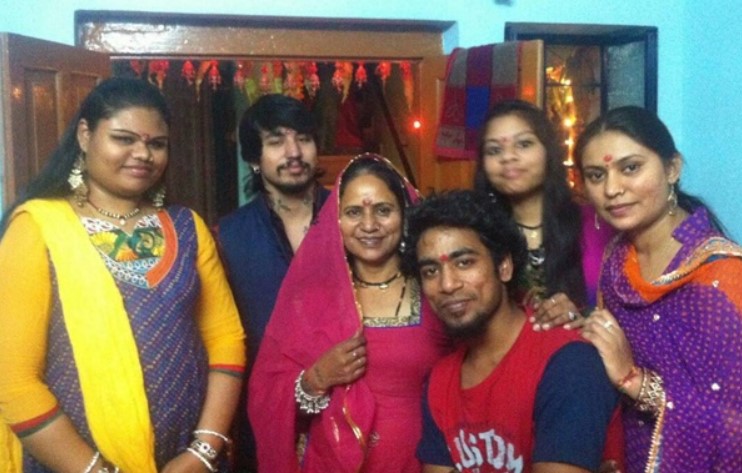
Gulabo and Sohan Nath have five children — two sons, Dinesh and Bhawani, and three daughters, Rakhi, Hema, and Roopa. Her children have grown up surrounded by music and dance, and some of them have continued the family’s artistic legacy. Her daughter Rakhi, for example, has worked in Rajasthani films and also performs dance.
Literary and Artistic Tributes
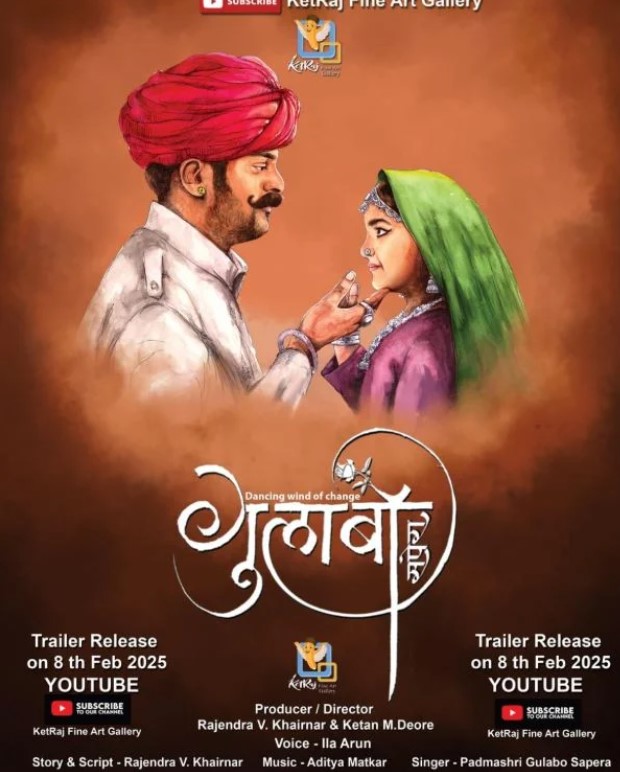
Gulabo’s life has been documented in books and films. A French biography titled “She Dances On Her Grave” by Thierry Robin and Véronique Guillien tells her story in detail. Her journey has also been captured in documentaries, including “The Dancing Wind of Change” released in 2025.
Her bond with former Prime Minister Rajiv Gandhi is also remembered. She tied Rakhi to him, symbolizing her respect and connection. These tributes highlight how her life has touched people across cultures and generations.
Awards and Recognition
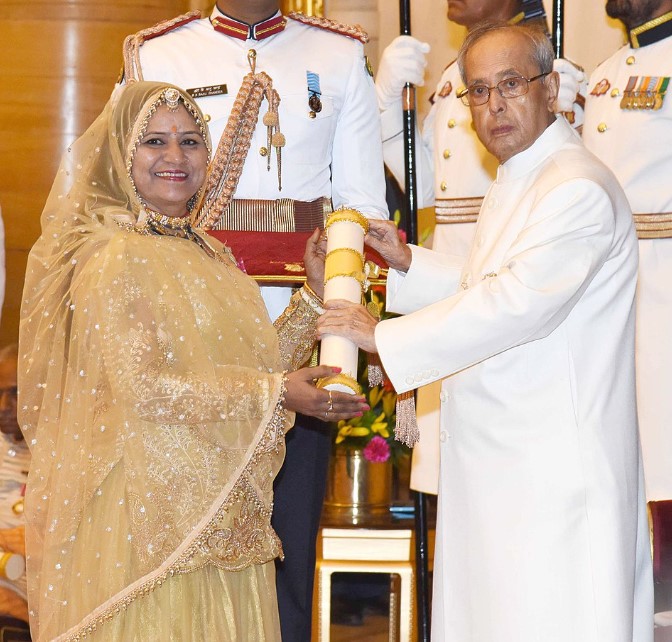
Gulabo Sapera’s contribution to dance has been recognized at the highest levels. In 2016, she was awarded the Padma Shri, one of India’s most prestigious civilian honors. This award was a moment of pride not only for her but also for the entire Kalbeliya community. It showed that her art, once marginalized, had now been embraced by the nation.
In 2021, she received the Bharat Gaurav Award, which honored her role as a cultural ambassador. In 2025, she was given the Genius Indian Achiever’s Award, adding another feather to her cap. In 2025, a documentary titled “The Dancing Wind of Change” was released, showcasing her life story and her role in transforming Kalbeliya dance.
Interesting Facts & Trivia
- Gulabo was the youngest of seven siblings.
- She started dancing at just 1.5 years old, imitating snakes.
- She has performed in more than 145 countries.
- She refused permanent residency abroad to stay connected with India.
- A street in France has been named after her.
- She designed the famous Kalbeliya costume.
- She has trained students worldwide and set up dance schools in Jaipur and Pushkar.
Read Also:- Smriti Chauhan