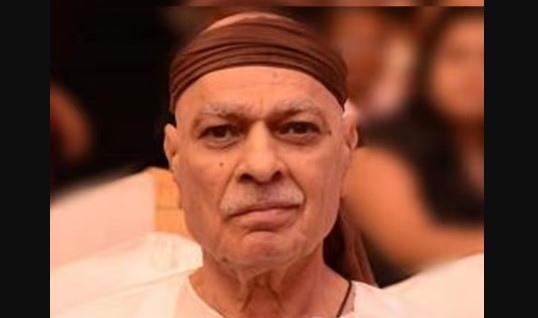
Ratan Khatri’s name is remembered across India as the “Matka King.” He was not just another gambler; he was the man who turned a small betting game into a nationwide phenomenon. In the busy lanes of Mumbai during the 1960s and 70s, his system of betting became a daily ritual for thousands of people. From mill workers to film stars, everyone knew about his draws.
Khatri’s story is not only about gambling but it is also about migration, survival, and building an empire in a city full of dreams. Born in Karachi in 1932, he moved to Bombay after Partition and slowly rose to fame. His life shows how one man’s ideas can change the way people look at chance and luck. Even today, his name is spoken with curiosity and respect, especially after the release of the Amazon Prime Video series Matka King in April 2026, which brought his story back into public memory.
Ratan Khatri Age, Career, Death, Biography, Family
| Attribute | Details |
|---|---|
| Full Name | Ratan Khatri |
| Popularly Known As | Matka King |
| Profession | Bookmaker, Gambling Operator, Film Producer |
| Birth Year | 1932 |
| Birthplace | Karachi, British India (now Pakistan) |
| Family Background | Sindhi Hindu family; migrated to Bombay after Partition in 1947 |
| Major Contribution | Founder of “Ratan Matka” (Main Bazaar Matka) betting system |
| Peak Popularity | 1970s – daily turnover reportedly reached ₹1 crore |
| Bollywood Connection | Produced film Rangila Ratan (1976); associated with Bollywood stars |
| Imprisonment | Jailed for 19 months during the Emergency (1975–1977) |
| Retirement | 1993 – stepped away from matka operations |
| Death | 9 May 2020, Mumbai, India |
| Age at Death | 88 years |
| Cause of Death | Cardiac arrest |
| Legacy | Remembered as India’s first legitimate bookmaker; inspired films/series |
| In Popular Culture | Film Dharmatma (1975); Amazon Prime Video series Matka King (2026) |
| Wikipedia | @Ratan_Khatri |
Early Life and Background
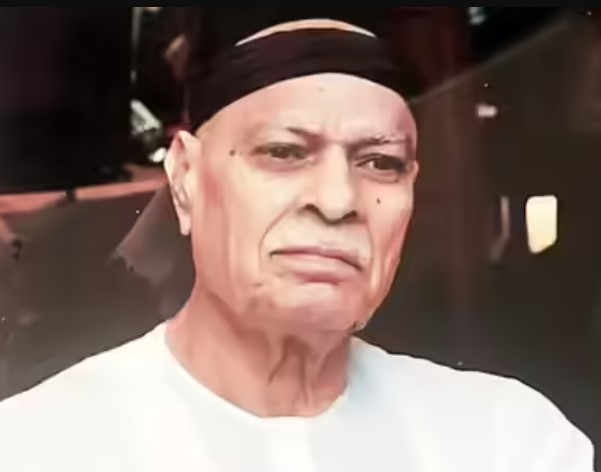
Ratan was born in 1932 in Karachi, British India (now in Pakistan). His family was Sindhi Hindu. Like many families during the Partition of 1947, his family had to leave their home and move to India. They settled in Bombay, which was already crowded with migrants from different parts of the country.
He grew up in a city where jobs were scarce, and survival meant finding new ways to earn. As a teenager, he started working in the textile markets and mill areas of Bombay. These markets were full of traders, workers, and gamblers. It was here that he first saw people betting on cotton prices from the New York Cotton Exchange. This was his first step into the world of gambling.
Entry into the Gambling World
In the 1950s, Bombay’s textile workers and traders often placed bets on cotton rates. A Kutchi trader named Kalyanji Bhagat had already introduced a system called Worli Matka, where people bet on cotton prices. Ratan Khatri and his friends also joined in, but he soon realised that the system was complicated and unfair.
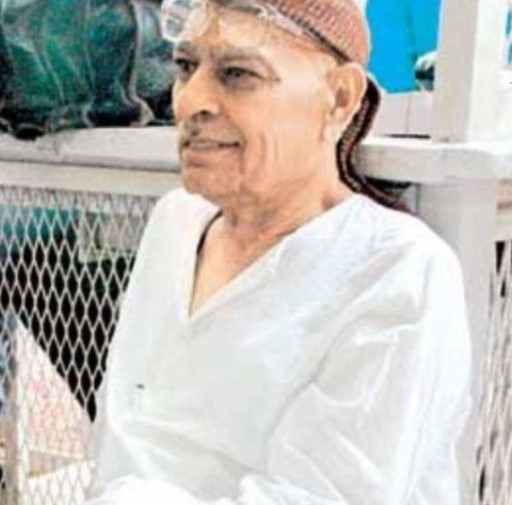
By 1962, his friends encouraged him to start his own syndicate. This was the turning point. Khatri introduced a new system called “Ratan Matka” or “Main Bazaar Matka.” Instead of betting on foreign cotton rates, he used playing cards drawn from an earthen pot (matka). This made the game simple, transparent, and trustworthy.
Rise of “Ratan Matka” (Main Bazaar)
Khatri’s innovation changed everything. His matka system was easy to understand, and anyone could play with small amounts of money. Soon, his draws became popular across Bombay. By the 1970s, his daily turnover was said to be ₹1 crore, a huge amount at that time.
His clients were not just poor workers. Wealthy businessmen, Bollywood actors, music composers, and even politically connected figures joined his betting network. The game became a part of Mumbai’s culture. Every evening, people waited for the numbers to be announced. It was no longer just gambling; it was a ritual that brought excitement and hope.
Peak of Success in the 1970s
By the early 1970s, Ratan had become a household name in Mumbai. His matka draws were not just a game; they were a daily event that brought excitement to thousands of people. The scale of his operations was massive. Reports suggest that his daily turnover often touched ₹1 crore, which was an extraordinary figure at that time.
His popularity was built on trust. Unlike other gambling operators, Khatri made sure his draws were conducted openly. He would shuffle playing cards in front of the public and announce the winning numbers. This transparency gave him credibility. People believed that his system was fair, and that belief made him the undisputed “Matka King.”
See Also:- Patrick Muldoon
Challenges During the Emergency (1975–1977)
The Emergency declared by Prime Minister Indira Gandhi in 1975 changed the course of Khatri’s life. During this period, civil liberties were restricted, and many people were jailed under preventive laws. Ratan was one of them. He was imprisoned for 19 months.
This was a tough time for him. His operations slowed down, and his reputation took a hit. Yet, even in jail, his name continued to be spoken in gambling circles. People waited for his return, and when he came out, he tried to rebuild his empire.
Decline of Matka in the 1990s
By the 1990s, the matka industry began to lose its shine. Several factors contributed to this decline. First, police action against gambling became stronger. Raids and arrests made it difficult for operators to run large-scale draws. Second, the mafia started interfering in the business, leading to disputes and violence.
Another reason was the rise of new forms of betting. With the growth of cricket betting and later online gambling, matka began to look outdated. Younger players preferred faster and more modern systems.
Transition to Bollywood
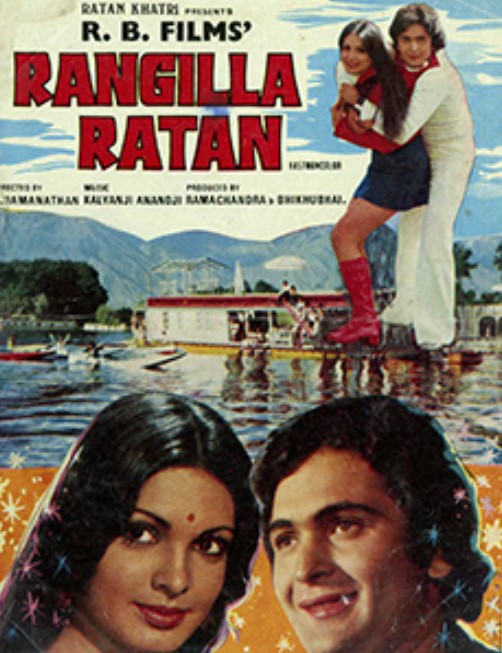
Ratan Khatri was not only a gambling king; he also had strong ties with Bollywood. In the mid-1970s, when his matka empire was at its peak, he entered the film industry. He financed and distributed movies, and even produced his own film titled “Rangila Ratan” (1976).
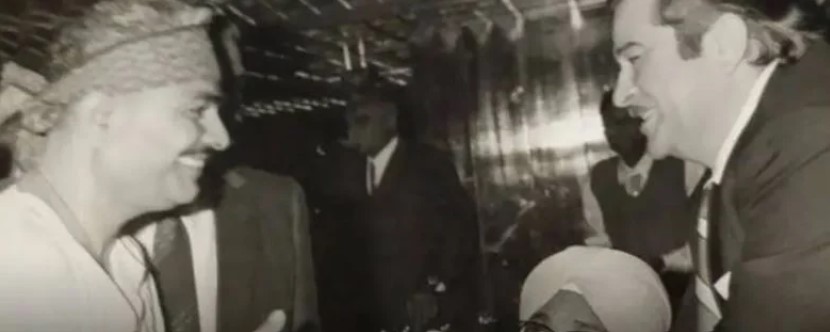
His connections with Bollywood stars were well known. Many actors and producers were part of his betting circles. Stories suggest that even big names like Raj Kapoor were familiar with his draws. For the film industry, his presence was both financial and cultural. He brought the thrill of matka into cinema, and in return, cinema gave him a larger-than-life image.
Retirement and Later Life
By the early 1990s, Khatri’s influence had started to fade. Police action, mafia interference, and the rise of new betting formats made matka less popular. In 1993, he retired from active operations. His name was even placed on a no-fly list, which restricted his movements.
After retirement, he lived a quieter life in Mumbai. Unlike many others in the gambling world, he did not face a violent end. He stepped away gracefully, leaving behind a system that others tried to copy but never managed to run with the same trust and scale.
Death and Final Years
Ratan passed away on 9 May 2020 in Mumbai at the age of 88. The cause of death was cardiac arrest. His death marked the end of an era. For many, it was the closing chapter of a story that had shaped Mumbai’s underground culture for decades.
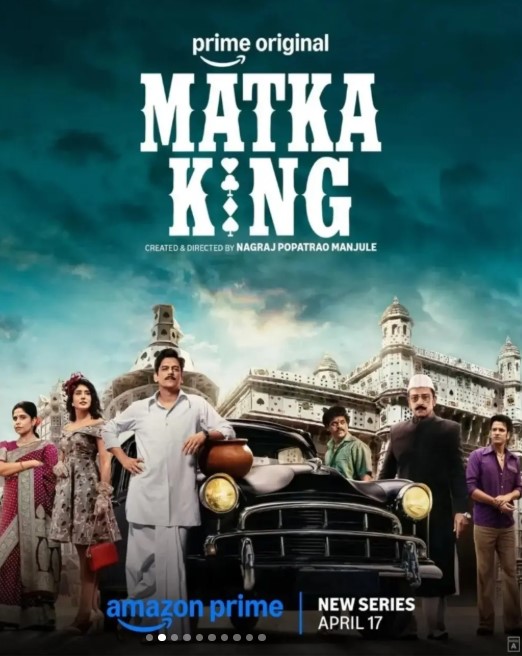
Even after his death, his name continued to be remembered. In April 2026, Amazon Prime Video released a series titled “Matka King” starring Vijay Varma, which brought his life back into public discussion. This showed that his story still had the power to attract audiences, even years after his passing.
Read Also:- Yash Punja