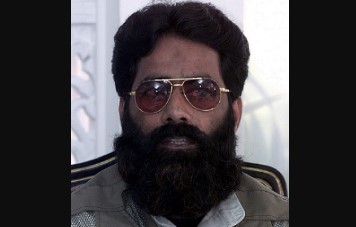
Ilyas Kashmiri was one of the most feared militant leaders in South Asia. Born in 1964 in Bhimber, Azad Kashmir, Pakistan, he rose from being a soldier in the Pakistani Army’s Special Services Group (SSG) to becoming a commander of militant outfits like Harkat-ul-Jihad-al-Islami and the 313 Brigade. His name often appeared in global headlines because of his close links with Al-Qaeda and his reputation as a ruthless strategist.
His life story is not just about militancy but also about how one man’s choices shaped the security landscape of South Asia. Kashmiri’s journey from a small town in Azad Kashmir to the mountains of Waziristan shows how personal ambition, ideology, and geopolitics can combine to create figures who leave a lasting mark on history. He died in 2011 at the age of 47 in a U.S. drone strike, but his name continues to be studied by analysts and historians.
Ilyas Kashmiri Death, Age, Wife, Family, Biography
| Attribute | Details |
|---|---|
| Full Name | Muhammad Ilyas Kashmiri |
| Date of Birth | 10 February 1964 |
| Place of Birth | Bhimber, Azad Kashmir, Pakistan |
| Age at Death | 47 years |
| Date of Death | 3 June 2011 |
| Place of Death | South Waziristan, Pakistan (U.S. drone strike) |
| Occupation | Militant Commander |
| Known For | Chief of Harkat-ul-Jihad-al-Islami (HuJI) and 313 Brigade; Al-Qaeda ties |
| Military Background | Former soldier in Pakistan Army’s Special Services Group (SSG) |
| Family | Married; details about wife and children remain undisclosed |
| Notable Reputation | Feared strategist, ruthless commander, considered possible successor to Osama bin Laden |
| Associated Groups | HuJI, Al-Qaeda, 313 Brigade |
| Wikipedia | @Ilyas_Kashmiri |
Early Life and Background
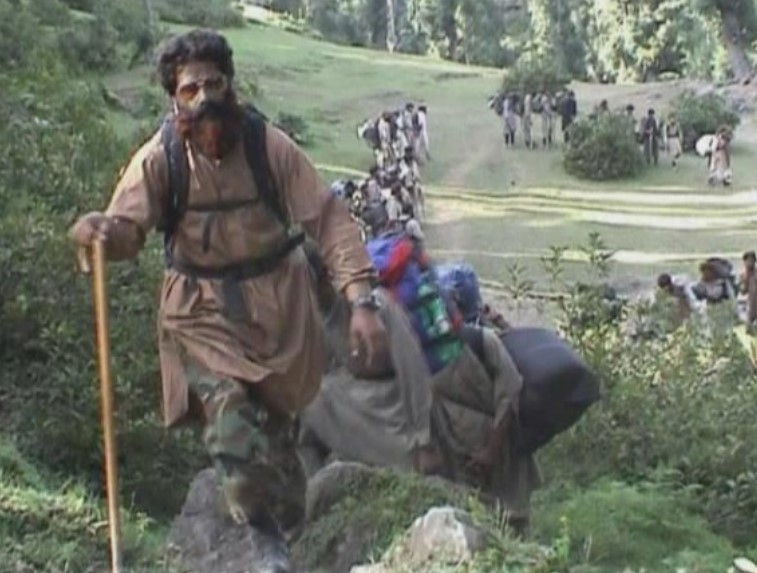
As per Wikipedia, Ilyas was born on 10 February 1964 in Bhimber, a district in Azad Kashmir, Pakistan. His early years were spent in a modest household, and like many young men from the region, he grew up in an environment shaped by the Kashmir conflict. The area was politically sensitive, and stories of battles and resistance were part of everyday life.
He joined the Pakistani Army and became part of the elite Special Services Group (SSG), which is known for producing some of the toughest soldiers in the country. His training in the army gave him discipline, combat skills, and exposure to modern warfare. However, his career took a sharp turn when he left the army and entered the world of militancy.
Entry into Militancy
After leaving the Pakistani Army’s Special Services Group, Ilyas Kashmiri turned towards militancy. His first major involvement was in the Kashmir conflict during the late 1980s and early 1990s. He became known for daring raids against Indian forces, including one famous incident where he reportedly captured the head of an Indian soldier and presented it to his commanders.
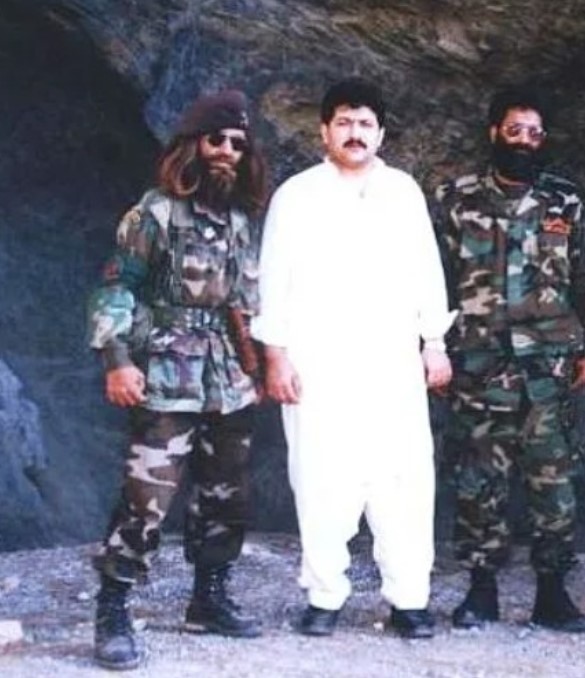
Kashmiri’s military training gave him an edge over other fighters. He was skilled in guerrilla tactics, explosives, and ambush operations. His ability to plan and execute complex missions quickly made him a valuable asset for militant groups. Over time, he became associated with Harkat-ul-Jihad-al-Islami (HuJI), a Pakistan-based militant outfit.
Rise to Prominence
By the early 2000s, Ilyas had become a well-known figure in militant circles. He was the chief of HuJI’s 313 Brigade, a unit that specialized in high-profile attacks. His group was linked to several deadly incidents, including attacks in Pakistan and Afghanistan. Intelligence agencies described him as a master planner who could organize operations across borders.
His ties with Al-Qaeda further increased his importance. Reports suggested that Kashmiri was close to Osama bin Laden and other senior leaders. American officials even feared that he could succeed bin Laden as the head of Al-Qaeda. His ability to connect local militancy in Kashmir with global jihadist movements made him a unique figure.
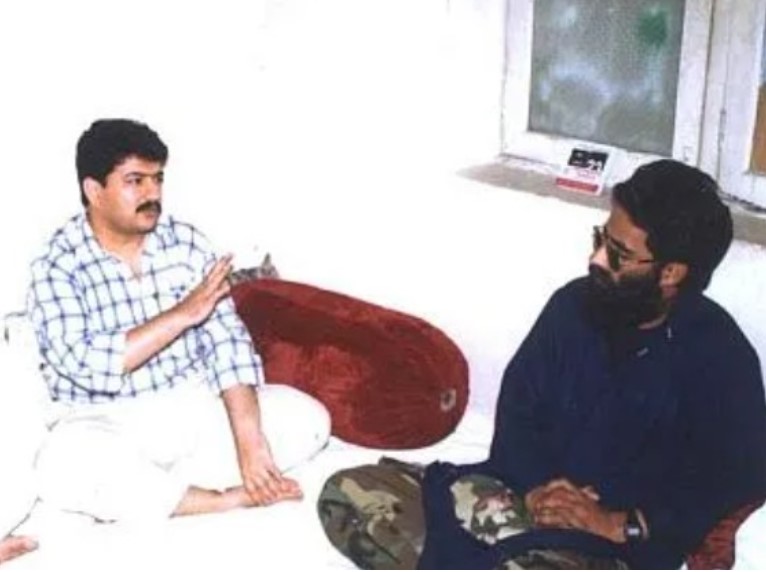
See Also:- Rana Balachauria (Kabaddi Player)
Death and Circumstances
Kashmiri’s death was reported on 3 June 2011 in South Waziristan, Pakistan. He was killed in a U.S. drone strike that targeted militants in the region. At the time, American officials described him as one of the most dangerous men in South Asia. His death was seen as a major blow to Al-Qaeda and its allied groups.
However, his death was surrounded by confusion and controversy. Some reports suggested that he might have survived the strike, and for months there were rumours that he was still alive. Pakistani intelligence sources later confirmed his death, but the uncertainty reflected the secretive nature of his life. Even in death, Kashmiri remained a shadowy figure whose exact fate was debated. His killing showed how seriously the U.S. considered him a threat, and it highlighted the role of drone warfare in counter-terrorism operations.
Family Life
Details about Kashmiri’s family are limited, as militant leaders often keep their personal lives hidden. It is known that he was married, but information about his wife and children has not been widely shared in public sources. This secrecy was intentional, as families of militant leaders often face risks and scrutiny.
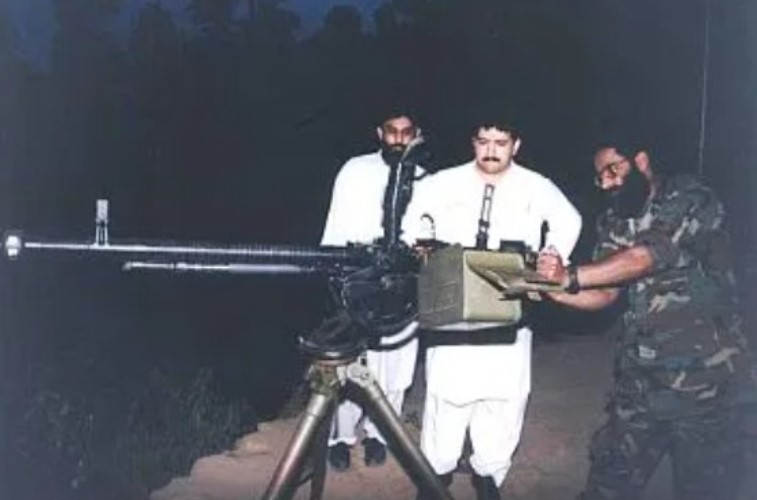
What is clear is that Kashmiri’s family lived under the shadow of his militant career. His choices and actions shaped not only his own life but also the lives of those close to him. While his name was known worldwide, his family remained in the background, rarely mentioned in reports. This silence reflects both the danger of being associated with him and the private nature of his personal life.
Controversies and Debates
Kashmiri’s life and death were surrounded by controversies. One of the biggest debates was whether he had really been killed in the 2011 drone strike. For months, rumours circulated that he was still alive, and some militant groups even claimed he had survived. This uncertainty reflected the difficulty of confirming deaths in remote areas where drone strikes took place.
Another controversy was about his role in global terrorism. Some analysts argued that Kashmiri was more dangerous than other militant leaders because of his ability to plan complex missions. Others believed his influence was exaggerated by intelligence agencies. There were also debates about whether his death weakened militant networks or whether new leaders quickly replaced him.

Interesting Facts about Ilyas Kashmiri
- Kashmiri became infamous during the Kashmir conflict for a daring raid where he reportedly presented the head of an Indian soldier to his commanders — an act that made him feared and respected among militants.
- His military training gave him advanced skills in guerrilla warfare, explosives, and ambush tactics, making him one of the most dangerous planners in South Asia.
- He was closely linked with Al-Qaeda and was once considered a possible successor to Osama bin Laden because of his influence and leadership qualities.
- He was killed in a U.S. drone strike in South Waziristan on 3 June 2011, at the age of 47, though rumours of his survival circulated for months afterward.
- Despite his global notoriety, very little is known about his wife and children, as his family life was kept secret to protect them from risks.
Read Also:- Tugba Cinar