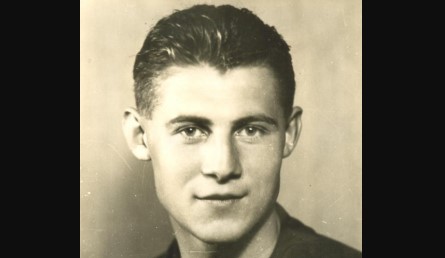
György Sárosi is regarded as one of the best footballers of the prewar era. Born in Hungary in 1912, he became a household name not only in his country but across Europe. His story is not just about goals and trophies; it is about resilience, versatility, and a love for the game that made him stand out in a time when football was still finding its modern identity.
Sárosi was admired for his ability to play in almost every position on the field. He was a striker, a midfielder, and even a defender when his team needed him. Few players in history have shown such adaptability. His leadership qualities and sharp football mind made him a captain who inspired teammates and won the respect of rivals.
Gyorgy Sarosi Wiki, Career, Family, Spouse, Death
| Attribute | Details |
|---|---|
| Full Name | György Sárosi (born György Stefanicsics) |
| Nickname | “Gyurka” |
| Date of Birth | 5 August 1912 |
| Place of Birth | Budapest, Austria-Hungary |
| Date of Death | 20 June 1993 |
| Place of Death | Genoa, Italy |
| Nationality | Hungarian |
| Education | Doctorate in Law (Eötvös High School, University of Budapest) |
| Playing Position(s) | Striker, Midfielder, Defender (noted for versatility) |
| Club Career | Ferencváros TC (1930–1948) – 383 matches, 351 goals |
| International Career | Hungary National Team (1931–1943) – 62 caps, 42 goals |
| Major Achievements | 5× Hungarian League Champion, 1938 World Cup Finalist, Bronze Ball Winner |
| Coaching Career | Managed Juventus, Roma, Genoa, Bari, Bologna, Brescia, Lugano (1948–1963) |
| Notable Records | Scored 7 goals in one international match (1937 vs. Czechoslovakia) |
| Wikipedia | @György Sárosi |
Early Life and Family Background
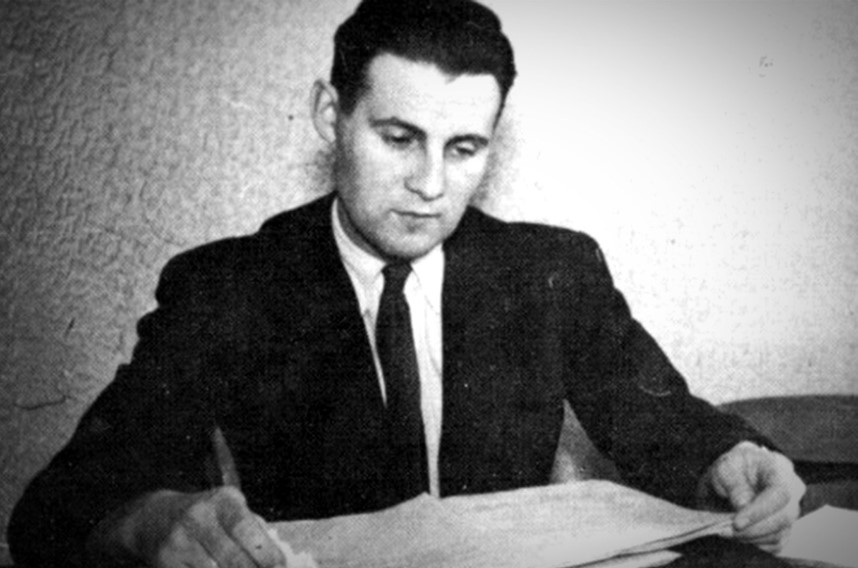
György was born on 5 August 1912 in Budapest, which was then part of Austria-Hungary. His original surname was Stefanicsics, but he later adopted the name Sárosi to reflect his Hungarian identity. He grew up in a modest household; his father worked as a tailor, and the family valued education and discipline.
Sports were a big part of his childhood. He was not only interested in football but also tried his hand at tennis, table tennis, water polo, and athletics. His brothers also became athletes—Béla played football, while László excelled in water polo. This sporting environment shaped Sárosi’s early years and gave him the foundation to become a multi-talented athlete.
Education and Early Aspirations
Sárosi studied at Eötvös High School, where he played in school leagues and quickly showed his talent. His teachers admired his dedication, not only in sports but also in academics. He was a bright student who initially wanted to become a lawyer. In fact, he later obtained a PhD in law, earning him the moniker “Dr. György Sárosi.”
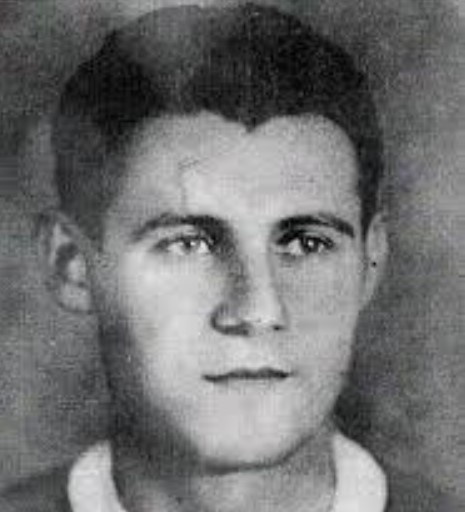
However, the economic depression of the 1930s made it difficult for him to pursue a career in law. Football became his path, and he embraced it wholeheartedly. What makes his story unique is that he never abandoned his intellectual side. He balanced his studies with his sporting career, proving that athletes can be scholars too.
Rise at Ferencváros Club
György Sárosi’s professional journey began with Ferencváros TC, one of Hungary’s most famous football clubs. He joined the youth team at just 15 years old, and by 1931, he was already making his mark in the senior squad. His debut season showed glimpses of the brilliance that would later define his career. He scored goals with ease, and his natural ability to read the game made him stand out among his peers.
Over the years, Sárosi became the backbone of Ferencváros. Between 1930 and 1948, he played 383 matches and scored 351 goals for the club. These numbers alone tell the story of his consistency and impact. But beyond statistics, he was a leader who carried his team through victories and tough battles. Under his guidance, Ferencváros won five Hungarian league titles between 1932 and 1941.
Versatility on the Field
One of the most fascinating aspects of Sárosi’s career was his versatility. Unlike most players who specialise in one position, he could play almost anywhere on the pitch. He was equally effective as a striker, midfielder, or defender. This rare ability made him invaluable to his team. Coaches often relied on him to fill gaps, knowing that he could adapt without losing his effectiveness.
His tactical intelligence was praised across Europe. Italian legend Silvio Piola once said that Sárosi was “the best defender, midfielder, and striker in the world.” Such recognition from rivals shows how respected he was internationally. His strength, vision, and leadership made him a complete footballer, someone who could change the course of a match no matter where he was placed.
See Also:- Hari Murali
International Career with Hungary
Sárosi’s talent was not limited to club football. He represented the Hungarian national team 62 times, scoring 42 goals. His debut came in 1931 against Yugoslavia when he was just 18 years old. From that moment, he became a regular feature in the national squad, bringing pride to his country.
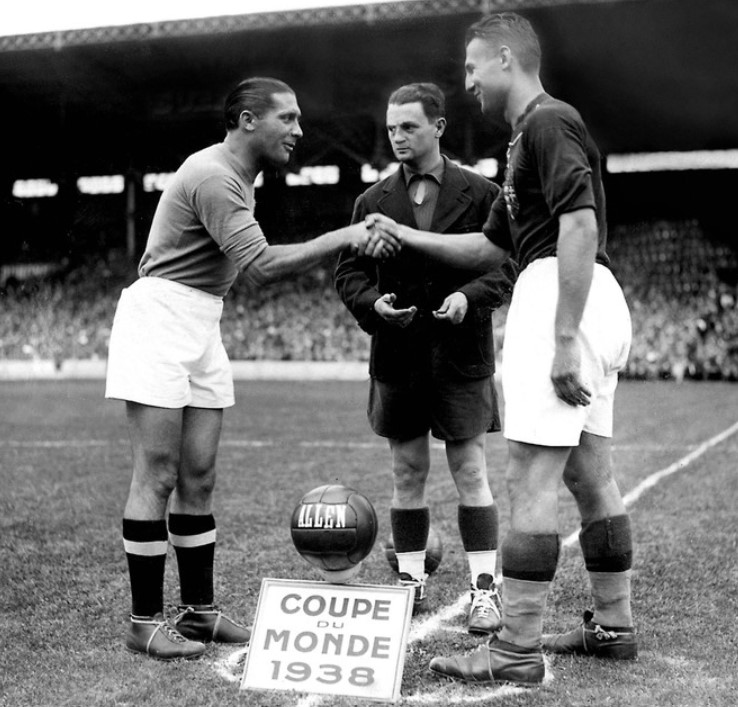
One of his most memorable performances came in 1937 when he scored seven goals in a single match against Czechoslovakia. This incredible feat remains one of the highest individual goal tallies in international football history. His ability to deliver on the big stage made him one of Hungary’s most celebrated players.
World Cup Performances
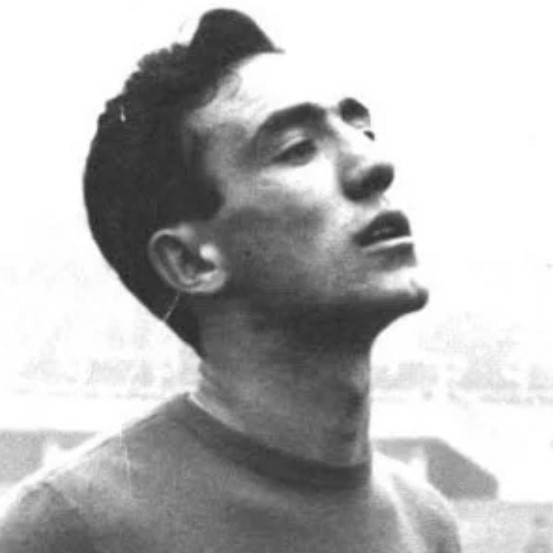
György Sárosi’s name is closely tied to Hungary’s golden era in international football. He played in two FIFA World Cups, in 1934 and 1938, and left a lasting mark. In the 1934 World Cup, Sárosi was still young and carried high expectations. He scored a penalty against Egypt, but Hungary struggled overall and exited early. Despite the disappointment, his performance showed glimpses of the leader he would become.
The 1938 World Cup in France was his finest hour. As captain, he led Hungary all the way to the final. He scored five goals in four matches, including crucial strikes in the knockout rounds.He was awarded the Bronze Ball as the third-highest scorer of the tournament. Interestingly, he became one of the few players in history to score in every knockout stage game, a record later matched by Lionel Messi in 2022.
Memorable Matches and Achievements
Sárosi’s career was filled with matches that fans still talk about. One of the most famous came in the 1933 Magyar Kupa Final, where Ferencváros defeated Újpest 11–1. Sárosi scored a hat-trick and assisted four more goals, showing his complete dominance on the field. Another highlight was the 1937 Mitropa Cup Final against Lazio. Sárosi scored decisive goals and was named the best player of the tournament.
By the end of his career at Ferencváros, he had scored 421 goals in 450 matches. These numbers are extraordinary and place him among the most prolific scorers in football history. His consistency, combined with his leadership, made him a legend not only in Hungary but across Europe.
Managerial Career in Italy and Switzerland
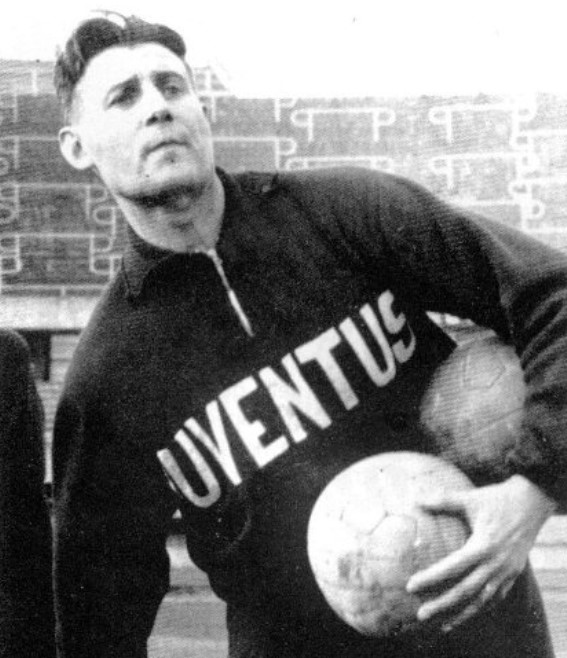
After retiring as a player, Sárosi moved into coaching. He spent most of his managerial career in Italy and Switzerland, where he guided several top clubs. His coaching journey included teams like Juventus, Roma, Genoa, Bari, Bologna, Brescia, and Lugano.
His biggest success came with Juventus, where he won the Serie A title in the 1951–52 season. Managing in Italy was not easy, as the league was highly competitive, but Sárosi’s tactical knowledge and calm leadership helped him succeed. Between 1948 and 1963, he coached nine different teams, proving that his football brain was just as sharp off the field as it was on it.
Later Life and Death
After retiring from coaching, György Sárosi settled in Italy, where he lived for many years. He remained connected to football but chose a quieter life away from the spotlight. In 1976, he returned briefly to Hungary for a celebrated homecoming, where fans welcomed him with warmth and respect. It was a reminder that his legacy was still alive in the hearts of the people.
Sárosi passed away on 20 June 1993 in Genoa, Italy, at the age of 80. His death marked the end of an era, but his contributions to football continue to inspire. He is remembered not only as a great player but also as a symbol of dedication, intelligence, and versatility. Many historians and football experts include him in lists of the 100 Greatest Footballers of All Time, showing that his influence has lasted well beyond his playing days.
Read Also:- Sayali Surve