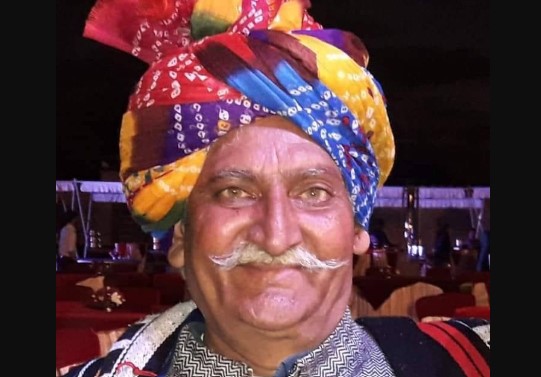
Gafruddin Mewati Jogi is one of those rare artists who carry the heartbeat of India’s folk traditions in their voice. Born in a small village in Rajasthan, he grew up surrounded by music, storytelling, and devotion. Today, he is celebrated as the Padma Shri awardee of 2026, a recognition that honours his lifelong dedication to preserving the endangered art of Bhapang and oral epics.
His journey is not just about music; it is about resilience, culture, and identity. For decades, he performed in village squares, temples, and international stages, keeping alive traditions that were fading away. His story is a reminder that folk art is not just entertainment — it is history, spirituality, and the soul of a community.
Gafruddin Mewati Jogi Age, Wife, Career, Family, Wiki
| Attribute | Details |
|---|---|
| Full Name | Gafruddin Mewati Jogi |
| Date of Birth | 26 September 1962 |
| Age (as of 2026) | 63 years |
| Birthplace | Kaithwara village, Deeg district, Rajasthan, India |
| Nationality | Indian |
| Community | Mewati Jogi community |
| Occupation | Folk Artist, Bhapang Player, Singer, Storyteller |
| Known For | Mastery of Bhapang (single-string percussion instrument) |
| Father | Budh Singh Jogi (his first guru) |
| Mother | Not publicly documented |
| Wife | Madhuraji |
| Children | Son – Dr. Shahrukh Khan Mewati Jogi |
| Grandchildren | Grandson – Danish Jogi |
| Siblings | Brother – Tayyab Khan |
| Education | Studied up to 9th standard, Government Senior Secondary School, Bharatpur |
| Training | Guru-shishya parampara under his father |
| Major Contributions | Preserving oral epics like Pandun ka Kada, Lok Ramayana, Shiv Byawale, Krishna Leela |
| Awards & Honours | Yuva Puraskar (1993), Lok Kala Samman (2008), Sur Samman (2009), Rajasthan State Honour (2016), Sangeet Natak Akademi Award (2022), Padma Shri (2026) |
| Institution Founded | Brajrang Mewat Sahitya Lok Kala Sansthan (2007, Bharatpur) |
| International Tours | Performed in England, France, Germany, Canada, Japan, UAE, Australia |
| @jogigafruddinmewati/ | |
| @gafruddinmewati.jogi | |
| YouTube | @gafruddinmewatijogi/ |
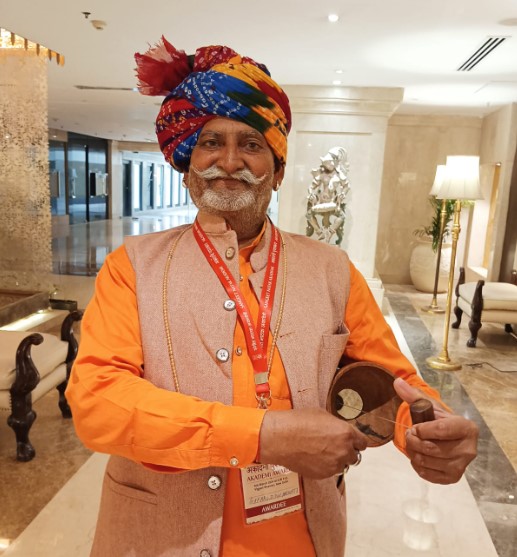
Early Life and Roots in Mewat
Gafruddin was born on 26 September 1962 in Kaithwara village, Deeg district of Rajasthan. His childhood was shaped by the traditions of the Mewati Jogi community, a group known for wandering performances and devotional singing. Life was not easy. His family struggled to make ends meet, so young Gafruddin would follow his father to villages to perform, often receiving only bread or grains in exchange.
Despite hardships, his childhood was rich in cultural exposure. He grew up listening to stories of gods, warriors, and saints, all narrated through music and rhythm. These experiences planted the seeds of devotion and artistry in him. His early years were less about formal schooling and more about learning the language of folk music, which later became his identity.
Family Background and Personal Life
Behind every artist is a family that shapes their journey. Gafruddin’s father, Budh Singh Jogi, was his first guru and the one who introduced him to the Bhapang. His wife, Madhuraji, has been a constant support throughout his life. Together, they raised a family that continues the tradition. His son, Dr. Shahrukh Khan Mewati Jogi, has taken the legacy forward, while his grandson, Danish Jogi, is also learning the art.
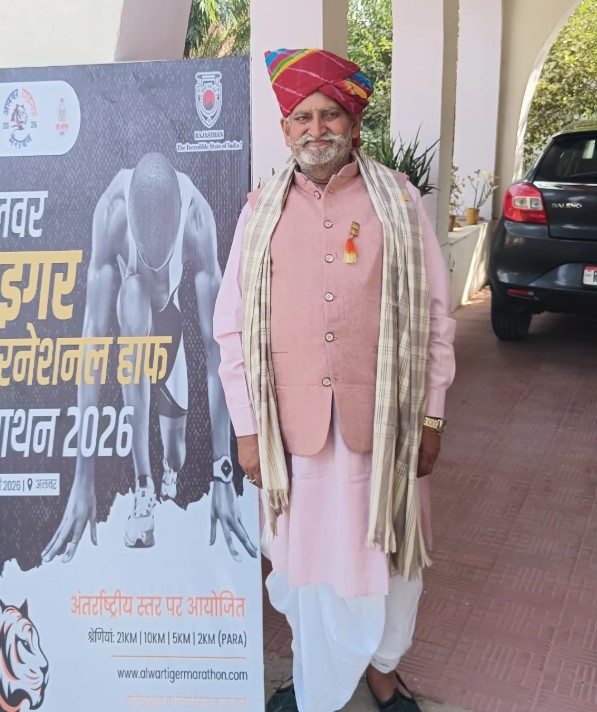
His brother, Tayyab Khan, has been part of his musical journey too. What distinguishes his family is their dedication to preserving cultural traditions across generations. For Gafruddin, music is not just a profession; it is a family heritage. His home is filled with instruments, stories, and the sound of Bhapang, making it a living museum of Rajasthan’s folk culture.
Education and Early Training
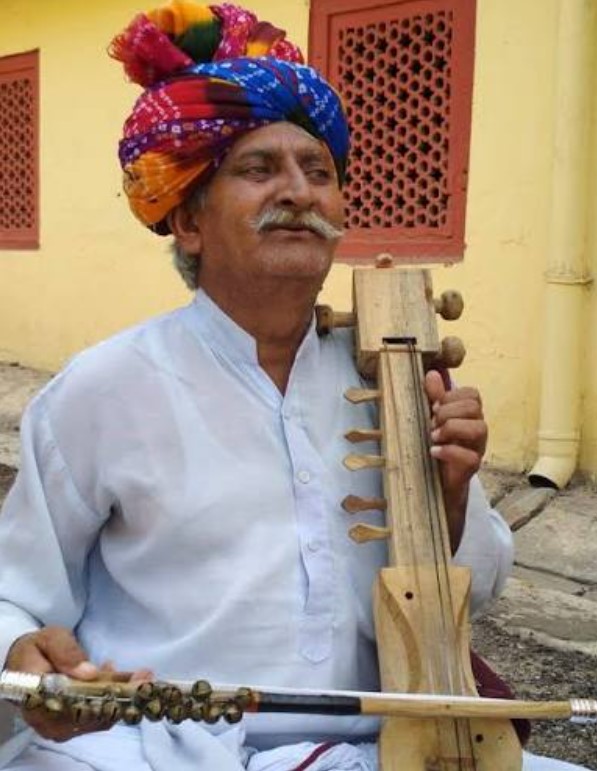
Gafruddin studied up to the 9th standard at Government Senior Secondary School in Bharatpur. But his real education came from the guru-shishya parampara, the traditional way of learning from a teacher. His father trained him in Bhapang, Jogiya Sarangi, Dholak, and devotional singing.
Unlike modern musicians who rely on written notes, Gafruddin learned by listening, memorising, and practising. He mastered the art of reciting long oral epics, sometimes stretching over thousands of verses. This training gave him not just musical skills but also discipline, patience, and a deep spiritual connection with his art.
See Also:- Seema Kaliramna (Discus Throw)
Preserving Oral Epics and Folk Narratives
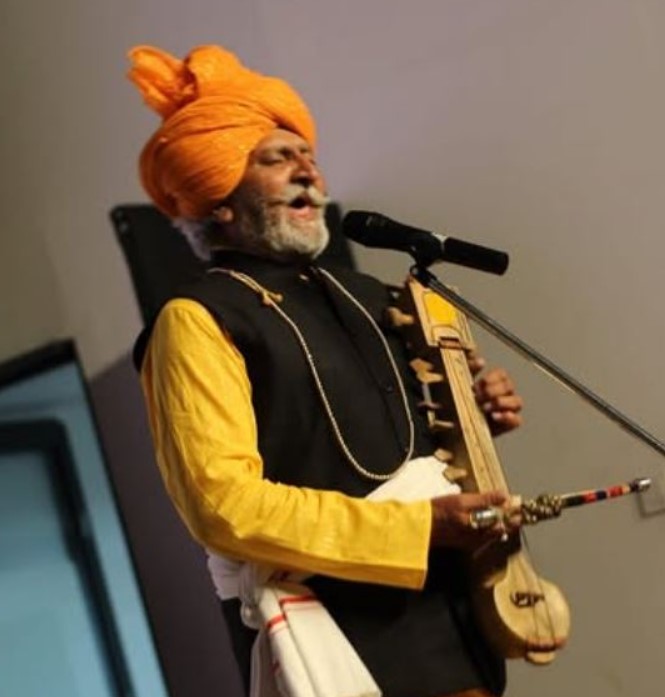
One of Gafruddin’s greatest contributions is his ability to recite and sing long oral epics. He has memorised more than 2,500 couplets of Pandun ka Kada, a folk version of the Mahabharata. He also performs Lok Ramayana, Shiv Byawale, and Krishna Leela, keeping alive stories that have been passed down for generations.
These oral traditions are not written in books; they live in the voices of artists like him. By performing them, he ensures that younger generations hear these tales of gods, heroes, and morality. His work is not just entertainment — it is cultural preservation. Without artists like Gafruddin, many of these stories would fade into silence.
Journey from Village Squares to Global Stages
Gafruddin’s journey began in small village squares, where he performed for food or small offerings. His talent was eventually acknowledged, and he was invited to perform at larger gatherings. By the 1990s, he was travelling abroad, taking Rajasthan’s folk music to international audiences.
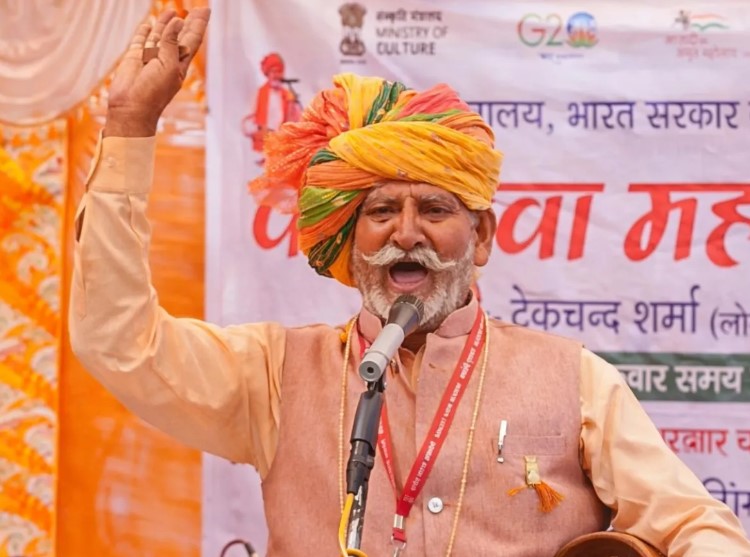
He has performed in England, France, Germany, Canada, Japan, UAE, and Australia. One of his most memorable performances was at Queen Elizabeth’s birthday event in London. For him, these global stages were not just about fame; they were about showing the world the beauty of Indian folk traditions. His international tours proved that folk music, though rooted in local culture, has universal appeal.
Awards and Recognitions Over the Decades
Recognition came slowly but steadily. His first award was the Yuva Puraskar in 1993, which gave him confidence to continue his art. Later, he received the Lok Kala Samman in 2008 and the Sur Samman in 2009. In 2016, the Rajasthan government honoured him with a state award.
The turning point came in 2022, when he received the Sangeet Natak Akademi Award, one of India’s highest honours for performing arts. Finally, in 2026, he was awarded the Padma Shri, India’s fourth-highest civilian award. This recognition was not just for him but for the entire tradition he represents. He described it as “receiving wages for decades of hard work.”
Founding of Brajrang Mewat Sahitya Lok Kala Sansthan
In 2007, Gafruddin took a step that showed his vision for the future. He established the Brajrang Mewat Sahitya Lok Kala Sansthan in Bharatpur. This institution was created to train young artists and to preserve folk traditions that were slowly disappearing.
Through this organisation, he encouraged research on folk culture. Many students, including his own son, pursued higher studies and even Ph.D. work on these traditions. The Sansthan became a hub where folk music was not only performed but also documented and studied. It gave structure to an art form that had always been passed orally.
Padma Shri Honour
On 26 January 2026, during Republic Day celebrations, the Government of India announced that Gafruddin Mewati Jogi would receive the Padma Shri. In May 2026, he was honoured by President Droupadi Murmu at Rashtrapati Bhavan.
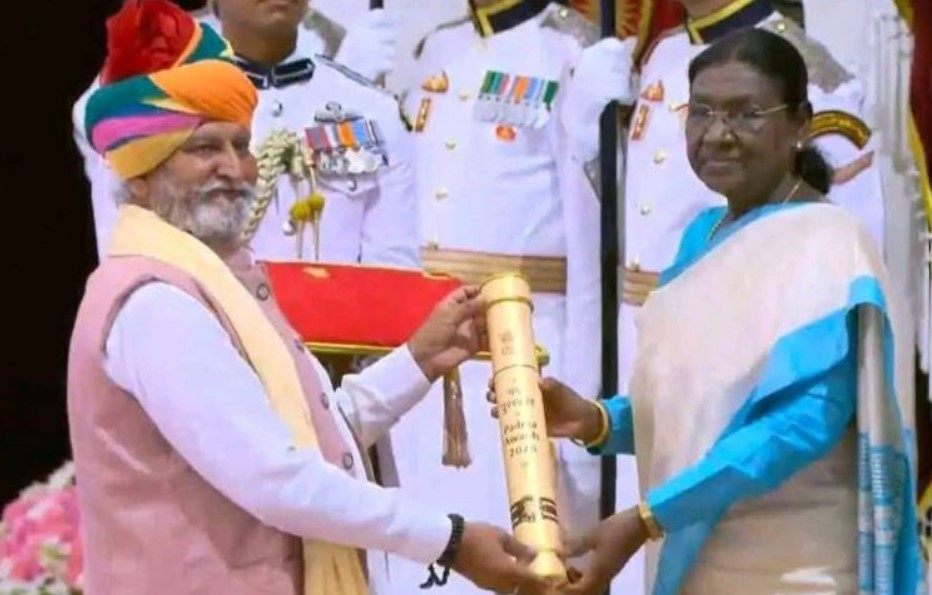
For Gafruddin, this award was deeply emotional. He described it as “receiving wages for decades of hard work.” The Padma Shri was not just a personal honour; it was recognition of folk traditions that had long been ignored. It brought national attention to Bhapang and to the artists who dedicate their lives to preserving oral heritage.
Interesting Facts and Anecdotes
- As a child, he often performed in villages and received flour or grains instead of money.
- He has memorised more than 2,800 folk songs and couplets, making him a living library of oral traditions.
- He once performed at Queen Elizabeth’s birthday event in London, a rare honour for a folk artist from India.
- He is considered the last living master of Bhapang, an instrument that very few people in the world can play.
- His performances are known to last for hours, filled with devotion, storytelling, and rhythm.
Read Also:- Arpita Sarkar