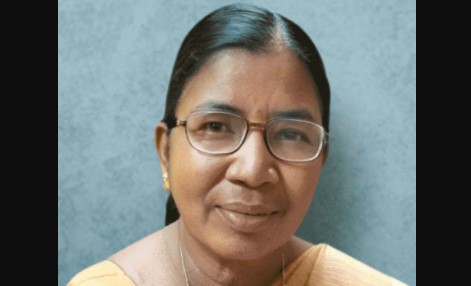
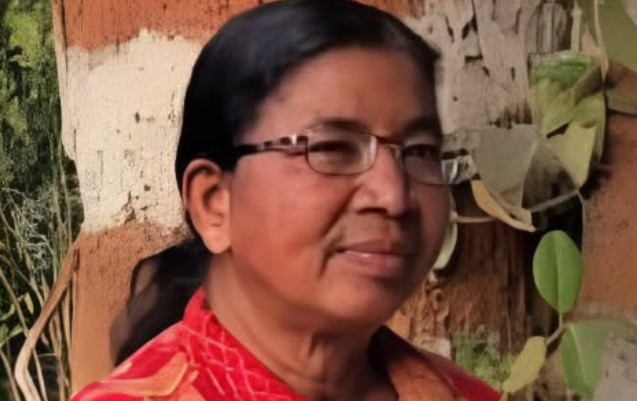
Dr. Budhri Tati, lovingly called “Badi Didi” by the people of Bastar, is one of India’s most inspiring social workers. In 2026, she was honoured with the Padma Shri, one of the country’s highest civilian awards, for her tireless service to tribal communities in Chhattisgarh. For more than four decades, she walked barefoot across dense forests and remote villages, bringing hope to thousands of families who had lived in isolation and poverty.
In regions where even government officials feared to enter due to Naxal violence, Dr. Tati chose to stay and work with the people. She believed that education, health, and empowerment were the keys to breaking the cycle of poverty and fear. Today, she is remembered not only as a social worker but also as a mother figure to countless children and women who found strength through her guidance.
Dr. Budhri Tati Age, Career, Family, Husband, Biography
| Attribute | Details |
|---|---|
| Full Name | Dr. Budhri Tati |
| Popularly Known As | Badi Didi (Elder Sister) |
| Profession | Social Worker, Grassroots Activist |
| Date of Birth | Not publicly documented (Born in Hiranar village, Dantewada, Chhattisgarh) |
| Place of Birth | Hiranar, Dantewada district, Chhattisgarh, India |
| Community | Tribal family (Mariya and Muria communities) |
| Early Life | Lost father in infancy; raised in hardship in Naxal-affected Bastar |
| Education | Studied at Ashram school under reformer Sada Premanand Maharaj |
| Inspirations | Influenced by Lakhmu Baba of Gurmagunda Ashram in the mid-1980s |
| Years Active | 1986 – Present (40+ years of service) |
| Major Work Areas | Tribal education, women’s empowerment, health awareness, welfare |
| Organisation Founded | Maa Shankhini Mahila Utthan Sanstha |
| Villages Covered | Walked across 570 villages in Bastar region |
| Key Initiatives | Hostels for tribal children, old-age home in Hiranar, orphan care, campaigns against liquor |
| Awards & Honours | Padma Shri (2026); 23+ honours including 3 national-level awards |
| Known For | Barefoot crusade across Bastar; grassroots activism in conflict zones |
Early Life and Background
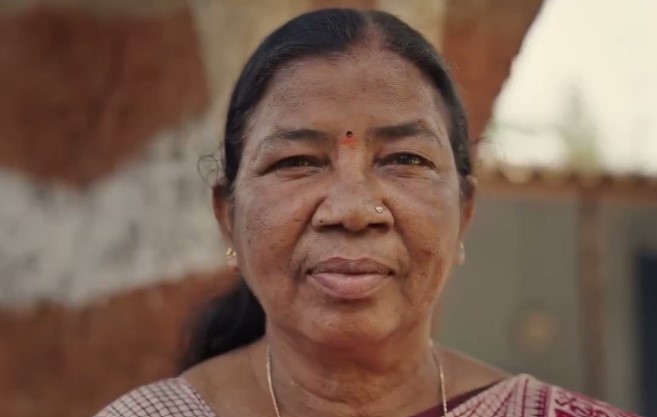
Dr. Tati was born in Hiranar village, Dantewada district of Chhattisgarh, in a tribal family belonging to the Mariya and Muria communities. Her childhood was marked by hardship. She lost her father when she was just an infant, and her mother struggled to raise her in a region where basic facilities like schools, hospitals, and roads were almost non-existent.
Dr. Budhri’s journey towards social work began with education. As a child, she studied at an ashram school run by reformer Sada Premanand Maharaj. Her inspiration grew stronger in the mid-1980s when she met Lakhmu Baba of Gurmagunda Ashram. He was a respected figure in Bastar who believed in serving people selflessly. His teachings left a deep mark on her.
Beginning of Social Work Journey
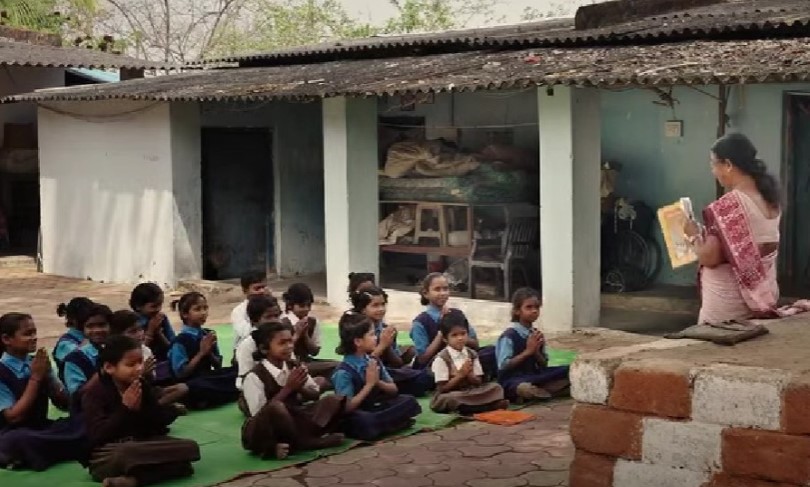
In 1986, Dr. Budhri began her mission. She started walking from village to village, speaking directly to families about the importance of education, health, and women’s empowerment. Naxal violence had severely impacted Bastar at the time, and numerous organizations had left the region. But she chose to stay. She believed that if she left, the people would lose hope.
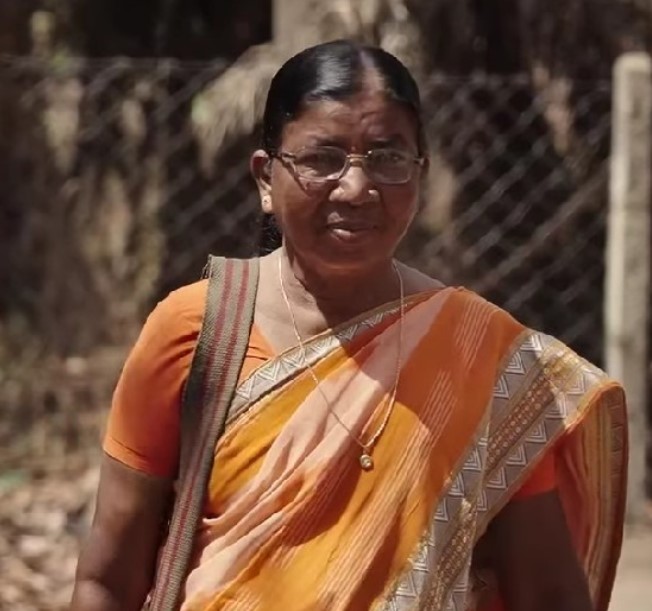
Villagers were suspicious of outsiders, and many resisted her ideas. Parents did not want to send their daughters to school, and men often dismissed her advice. But Dr. Tati was patient. She spent hours sitting with families, listening to their fears, and slowly convincing them that education could change their children’s lives.
The Barefoot Crusade
Dr. Budhri traveled through 570 villages in Bastar over the course of the following forty years. She travelled barefoot through forests, rivers, and hills, often carrying food and supplies for children. Her organisation, Maa Shankhini Mahila Utthan Sanstha, became a lifeline for tribal families. She set up residential hostels for children who lived too far from schools, ensuring they had a safe place to stay and study.
Her work was not limited to education. She also addressed issues like health, nutrition, and women’s livelihood. By living among the people and sharing their struggles, she became one of them. This closeness earned her the title “Badi Didi”, meaning elder sister. For the villagers, she was not just a social worker but a family member who cared for them deeply.
See Also:- Srinivasan Muralidhar (Justice)
Focus on Tribal Girls’ Education
One of Dr. Budhri Tati’s strongest missions was to ensure that tribal girls received education. In Bastar, many families believed that girls should stay at home, help with farming, or take care of younger siblings. She would sit with parents and explain how education could give their daughters a better future.
Her efforts slowly began to show results. Girls who once stayed at home started attending schools and hostels set up by her organisation. She believed that when a girl is educated, the entire family benefits. Over the years, she became a symbol of hope for young tribal girls who dreamed of becoming teachers, nurses, or social workers themselves.
Women’s Empowerment Initiatives
Dr. Budhri also worked tirelessly to empower women. She understood that women in tribal villages often had no financial independence. To change this, she trained them in skills like sewing, embroidery, and small-scale crafts. These skills allowed women to earn money and support their families.
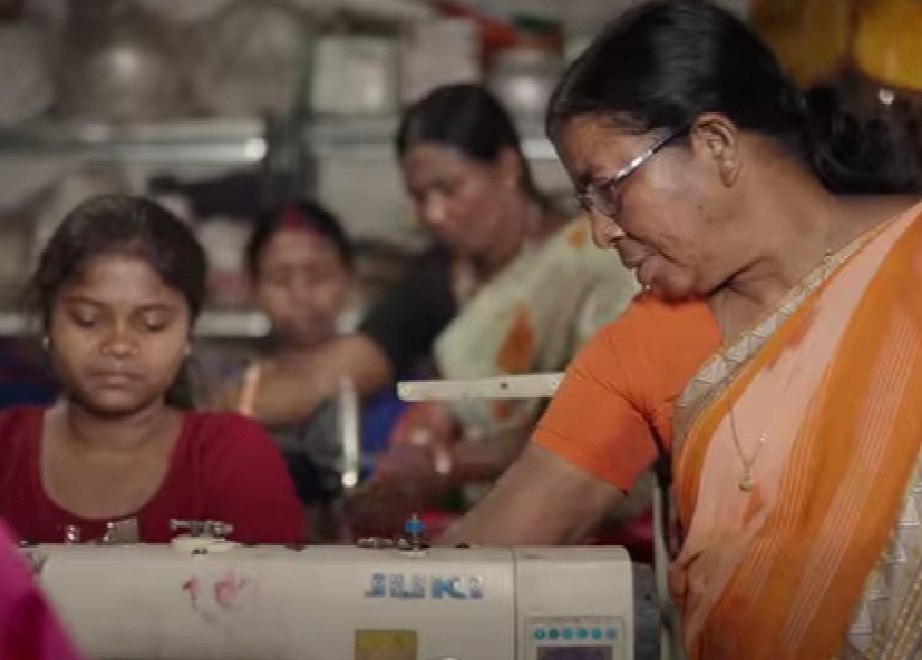
She also led campaigns against alcoholism, which was a major problem in Bastar. Many families suffered because men spent their earnings on liquor. Dr. Tati encouraged women to stand together and resist this practice. Her efforts helped reduce alcohol consumption in several villages. She also spoke against harmful superstitions and practices that kept women from living with dignity.
Health and Social Welfare Programs
Apart from education and empowerment, Dr. Budhri Tati focused on health and welfare. She organised awareness drives about nutrition, maternal health, and child care. She taught families the importance of balanced food and hygiene, which reduced illness among children.
She also set up an old-age home in Hiranar for elders who had no one to care for them. Many elderly people found shelter and dignity there. In addition, she took responsibility for orphaned tribal children, ensuring they had food, shelter, and education. These initiatives showed her deep compassion and commitment to every section of society.
Challenges and Risks Faced
Working in Bastar meant facing constant threats from both Naxal groups and local resistance. Many villages were deeply rooted in old traditions, and people were suspicious of outsiders. At times, she was even attacked while travelling through the Abujhmar region, known for its dense forests and conflict.
But she never allowed fear to stop her. She often said, “If I had feared that day, many women would still be living in darkness.” This simple but powerful statement shows her courage. She believed that her mission was bigger than her own safety. By standing firm, she gave confidence to villagers who had lived in fear for decades.
Recognition and Awards
In 2026, she was honoured with the Padma Shri by President Droupadi Murmu. This award was not just for her but for the entire tribal community she represented. It was a moment of pride for Bastar, where people celebrated her achievement as their own.
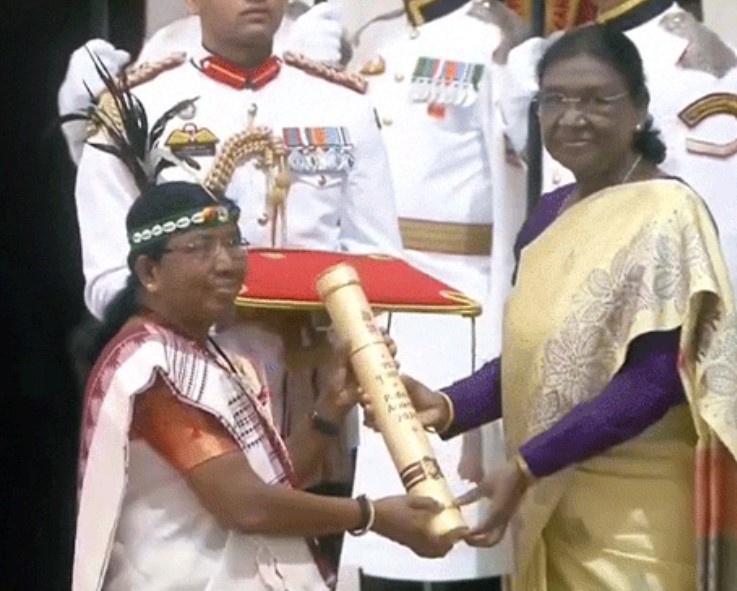
She has received more than 23 honours, including three national-level awards. Prime Minister Narendra Modi also praised her work, acknowledging her contribution to society. For someone who had spent her life walking barefoot across villages, these awards were a reminder that true service never goes unnoticed.
Interesting Facts & Trivia
- Dr. Budhri Tati is lovingly called “Badi Didi” (Elder Sister) by the people of Bastar.
- She has walked barefoot across 570 villages over four decades.
- She founded hostels and welfare centres without government aid, relying on community support.
- She led strong campaigns against liquor consumption, helping families save money and live healthier lives.
- She set up an old-age home in Hiranar for destitute elders.
- She took responsibility for orphaned tribal children, treating them as her own.
- She has received more than 23 honours, including three national awards, apart from the Padma Shri (2026).
Read Also:- Dhiraj Seth