
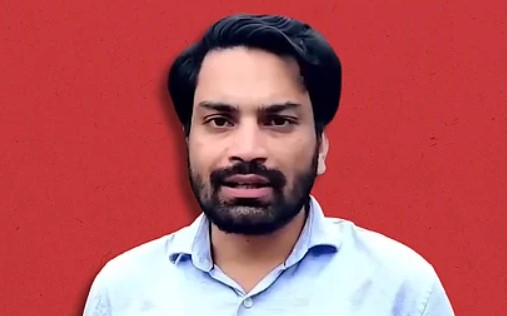
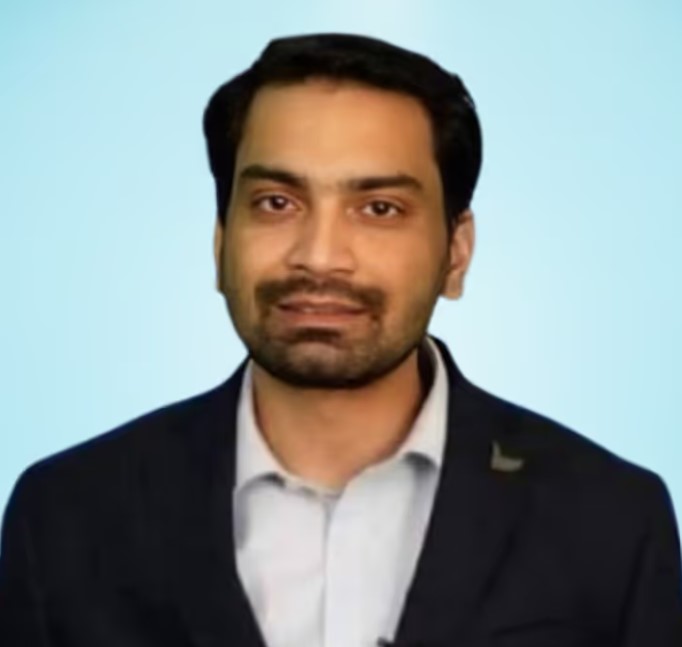
Rajeev Pratap was a 36-year-old journalist from Uttarkashi, Uttarakhand. He was known for running a small but impactful digital news channel called Delhi Uttarakhand Live. Through this platform, he reported on local issues like problems in hospitals, schools, and government offices—stories that often didn’t get attention from big media outlets.
Rajeev was an alumnus of the Indian Institute of Mass Communication (IIMC), one of India’s top journalism schools. He chose to work in his hometown, where he believed honest reporting could help bring change. His work was simple, direct, and focused on the truth. Many people respected him for speaking up about things that mattered.
Early Life and Education
Rajeev was born in 1989 in Uttarkashi, a quiet town in the northern state of Uttarakhand. He was 36 years old when he died in September 2025. His age matters because it shows how young he was—still in the middle of his career, still full of ideas, and still working hard to make a difference. He wasn’t someone who had retired or slowed down. He was active, alert, and deeply involved in his work.
Growing up in Uttarkashi shaped Rajeev’s view of the world. The town is known for its natural beauty, but it also has its share of problems—poor roads, limited healthcare, and schools that struggle to meet basic standards. Rajeev saw these issues firsthand. He didn’t just read about them in books or hear about them on TV. He lived them. That’s why his reporting felt so real. He wasn’t an outsider looking in. He was part of the community, and he cared deeply about it.
Academic Background: IIMC Alumnus
Rajeev’s journey into journalism took a big step forward when he joined the Indian Institute of Mass Communication (IIMC) in Delhi. IIMC is one of the top journalism schools in India. Getting in is not easy. It shows that Rajeev had both talent and drive. At IIMC, he learned the basics of reporting, writing, and editing. But more than that, he learned the importance of truth, fairness, and responsibility.
His time at IIMC gave him the tools he needed to become a professional journalist. It also connected him with other students who shared his passion. Many of his batchmates have spoken out after his death, calling for justice and a deeper investigation. That shows how much he was respected—not just in his hometown, but among fellow journalists across the country.
Rajeev Pratap Wiki | BIO
| Attribute | Details |
|---|---|
| Full Name | Rajeev Pratap Singh |
| Profession | Independent Journalist, Digital News Creator |
| Known For | Founder of Delhi Uttarakhand Live; investigative reporting in Uttarkashi |
| Date of Birth | 1989 |
| Age at Death | 36 years |
| Place of Birth | Uttarkashi, Uttarakhand, India |
| Education | Indian Institute of Mass Communication (IIMC), New Delhi |
| Spouse | Muskan Singh |
| Date of Disappearance | 18 September 2025 |
| Date Body Was Found | 28 September 2025 |
| Place Body Was Found | Joshiyara Barrage, Uttarkashi |
| Cause of Death | Internal injuries to chest and abdomen (as per postmortem) |
| Controversies | Alleged threats after reporting on hospital and school corruption |
| FIR Registered Under | BNS Section 140(3) – Abduction |
| Vehicle Found | Damaged Alto car in Bhagirathi River near Gangori |
| Investigation Status | Ongoing; SIT formed under Deputy SP Uttarkashi |
Career Beginnings
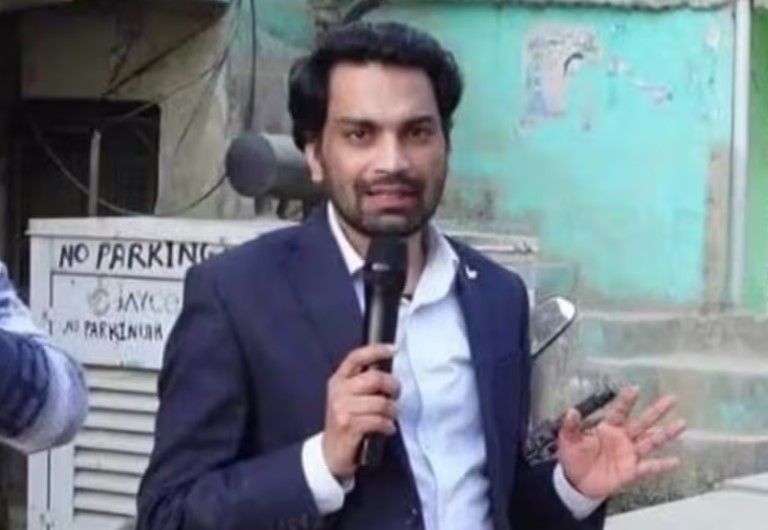
After finishing his studies, Rajeev didn’t chase big city jobs or high-paying roles. He returned to Uttarkashi. That decision says a lot about him. He wanted to serve his own people. He believed that small towns needed strong journalism just as much as big cities did. He started working as a local reporter, covering everyday issues—road repairs, school problems, hospital delays.
His early stories were simple but powerful. He didn’t use fancy words or dramatic headlines. He just told the truth. And people listened. Slowly, he built a reputation for being honest, brave, and committed. He wasn’t afraid to ask tough questions. He wasn’t afraid to speak up when something was wrong.
Delhi Uttarakhand Live: Mission and Impact
Rajeev launched Delhi Uttarakhand Live with a clear goal: to give voice to local issues that mainstream media often ignored. His channel wasn’t backed by big investors or flashy production. It was built on truth, grit, and a deep connection to the people of Uttarkashi. Rajeev believed that journalism should serve the public, not just chase headlines. His channel focused on everyday problems—broken roads, poor hospital care, school mismanagement, and local corruption.
The name itself—Delhi Uttarakhand Live—reflected his desire to bridge the gap between the capital and the hills. He wanted people in Delhi to know what was happening in Uttarakhand. And he wanted people in Uttarakhand to feel seen and heard. His channel became a trusted source for many locals who felt ignored by larger news outlets.
Investigative Reporting and Local Corruption
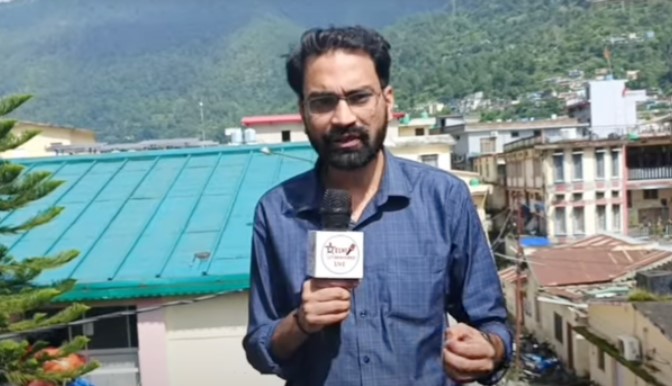
Rajeev’s reporting on the district hospital was a turning point. He filmed broken beds, empty medicine shelves, and patients waiting for hours without care. He spoke to families who had lost loved ones due to negligence. His video wasn’t just a report—it was a cry for help. And it hit a nerve.
Soon after, he published another video about a local school. He showed how funds meant for repairs had vanished. He interviewed students who sat on broken benches and teachers who hadn’t been paid in months. These stories were bold. They named names. And they demanded answers.
Threats and Intimidation
According to his wife Muskan, the threats began soon after Rajeev published his hospital report. He received calls telling him to delete the video. Some callers were polite. Others were not. Rajeev told his family that he felt anxious. He said he was being watched. He even considered taking the video down—but decided against it.
In the days leading up to his disappearance, the threats grew louder. Rajeev told Muskan that he was worried. He said he didn’t feel safe. On the night of September 18, he went out for dinner with a friend. That was the last time anyone saw him alive.
Muskan has been vocal since Rajeev’s death. She says he was abducted. She says he didn’t just crash his car. She says he was targeted. “He told me he was scared,” she said in an interview. “He said people were threatening him. And then he disappeared.”

See Also:- Petal Gahlot Biography: Husband, Age, Family, Education
Timeline of Disappearance
On the evening of September 18, 2025, Rajeev had dinner with a friend at Hotel Chauhan near the Uttarkashi bus stand. CCTV footage from that night shows Rajeev at the hotel around 10:24 p.m. and later at the bus stand at 11:20 p.m. At 11:22 p.m., he was seen driving his friend’s Alto car alone toward Ujeli. By 11:39 p.m., the car was captured crossing Gangori bridge. After that, there was no further footage of the vehicle at nearby petrol pumps or checkpoints.
This timeline has raised questions. Rajeev was last seen alone, driving late at night. His wife Muskan said she spoke to him around 11 p.m., and he seemed anxious. After 11:50 p.m., her messages stopped delivering. That was the last contact anyone had with him.
September 19: Car Found in Bhagirathi River
The next morning, Rajeev’s friend called emergency services and informed his family. A missing person report was filed. Police began searching immediately. On September 20, the damaged Alto car was found in the Bhagirathi River near Syun village, close to Gangori. The vehicle had fallen about 50–55 meters below the Gangotri highway. There were no crash barriers or parapet walls at the site.
Inside the car, one slipper was found. The keys were still in the ignition, which was in the “on” position. The car had been carried about 300 meters downstream by the river current. No body was found inside the vehicle. After ten days of intense search operations involving the police, SDRF, and NDRF teams, Rajeev’s body was recovered from the Joshiyara Barrage on September 28.
Search and Rescue Operations
From the moment Rajeev was reported missing, the Uttarkashi police launched a full-scale search. They were joined by the State Disaster Response Force (SDRF) and the National Disaster Response Force (NDRF). These teams used drones, dog squads, and river surveillance to track any signs of Rajeev or his vehicle.
The search was difficult. The Bhagirathi River was swollen due to recent rains. The terrain was steep and dangerous. But the teams worked day and night. They followed CCTV clues, interviewed witnesses, and combed through the riverbanks. Their efforts finally led to the discovery of Rajeev’s car and, later, his body.
Police Investigation and FIR
The missing person report was filed on September 19, just hours after Rajeev failed to return home. The police began tracking his last known movements using CCTV footage. They found that he had been driving alone and that his car had disappeared near Gangori. Based on this, they launched a search operation and began questioning witnesses.
As suspicions grew, especially from Rajeev’s family, the police registered an FIR under Section 140(3) of the Bharatiya Nyaya Sanhita (BNS), which deals with abduction. This was a major step. It meant the police were no longer treating the case as a simple accident. They were now investigating the possibility of foul play.
Uttarkashi Superintendent of Police Sarita Dobhal has been leading the investigation. She confirmed that Rajeev was last seen driving alone and that his car was found in the river. She said the postmortem showed internal injuries but no signs of assault. She also said the investigation is ongoing and that the family’s claims are being verified.
Postmortem Report and Cause of Death
The postmortem report of Rajeev revealed that he died due to internal injuries to his chest and abdomen. According to doctors, these injuries are consistent with those sustained during a car accident. There were no signs of external wounds or assault on his body. This finding led the police to suggest that Rajeev’s death was likely the result of a crash, possibly caused by his car falling into the Bhagirathi River.
However, the nature of the injuries has not silenced doubts. Internal trauma can occur in many ways, and without external bruises or cuts, it’s hard to rule out other possibilities. The report did not confirm drowning as the cause of death, which adds another layer of mystery. Rajeev’s body was found 10 days after the car was recovered, raising questions about how far it had drifted and whether it had been tampered with.
Read Also:- Shekhar Jyoti Goswami Biography: Age, Wife, Children, Family


