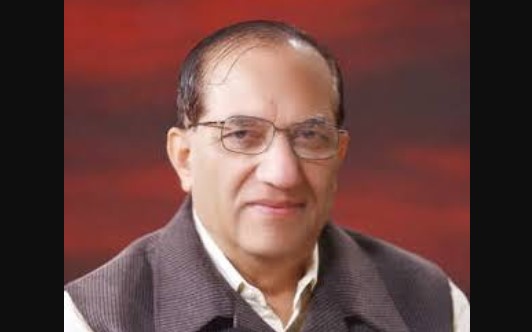
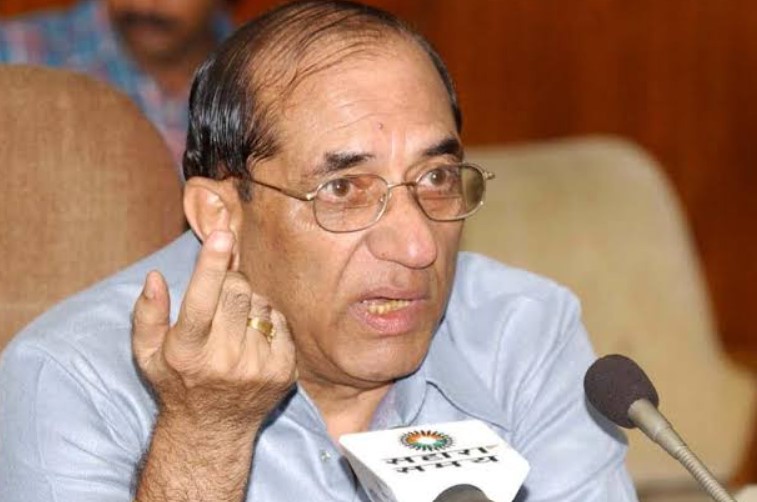
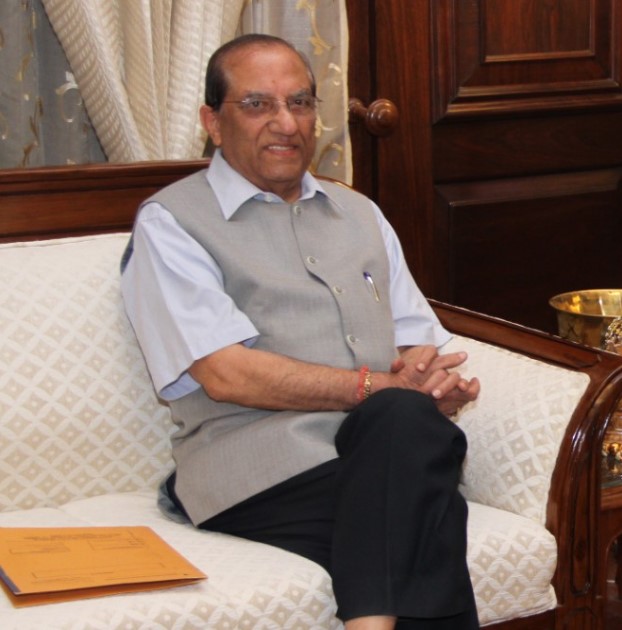
Vijay Kumar Malhotra was more than just a politician. He was a teacher, a writer, a sports administrator, and above all, a man who believed in serving society. Born in 1931, he lived through the most important phases of India’s history — from the freedom struggle to the rise of modern democracy. His journey was not limited to politics; he touched education, sports, and literature with equal passion.
For over six decades, Malhotra remained a familiar name in Delhi’s political circles. He was respected for his calm nature, his ability to connect with people, and his dedication to public life. Even after stepping away from active politics, he continued to inspire younger leaders and students. On September 30, 2025, Vijay Malhotra passed away at AIIMS in New Delhi due to an age-related disease.
Vijay Kumar Malhotra Age, Death, Wife, Family, BIO
| Attribute | Details |
|---|---|
| Full Name | Vijay Kumar Malhotra |
| Profession | Politician, Educationist, Sports Administrator, Writer |
| Date of Birth | 3 December 1931 |
| Age at Death | 93 years |
| Birthplace | Lahore, Punjab, British India |
| Nationality | Indian |
| Caste | Punjabi Hindu |
| Father | Dr. Khazan Chand Malhotra (Ayurveda Doctor) |
| Mother | Sushila Devi (Arya Samaj activist) |
| Siblings | Eldest among six |
| Wife | Krishna Malhotra (married on 9 May 1960) |
| Children | Ajay Kumar Malhotra (businessman), Anupama Malik (IT professional) |
| Grandchildren | Medha, Akshay, Aditya, Devika |
| Education | BA (Punjab University, 1949), MA Hindi (Hansraj College, 1951), Ph.D. Hindi Literature (Delhi University, 1986) |
| Academic Career | Professor at PGDAV College, Delhi University (35+ years) |
| Political Career | RSS & ABVP member; Delhi Municipal Corporation (1958, 1962); Chief Executive Councillor of Delhi (1967); Lok Sabha MP (1977, 1989, 1999, 2004); Leader of Opposition, Delhi Assembly (2008–2013) |
| Famous Election Win | Defeated Dr. Manmohan Singh in South Delhi (1999 Lok Sabha elections) |
| Parliamentary Roles | Chief Whip & Spokesperson of BJP; Member of Public Accounts, External Affairs, Transport & Tourism Committees |
| Sports Administration | President of Archery Association of India; Founder of Asian Archery Federation & Commonwealth Archery Foundation; Acting President of Indian Olympic Association (2011–2012) |
| Writing Contributions | Books: Lotus – An Eternal Cultural Symbol, Hindutva Shadyantron Ke Ghere Mein; Articles in newspapers & journals |
| Awards | Padma Bhushan (Posthumously, January 2026) |
| Net Worth (Approx) | ₹3.19 Crores (2024) |
| Death | 30 September 2025, AIIMS New Delhi (age-related illness) |
| @vkm.bjp/ | |
| Wikipedia | @Vijay_Kumar_Malhotra |
Early Life and Family Background
Vijay Kumar was born on 3 December 1931 in Lahore, Punjab, British India. He grew up in a middle-class Punjabi family that valued education and culture. His father, Dr. Khazan Chand Malhotra, was a respected Ayurveda doctor who believed in traditional Indian medicine. His mother, Sushila Devi, was deeply involved in Arya Samaj activities and encouraged her children to follow moral values.
He was the eldest among six siblings, which meant he carried the responsibility of setting an example for the younger ones. Growing up in Lahore during the pre-independence era shaped his personality.
Education and Academic Achievements
Malhotra was a bright student from the beginning. He completed his Bachelor of Arts in 1949 from Punjab University Camp College at just 18 years of age, which was considered remarkable at that time. He then pursued Master of Arts in Hindi from Hansraj College in 1951, showing his deep interest in literature and language.
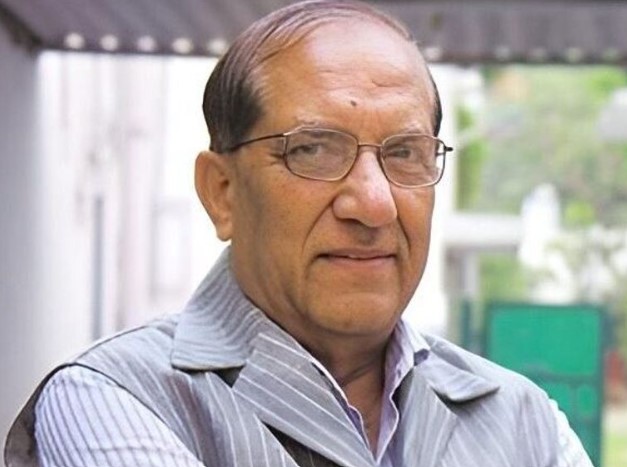
In 1986, he earned a Ph.D. in Hindi Literature from Delhi University. His doctoral thesis was on the famous poet Sohan Lal Dwivedi, which reflected his passion for Indian culture and poetry. Alongside his studies, he began teaching at PGDAV College, Delhi University, where he worked as a professor for more than 35 years.
Personal Life: Wife and Children
Behind the public figure, Vijay Malhotra was a family man. He married Krishna Malhotra on 9 May 1960, and together they built a strong and supportive household. His wife stood by him through the ups and downs of political life, offering stability and encouragement.
The couple had two children — Ajay Kumar Malhotra, who became a businessman, and Anupama Malik, who pursued a career in IT. His grandchildren — Medha, Akshay, Aditya, and Devika — were a source of joy in his later years. Malhotra loved spending time with them, often playing chess, badminton, or carrom.
See Also:- Sharmila Dhankar
Political Journey: From Jana Sangh to BJP
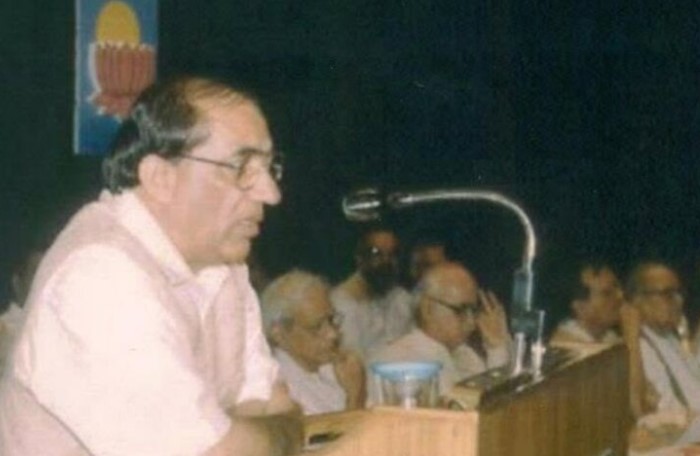
Vijay Malhotra’s political journey began in the early 1950s when he joined the Rashtriya Swayamsevak Sangh (RSS) and later became active in the Akhil Bharatiya Vidyarthi Parishad (ABVP). His early involvement in student politics gave him the confidence to speak for ordinary people. In 1953, he was arrested during the Jammu and Kashmir movement alongside Dr. Shyama Prasad Mukherji, which showed his courage and commitment even at a young age.
By 1958, Malhotra had entered mainstream politics. In 1962, he was elected again to the Delhi Municipal Corporation. His rise was steady, and in 1967, he became the youngest Chief Executive Councillor of Delhi, a position similar to today’s Chief Minister. This achievement made him a household name in Delhi politics.
National Politics and Parliamentary Career
Malhotra’s influence was not limited to Delhi. He was elected to the Lok Sabha multiple times — in 1977, 1989, 1999, and 2004. One of his most memorable victories came in 1999 when he defeated future Prime Minister Dr. Manmohan Singh in the South Delhi constituency. This win was seen as a major political moment, highlighting his strong connection with voters.
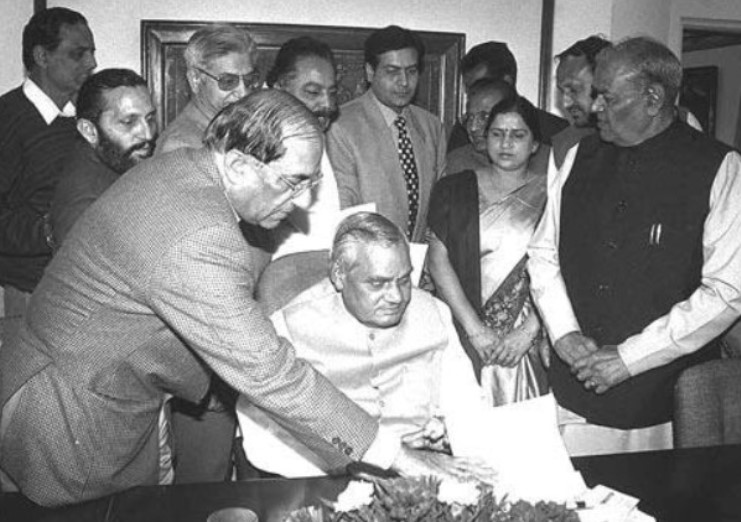
In Parliament, Malhotra served on important committees such as Public Accounts, External Affairs, and Transport & Tourism. In addition, he served as the BJP’s Chief Whip and Spokesperson, which allowed him to significantly influence the party’s voice in the Lok Sabha. Colleagues often described him as disciplined, soft-spoken, and deeply committed to parliamentary traditions.
Role in Sports Administration
He served as the President of the Archery Association of India for several decades. Under his leadership, archery grew from a niche sport to one that gained recognition at national and international levels. He was also the founder of the Asian Archery Federation and the Commonwealth Archery Foundation, which helped India build strong ties with other countries in the sport.
In 2011, Malhotra became the Acting President of the Indian Olympic Association (IOA). His tenure was short but significant, as he worked to restore credibility to the organization during a difficult period. He strongly believed that sports could unite communities and provide opportunities for youth, especially in tribal areas.
Contributions as a Writer and Thinker
Vijay Malhotra was not only a politician and teacher but also a writer who believed in the power of words. He wrote several books that reflected his interest in Indian culture, politics, and philosophy. Some of his well-known works include Lotus – An Eternal Cultural Symbol and Hindutva Shadyantron Ke Ghere Mein.
Apart from books, Malhotra regularly contributed articles and columns to newspapers and journals. His writing style was simple yet thoughtful, making complex ideas easy to understand for ordinary readers. He often wrote about history, mythology, Vedic literature, and comparative religion. His ability to connect cultural themes with everyday life made his work stand out.
Awards and Recognition
Over his long career, Malhotra received many honors, but the most prestigious came towards the end of his life. In January 2026, he was awarded the Padma Bhushan, one of India’s highest civilian awards. This recognition was given posthumously, acknowledging his lifelong contributions to politics, education, and sports.
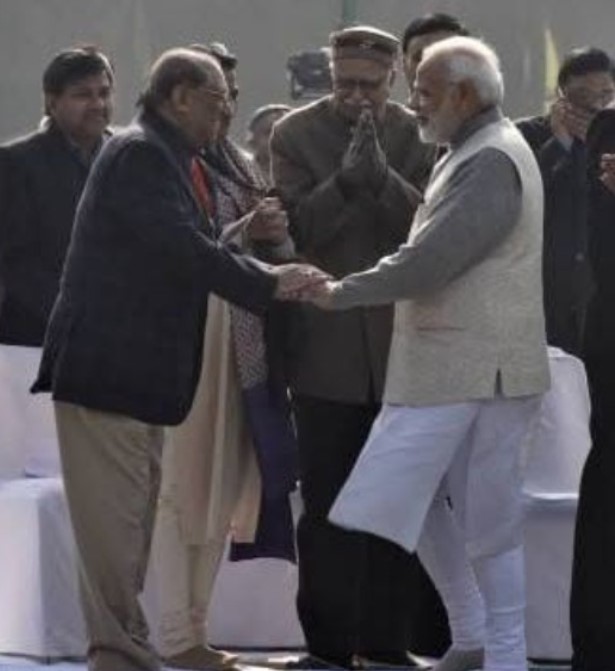
The award was seen as a fitting tribute to a man who had dedicated more than six decades to public service. His family, colleagues, and admirers celebrated the honor, remembering him as someone who never sought fame but always worked with sincerity. The Padma Bhushan added a final chapter of respect to his already rich legacy.
Death and Legacy
Vijay Malhotra passed away on 30 September 2025 at AIIMS, New Delhi, after suffering from age-related illness. He was 93 years old at the time of his death. His passing marked the end of an era in Delhi politics, where he had been a familiar face for decades.
Leaders across party lines paid tribute to him, remembering his calm nature and his dedication to public life. For many, his legacy was not just about the positions he held but about the values he represented — honesty, discipline, and service. His contribution to sports, especially archery, was also highlighted, showing that his influence went beyond politics.
Read Also:- Suri Noelle