Sharif Osman Hadi’s name became widely known in Bangladesh during the last few years. He was not only a teacher and writer but also a strong political activist who spoke for young people. Born in 1993, Hadi lived only 32 years, but his short life left a big mark on his country. His journey from a small-town boy to a national figure shows how one person’s voice can inspire many.
Hadi rose to fame during the July Uprising of 2024, a student-led movement that changed Bangladesh’s political scene. He became the spokesperson of Inqilab Moncho, a platform that demanded sovereignty and justice. His speeches were bold, his ideas were sharp, and his courage made him a symbol of resistance. Sadly, his life ended in December 2025 after he was shot by unknown attackers in Dhaka.
Sharif Osman Hadi Wiki, Age, Career, Death, Family
| Attribute | Details |
|---|---|
| Full Name | Sharif Osman Bin Hadi (birth name: Osman Goni) |
| Popularly Known As | Sharif Osman Hadi |
| Date of Birth | 30 June 1993 |
| Place of Birth | Nalchity, Jhalakathi, Barisal, Bangladesh |
| Date of Death | 18 December 2025 |
| Place of Death | Singapore (after being shot in Dhaka, Bangladesh) |
| Age at Death | 32 years |
| Cause of Death | Assassination (gunshot wounds, motorcycle attack on 12 December 2025) |
| Nationality | Bangladeshi |
| Religion | Islam |
| Parents | Father: Maulana Abdul Hadi (imam, madrasa teacher) Mother: Taslima Hadi |
| Siblings | Five brothers and sisters |
| Marital Status | Unmarried |
| Education | Jhalakati NS Kamil Madrasa University of Dhaka |
| Profession(s) | Lecturer (University of Scholars, Dhaka) Writer Political Activist |
| Political Role | Spokesperson of Inqilab Moncho during July Revolution (2024) |
| Major Work | Book: The Eastern Sky Turned Red Amaranth (2024) |
| Known For | Student activism, nationalist speeches, opposition to Awami League |
| Burial Place | Mausoleum of Kazi Nazrul Islam, Dhaka |
| Wikipedia | @Osman_Hadi |

Early Life and Background
As per the sources, Sharif Hadi was born on 30 June 1993 in Nalchity, Jhalakathi district of Bangladesh. His birth name was Osman Goni, but later he became known as Sharif Osman Bin Hadi. He grew up in a religious and modest family. His father, Maulana Abdul Hadi, was an imam and madrasa teacher, while his mother Taslima Hadi managed the household.
Hadi studied at Jhalakati NS Kamil Madrasa in Barisal, where he received a strong religious and academic foundation. Later, he joined the University of Dhaka, one of the most prestigious institutions in Bangladesh. His education shaped his worldview and gave him the skills to speak, write, and lead.
Family and Personal Life
Sharif Osman came from a large family with five siblings. His upbringing was simple, and he remained close to his parents and brothers throughout his life. Despite his growing fame, he kept his personal life private. He was unmarried at the time of his death, and his focus remained on activism, teaching, and writing.

Religion played an important role in his life. Coming from a Muslim family, Hadi often used religious values in his speeches and writings. He believed that faith and nationalism could work together to build a just society. His family background gave him strength, but it also made him a target of criticism from opponents who saw him as too radical.
Academic and Professional Career
Sharif Osman Hadi began his professional journey as a teacher. After completing his higher studies at the University of Dhaka, he joined the University of Scholars in Dhaka as a lecturer in business subjects. His students often remembered him as a passionate teacher who explained complex topics in simple words.
Teaching gave him a platform to connect with young minds. Many of his students later said that Hadi encouraged them to think critically and question authority. His classroom was not just about textbooks; it was also about discussions on justice, freedom, and the future of Bangladesh.
See Also:- Tylor Chase (Former Actor)
Entry into Politics and Activism
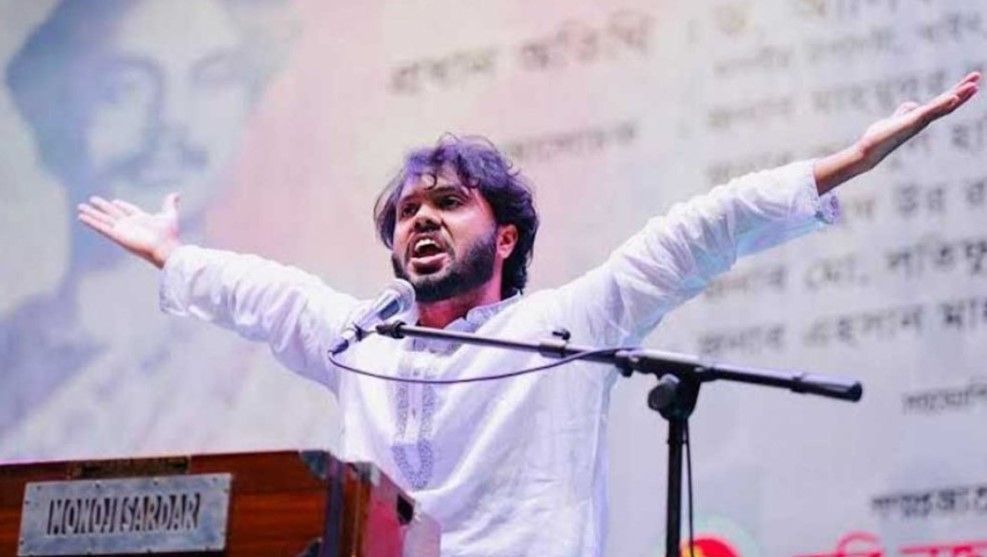
Hadi’s political journey began during the July Revolution of 2024, a student-led uprising against the ruling Awami League government. The movement was sparked by anger over corruption, unemployment, and foreign influence in Bangladesh’s politics. Hadi quickly became one of the most visible faces of the protests. His speeches at Shahbagh Square and other rallies drew large crowds.
He was chosen as the spokesperson of Inqilab Moncho, a platform that united students and activists under one banner. His words were direct and emotional, often mixing religious values with nationalist ideas. He spoke about sovereignty, justice, and the need to resist foreign control. For many young people, Hadi became a symbol of courage.
Political Journey
After the July Revolution, Hadi’s political career grew quickly. He organized marches, sit-ins, and rallies across Dhaka. One of the most memorable events was the march to the Secretariat, where thousands of students demanded reforms. Hadi also made headlines with his controversial remarks. In one speech, he spoke about Gopalganj, the home district of Prime Minister Sheikh Hasina, in a way that many considered offensive.
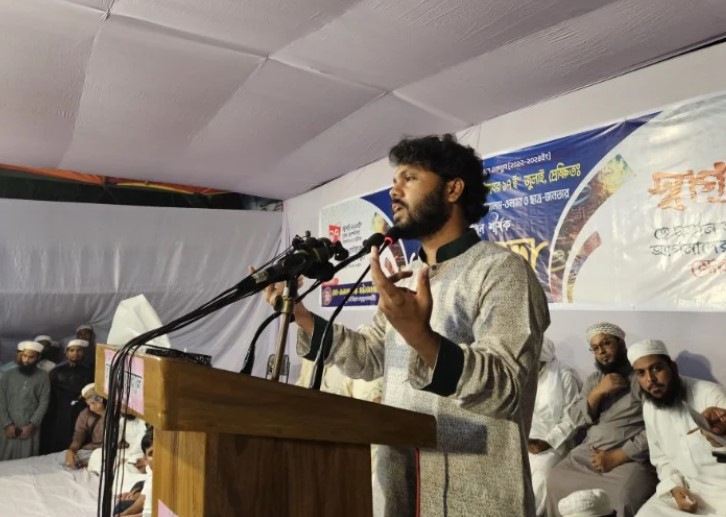
By 2025, Hadi had announced his plan to contest the Dhaka-8 constituency in the upcoming 2026 elections. This move signaled his shift from activism to formal politics. His campaign was expected to be tough, as he faced strong opponents from established parties. Still, his popularity among students and young voters gave him hope.
Literary Contributions
Apart from politics, Hadi was also a writer. In 2024, he published a book titled “The Eastern Sky Turned Red Amaranth.” The book combined his thoughts on nationalism, religion, and justice. It was written in a style that was easy to understand, which made it popular among students and activists.
His writings showed another side of his personality. While his speeches were fiery and emotional, his book was more reflective. He used stories, metaphors, and simple language to explain complex ideas. For many readers, the book was not just about politics but also about hope and faith.
Death and Assassination
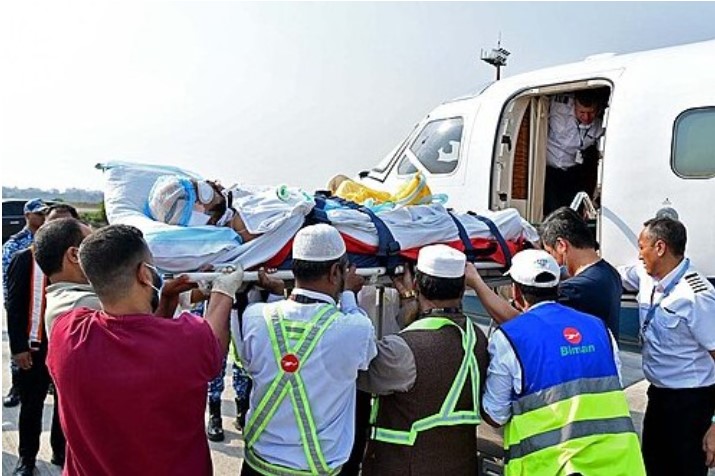
The most tragic part of Hadi’s story came in December 2025. On 12 December, while riding his motorcycle in Dhaka, he was attacked by gunmen. He was shot and rushed to hospital, but his injuries were severe. After a few days of treatment, he was flown to Singapore for advanced care. Sadly, he died on 18 December 2025.
After Sharif Hadi’s death on 18 December 2025, the nation entered a period of mourning. His funeral prayers were held at the Jatiya Sangsad Bhaban, the national parliament building in Dhaka. Thousands of people gathered to pay their respects. His body was later buried at the Mausoleum of Kazi Nazrul Islam, a place reserved for national figures.
Interesting and Lesser-Known Facts
- Before entering politics, Hadi worked as a lecturer and was loved by his students for his simple teaching style.
- He was very active on social media, with thousands of followers on Instagram, Facebook, and YouTube. His videos often went viral.
- His speeches were bold and sometimes controversial. One of his remarks about Gopalganj created a storm in the media.
- He had received death threats before his assassination, but he refused to stay silent.
- There was confusion about his funeral prayers, with some reports wrongly claiming they were held in Singapore. In reality, they took place in Dhaka.
Read Also:- Lagnajita Chakraborty (Singer)