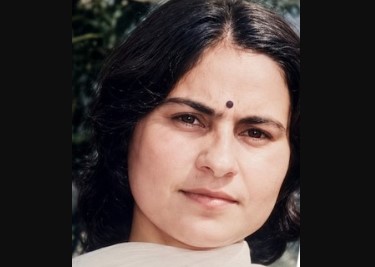
Sarla Bhat’s name is remembered with deep pain and respect in the history of Kashmir. Born in 1963, she was a bright young woman who chose to dedicate her life to serving others as a nurse. Her story is not just about her profession but also about courage, sacrifice, and tragedy. In April 1990, she became one of the earliest victims of militancy in Kashmir, and her death marked a turning point for the Kashmiri Pandit community.
Her life was short, but her memory continues to live on. For many, Sarla represents the countless innocent lives caught in the storm of insurgency. Her biography is not only about her personal journey but also about the larger story of Kashmir during one of its darkest times.
Sarla Bhat Age, Death, Family, Career, BIO
| Attribute | Details |
|---|---|
| Full Name | Sarla Bhat |
| Birth Year | 1963 |
| Birthplace | Qazi Bagh mohalla, Anantnag, Jammu & Kashmir, India |
| Community | Kashmiri Pandit (Brahmin family) |
| Father | Shambhu Nath Bhat (school teacher) |
| Education | Bachelor’s in English Literature (Govt. College, Anantnag); B.Sc. Nursing |
| Profession | Nurse (worked in neonatology ward, Srinagar hospital) |
| Marital Status | Unmarried (chose to support family) |
| Abduction Date | 15 April 1990 |
| Death Date | 19 April 1990 |
| Place of Death | Mallabagh‑Omer Colony Road, Srinagar |
| Cause of Death | Torture and murder by militants; “JKLF” carved on body |
| Funeral | Attacked with grenades; ashes desecrated |
| Aftermath | Family forced to migrate; symbol of Kashmiri Pandit exodus |
| Investigation | Case filed in 1990 under IPC & TADA; ignored for decades |
| Case Revival | Transferred to Special Investigation Agency (SIA) in March 2024 |
| Chargesheet Filed | 29 June 2026 against five accused, including separatist leader Yasin Malik |
Early Life and Background
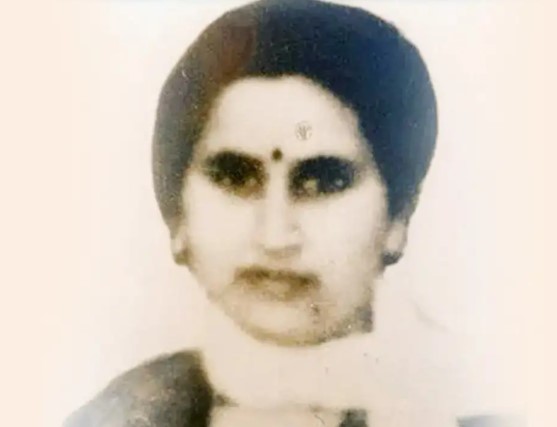
In the Jammu & Kashmir town of Qazi Bagh Mohalla, Anantnag, Sarla Bhat was born in 1963. She belonged to a Kashmiri Pandit Brahmin family. Her father, Shambhu Nath Bhat, was a respected school teacher, known for his discipline and dedication to education. Sarla grew up in a Hindu‑majority locality, surrounded by traditions and values that shaped her character.
Her childhood was simple, marked by the warmth of family and the cultural richness of the Valley. Being the eldest child, she carried responsibilities early in life. Friends and relatives often described her as kind‑hearted, intelligent, and deeply committed to her family’s well‑being.
Education Journey
Sarla was academically gifted. She first pursued a Bachelor’s degree in English Literature from Government College, Anantnag. Her love for learning reflected her desire to explore both arts and sciences. Later, she decided to study Nursing, earning a Bachelor of Science degree in the field. This choice showed her determination to serve society and help those in need.
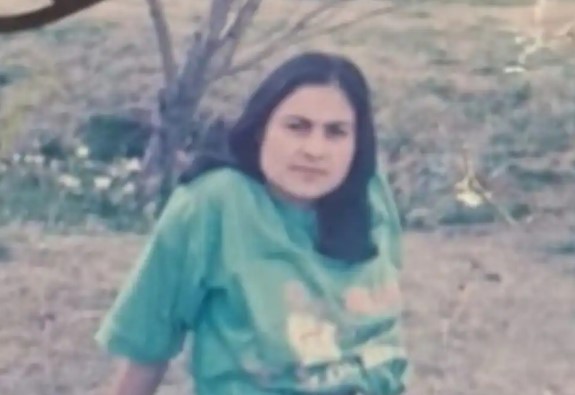
Her education was not just about personal growth but also about responsibility. Being the oldest daughter, she aspired to have a secure job that would allow her to provide for her family. Nursing was a profession that combined compassion with service, and Sarla embraced it wholeheartedly.
Career as a Nurse
By the late 1980s, Sarla was working as a nurse in hospital settings. Reports suggest she was posted in the neonatology ward, where she cared for newborns and mothers. Her colleagues admired her dedication and gentle nature. Despite the growing unrest in Kashmir, she continued her work with courage.
Her career was more than just a job. It was a calling. In a time when fear was spreading across the Valley, Sarla’s presence in the hospital was a reminder of humanity and service. She chose to remain in her profession even when threats against Kashmiri Pandits were rising.
Personal Life Choices
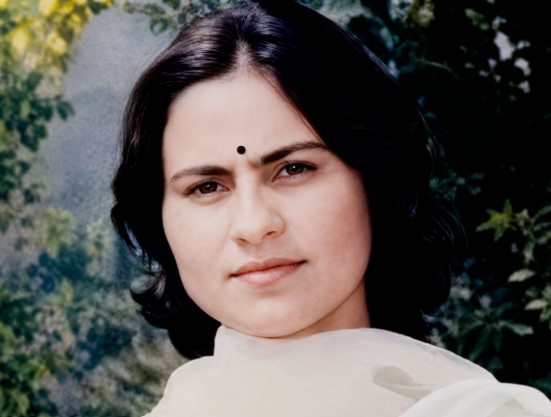
Sarla made a remarkable personal decision. She chose to remain unmarried, dedicating her life to her family. Her cousin, PK Bhat, later recalled that she refused marriage proposals because she wanted to support her parents and siblings. This sacrifice reflected her selfless nature.
As the eldest child, she carried the weight of responsibility. She believed her duty was to stand by her family during difficult times. Her choice was unusual for a young woman of her age, but it showed her strength and commitment. Sarla’s life was guided by values of duty, compassion, and sacrifice.
See Also:- Syed Amin Tabish
Kashmir in the Late 1980s
To understand Sarla’s story, we must look at the Kashmir of the late 1980s. The Valley was going through a period of unrest. Militancy was rising, and fear was spreading among the Kashmiri Pandit community. Many families began to feel unsafe in their own homes. Threats, attacks, and intimidation became common.
For young professionals like Sarla, life was especially difficult. She was working in Srinagar at a time when Hindu families were being targeted. Yet she continued her duty as a nurse. Her courage stood out, but the environment around her was becoming more dangerous every day. The situation was tense, and her family worried about her safety.
Abduction and Murder (April 1990)
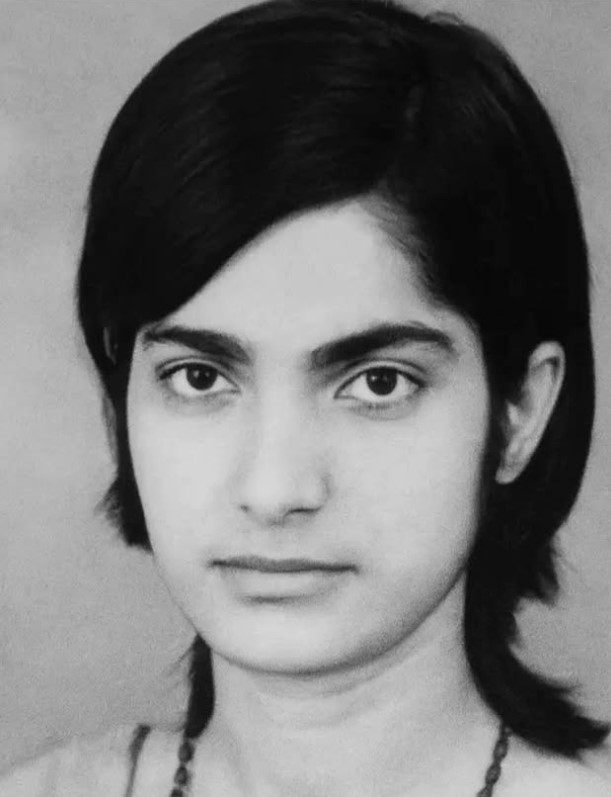
The most tragic part of Sarla’s life came in April 1990. On 15 April 1990, she was kidnapped from her hostel in Srinagar. Reports later revealed that she was tortured during captivity. Witnesses and investigators said she was subjected to brutal assault.
On 19 April 1990, her body was found on Mallabagh‑Omer Colony Road in Srinagar. The militants left a chilling note, accusing her of being a police informer. The letters “JKLF” were carved on her body, pointing to the involvement of the Jammu and Kashmir Liberation Front. Her death shocked the entire community. It was not just a murder; it was a message of fear to Kashmiri Pandits.
Funeral and Aftermath
Even after her death, Sarla’s family faced unimaginable pain. When they tried to perform her last rites, militants attacked the funeral with grenades. Her ashes were desecrated, and the family was forced to flee. This incident became one of the turning points in the mass migration of Kashmiri Pandits from the Valley.
Her relatives later recalled how neighbours also left soon after. The fear was so strong that families abandoned their homes overnight. Sarla’s death symbolised the vulnerability of women and the helplessness of the community. It was a tragedy that left scars for generations.
Investigation and Legal Proceedings
Sarla’s case did not receive the proper attention for many years. A police complaint was filed in 1990 under the Indian Penal Code and TADA, but the case was ignored. It was not treated as a high‑profile matter, and justice seemed far away.
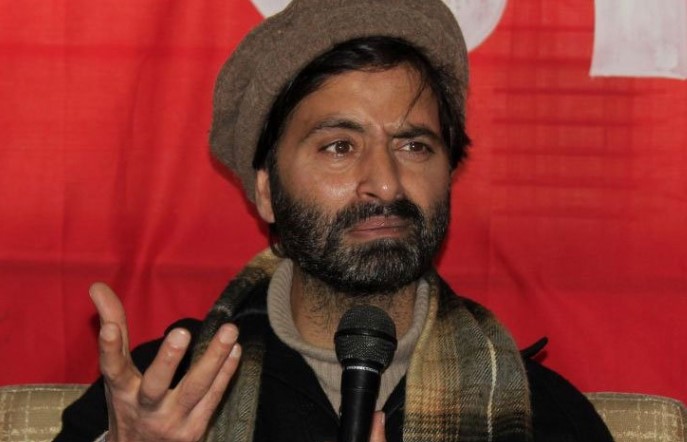
In March 2024, the case was transferred to the Special Investigation Agency (SIA). In August 2025, raids were conducted in Srinagar, including homes of suspected JKLF militants. By June 2026, investigators identified suspects. Three were already dead, one had escaped to Pakistan, and others were still alive. On 29 June 2026, the SIA filed a chargesheet against five accused, including Mohammad Yasin Malik, a separatist leader. This step brought new hope that justice might finally be served, even after 36 years.
Lesser Known Facts
- She earned two bachelor’s degrees – one in English Literature and another in Nursing.
- She worked in the neonatology ward, caring for newborns.
- She chose to remain unmarried to support her family.
- On 15 April 1990, she was kidnapped from her hostel in Srinagar.
- On 19 April 1990, her body was found with “JKLF” carved on it.
- Her death accelerated the mass migration of Kashmiri Pandits.
- In 2024, her case was reopened by the Special Investigation Agency.
- In June 2026, a chargesheet was filed against five accused, including Yasin Malik.
Read Also:- Dr Vatsala Aggarwal