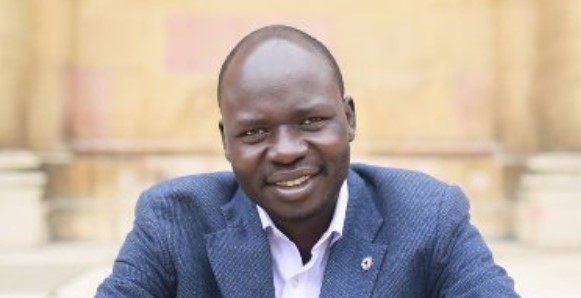
Peter Biar Ajak is one of the most recognised names in South Sudan’s modern history. Born in 1983, he grew up during one of the most difficult times in his country. His life story is not just about politics or activism; it is about survival, hope, and the dream of building a better future for his people. Today, he is known worldwide as a peace activist, economist, and scholar. His journey from a child soldier to a respected intellectual shows how determination can change a person’s destiny.
In recent years, Peter has been in the news not only for his work in peace and democracy but also for controversies. In February 2026, he was sentenced in the United States for violating arms export laws. This incident has added another chapter to his already complex life. Still, his story remains important because it reflects the struggles of South Sudan, a country that continues to search for peace and stability.
Peter Biar Age, Career, Wife, Family, Biography
| Attribute | Information |
|---|---|
| Full Name | Peter Biar Ajak |
| Date of Birth | 21 November 1983 |
| Age (as of Feb 2026) | 42 years |
| Place of Birth | Bor, South Sudan |
| Nationality | South Sudanese |
| Profession | Peace activist, economist, scholar |
| Education | – Central High School, Philadelphia – BA Economics, La Salle University (2007) – MPA International Development, Harvard Kennedy School (2009) – PhD Politics & International Studies, Cambridge University |
| Wife | Nyathon Hoth Mai (married in 2010) |
| Children | Three (two sons, one daughter) |
| Career Roles | – World Bank Economist (2009) – Senior Advisor to Minister of National Security (2011) – Researcher at International Growth Centre |
| Institutions Founded | – South Sudan Wrestling Entertainment (2010) – Center for Strategic Analyses and Research (2012) – South Sudan Young Leaders Forum (2017) – Red Army Foundation |
| Awards & Fellowships | – Atlantic Council Millennium Fellow (2016) – Archbishop Desmond Tutu Leadership Fellowship (2016) – Crans Montana Forum’s New Leader for Tomorrow Award |
| Arrest & Imprisonment | Arrested July 2018 in Juba, sentenced to 2 years, pardoned January 2020 |
| Exile | Relocated to U.S. in 2020 after threats in Kenya |
| Controversy | Pleaded guilty in U.S. arms export case (Feb 2026), sentenced to 46 months |
| Publications | – South Sudan’s Capability Trap (2013) – State Formation and Humanitarianism (2015) – Considering the State (2016) – Doctoral thesis: Building on Sand |
| @peter-biar-ajak-a6b6a432/ | |
| Wikipedia | @Peter_Biar_Ajak |
| @PeterBiarAjak/ | |
| YouTube | @peterbiarajak3414/ |
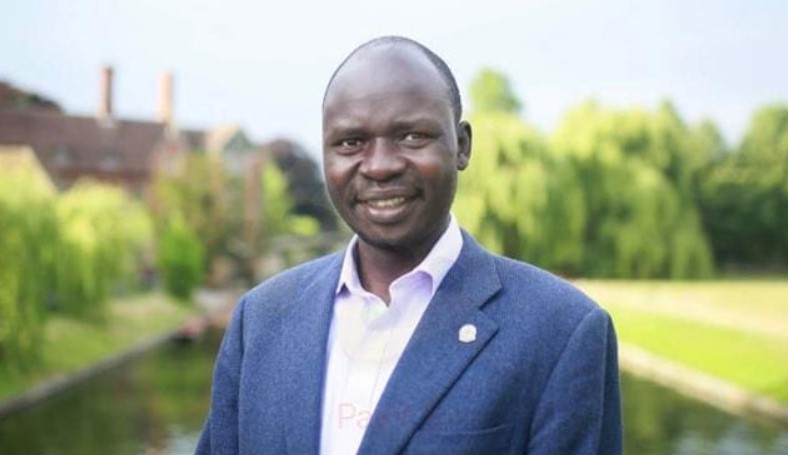
Early Life in Bor, South Sudan
Peter was born to his parents on 21 November 1983 in Bor, a town in South Sudan. His childhood was shaped by war. When he was only six years old, the Second Sudanese Civil War forced him to leave his home. Like thousands of other children, he became part of the Red Army of South Sudan, a group of young boys trained during the conflict.
After leaving Bor, Peter Biar lived in refugee camps in Ethiopia and later in Kenya. Life in these camps was extremely difficult. Food was scarce, and many children suffered from diseases. Yet, these experiences gave him strength and shaped his desire to fight for peace later in life. He became one of the famous “Lost Boys of Sudan,” a group of displaced children who were eventually resettled in different countries.
Education: From Refugee to Scholar
After arriving in the United States at the age of 16, he was placed in Central High School in Philadelphia. For a boy who had spent years in refugee camps, this was a completely new world. In 2007, Peter graduated with a Bachelor’s degree in Economics from La Salle University.
His academic journey did not stop there. In 2009, he earned a Master of Public Administration in International Development from Harvard Kennedy School. This was a big achievement, as Harvard is one of the most respected universities in the world.
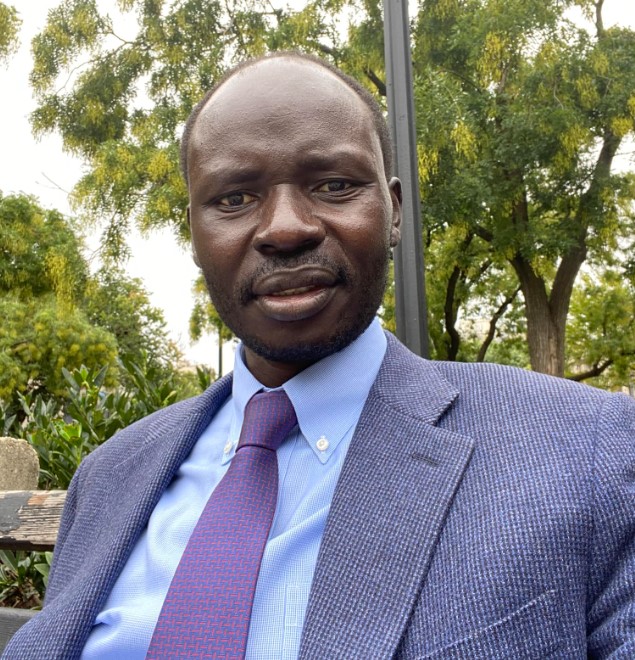
Later, he went on to complete a PhD in Politics and International Studies from Cambridge University. He made history by being the first South Sudanese national to graduate with a PhD from Cambridge. His doctoral thesis, titled Building on Sand: SPLM/A and State Formation in South Sudan, explored how the ruling party in South Sudan struggled to build a stable state.
Family Life: Wife and Children
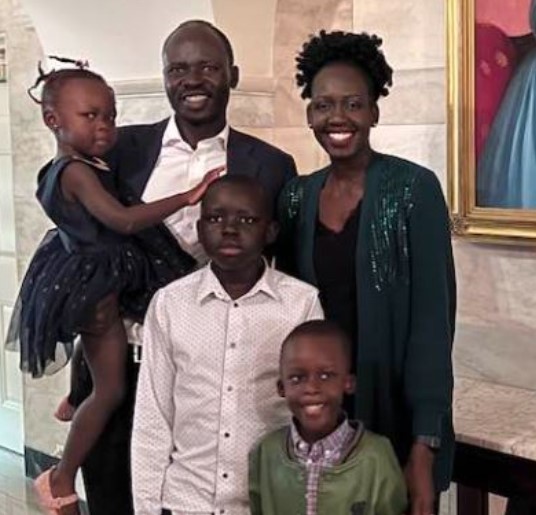
Behind Peter Biar’s public life is a strong family that has stood by him through every challenge. In 2010, he married Nyathon Hoth Mai, a woman who has been his partner in both good and difficult times. They have three kids together: a girl and two sons.
His family has faced many struggles because of his activism. When Peter was arrested in South Sudan in 2018, his wife and children had to live with fear and uncertainty. They worried about his safety and whether he would ever be released. Later, when threats against his life grew stronger, the family had to leave Africa and move to the United States in 2020.
See Also:- Ilhan Eroglu
Career Beginnings: Economist and Policy Advisor
After completing his studies, Peter returned to South Sudan with a strong desire to help his country. In 2009, he joined the World Bank as an in-country economist. This was a very important role because South Sudan was preparing for independence, and the country needed experts to guide its economic future. He worked on the South Sudan Development Plan and the Vision 2040 strategy, which aimed to build a strong foundation for growth.
His work at the World Bank gave him valuable experience in policy-making. Later, he became a Senior Advisor to the Minister of National Security after South Sudan gained independence in 2011. In this role, he was involved in shaping national policies and advising leaders on how to manage security and development. He also worked with the International Growth Centre (IGC), where he focused on research and policy solutions for South Sudan’s economy.
Founding Institutions and Youth Engagement
He established the South Sudan Wrestling Entertainment (SSWE) in 2010. Wrestling is a traditional sport in South Sudan, and he used it as a way to bring communities together. Through wrestling matches, he promoted peace and cultural pride. In 2012, he established the Center for Strategic Analyses and Research (C-SAR), an independent think tank.
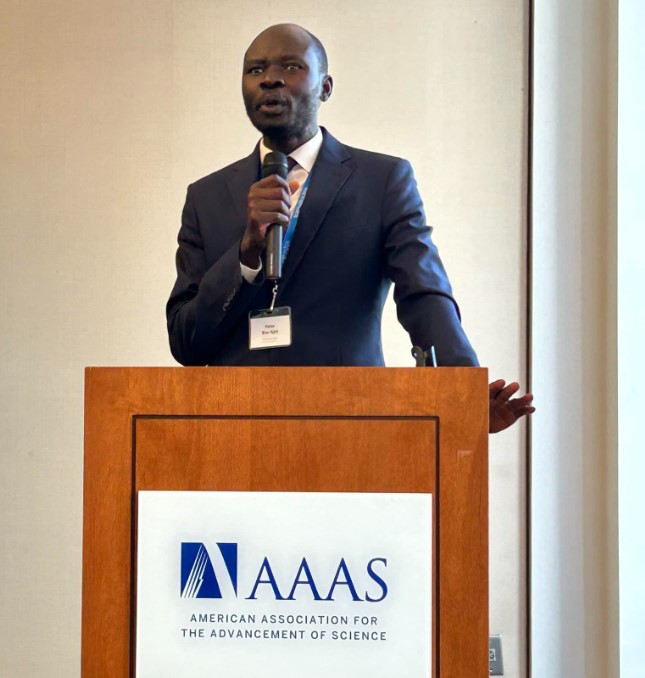
Later, in 2017, he co-founded the South Sudan Young Leaders Forum (SSYLF). This forum was designed to encourage generational leadership change. He also played a role in the Red Army Foundation, which was an association of veterans from the civil war. Through this foundation, he worked to preserve the history of the Red Army and support its members.
Recognition and Global Fellowships
In 2016, he was named an Atlantic Council Millennium Fellow, a program that brings together young leaders from around the world who are working to solve global challenges. That same year, he was also awarded the Archbishop Desmond Tutu Leadership Fellowship. This fellowship is given to African leaders who show courage and vision in their work.
He also received the Crans Montana Forum’s New Leader for Tomorrow Award in Brussels. This award highlighted his role as a young leader who was shaping the future of South Sudan. In addition, he became a Visiting Fellow at the Africa Center for Strategic Studies and a Reagan-Fascell Democracy Fellow.
Arrest and Imprisonment in South Sudan
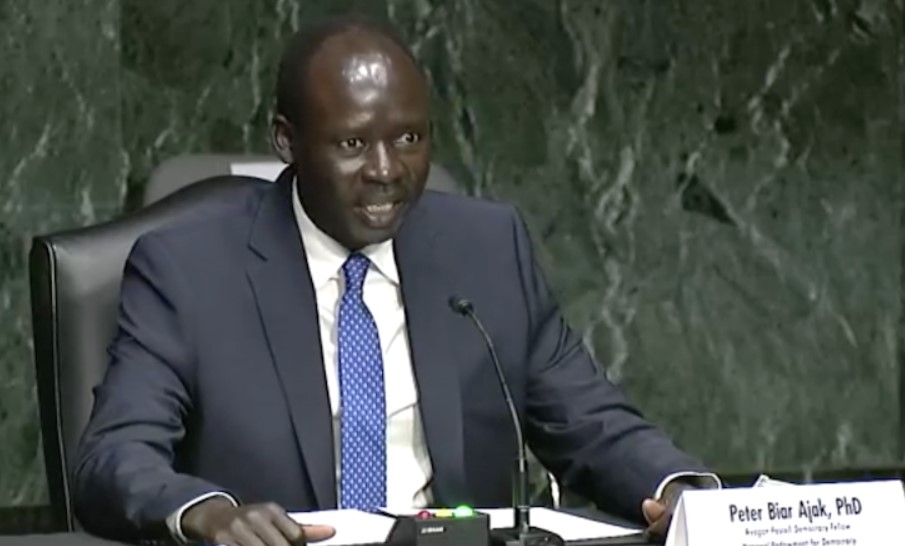
On 28 July 2018, he was arrested at Juba International Airport. The authorities accused him of inciting rebellion and spreading false information. He was taken to the Blue House prison, a place known for its harsh conditions.
Life in prison was extremely difficult. He was denied food, medical care, and even visits from his family. Yet, he continued to speak out. During a protest inside the prison in October 2018, he played a key role in negotiating peace between the prisoners and the guards.
In June 2019, he was convicted and sentenced to two years in prison. His arrest drew international attention, with human rights groups and foreign governments calling for his release. Finally, in January 2020, he was granted a presidential pardon and released.
Controversy: U.S. Arms Export Case
In recent years, Biar’s name has been linked to a major controversy. In March 2024, the U.S. Department of Justice filed a complaint against him and another South Sudanese activist, Abraham Chol Keech. They were accused of violating U.S. arms export laws. According to the charges, they had tried to send weapons to South Sudan without proper approval.
The case shocked many of his supporters. For years, Peter Biar had been seen as a peace activist, but now he was facing allegations of plotting a coup against the South Sudanese government. In February 2026, both men pleaded guilty. Peter was sentenced to 46 months in prison, while Keech received 41 months.
Read Also:- Eric Dane