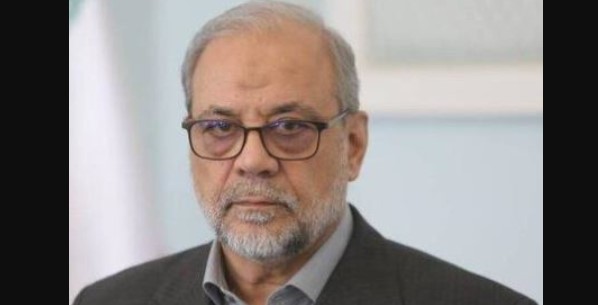
Mohammad Bagher Zolghadr is one of the most influential names in Iran’s political and military history. Born in 1954, he has lived through the country’s most turbulent decades, from the fall of the Shah to the rise of the Islamic Republic. Today, in March 2026, he serves as the Secretary of the Supreme National Security Council, a position that places him at the heart of Iran’s security and foreign policy decisions.
His journey is not ordinary. Zolghadr began as a militant activist before the 1979 Islamic Revolution, later rising through the ranks of the Islamic Revolutionary Guard Corps (IRGC). Over the years, he has held key roles in the military, judiciary, and government. His career reflects the deep ties between Iran’s armed forces and its political system.
Mohammad Bagher Zolghadr Career, Age, Wife, Family, BIO
| Attribute | Details |
|---|---|
| Full Name | Mohammad Bagher Zolghadr |
| Date of Birth | 1954 |
| Age (as of 2026) | 72 years |
| Place of Birth | Fasa, near Shiraz, Iran |
| Nationality | Iranian |
| Education | Bachelor’s in Economics, University of Tehran |
| Occupation | Politician, Military Commander, Author |
| Military Service | Islamic Revolutionary Guard Corps (1979–2010) |
| Rank | Brigadier General |
| Major Roles | Deputy Commander of IRGC, Deputy Interior Minister, Deputy Judiciary Chief, Secretary of Expediency Council, Secretary of Supreme National Security Council |
| Political Affiliation | Conservative, linked with IRGC and Ansar-e Hezbollah |
| Spouse | Sedigheh Begum Hejazi (Politician, former Director-General of Women & Family Affairs) |
| Children / Family | Daughter married to Kazem Gharibabadi (Iranian diplomat) |
| Known For | Hardline views, strong IRGC influence, strategic policymaking |
| Publications | Qesse-ye Ghorbat-e Gharbi (“The Tale of Western Estrangement”) |
| Current Position | Secretary of the Supreme National Security Council (March 2026–present) |
| Wikipedia | @Mohammad_Bagher_Zolghadr |
Early Life and Roots
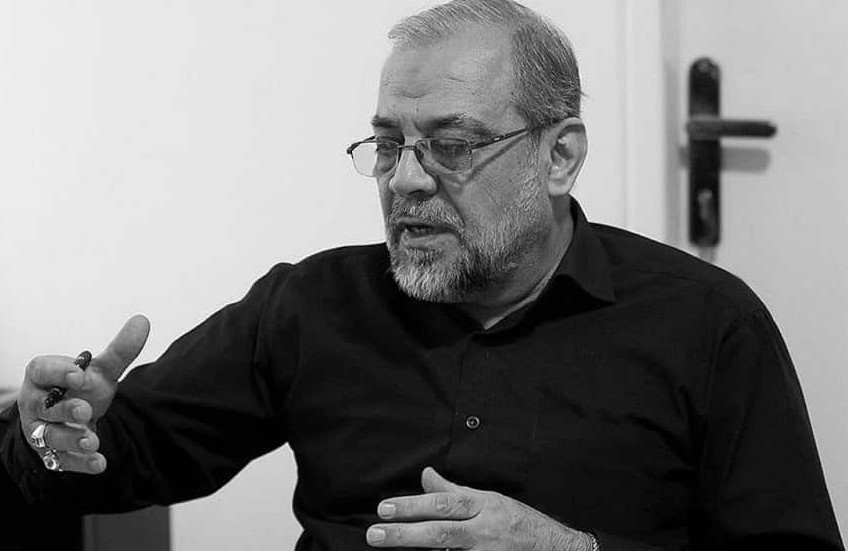
Mohammad Bagher Zolghadr was born in Fasa, near Shiraz, Iran, in 1954. Growing up in the 1960s and 1970s, he witnessed a country struggling under the rule of Shah Mohammad Reza Pahlavi. Many young Iranians at the time were drawn to revolutionary ideas, and Zolghadr was no exception.
He pursued higher education at the University of Tehran, where he studied economics. His academic background gave him an understanding of Iran’s social and financial challenges, but his passion was always political activism. University campuses in Iran during the 1970s were hotbeds of revolutionary thought, and Zolghadr became deeply involved in underground movements that opposed the monarchy.
Involvement in Pre-Revolution Activities
Before the Islamic Revolution of 1979, Zolghadr was part of the Mansourun guerrilla group, one of several militant organizations fighting against the Shah’s regime. These groups often carried out armed operations, and Zolghadr’s name is linked to one of the most controversial incidents of that era—the 1978 killing of an American engineer and an oil company manager in Iran.
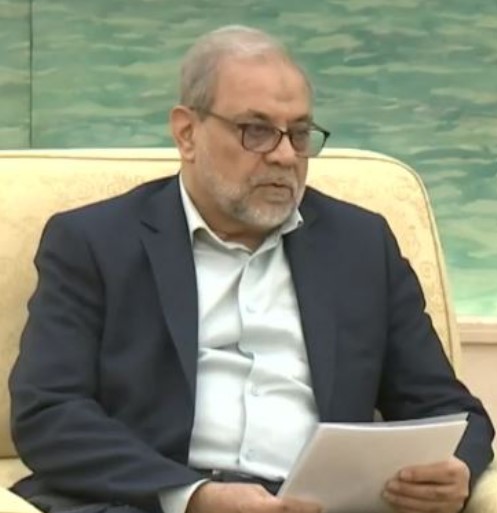
By the late 1970s, he had also joined the Mojahedin of the Islamic Revolution Organization, a group that played a major role in mobilizing support for the revolution. His militant background gave him credibility among hardliners, and after the Shah was overthrown in 1979, Zolghadr quickly became part of the new power structure.
Role in the Islamic Revolution
When the Islamic Revolution swept across Iran in 1979, Mohammad Bagher Zolghadr was already deeply involved in underground movements. His earlier ties with the Mojahedin of the Islamic Revolution Organization gave him a strong base among activists who wanted to replace the monarchy with an Islamic system.
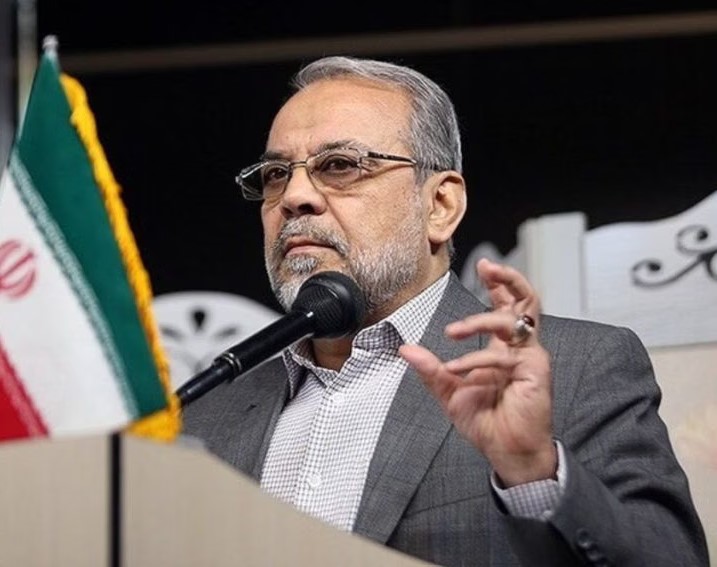
After the Shah was overthrown, Zolghadr quickly became part of the new ruling structure. He was seen as someone who had proven his loyalty through years of militant struggle. His revolutionary background made him a natural fit for the Islamic Revolutionary Guard Corps (IRGC), which was formed to protect the new Islamic Republic.
See Also:- Alisha Rai
Military Career in the IRGC
He quickly rose through the ranks, holding important positions such as co-head of the IRGC’s educational division and later commander of the Irregular Warfare Headquarters. During the Iran–Iraq War (1980–1988), he played a key role in organizing irregular warfare strategies. He also commanded the Ramazan Headquarters, which was responsible for cross-border operations.
His leadership during the war earned him respect among hardliners and helped him rise to the rank of Brigadier General. By the early 2000s, Zolghadr had become the Deputy Commander of the IRGC, one of the most powerful positions in Iran’s military structure. His career in the IRGC lasted until 2010, giving him more than three decades of military experience.
Political and Administrative Roles
In 2005, under President Mahmoud Ahmadinejad, he was appointed Deputy Interior Minister for Security Affairs. He was also one of the co-founders of Ansar-e Hezbollah, a conservative paramilitary group known for its loyalty to the Islamic Republic. This group often acted as a pressure force against reformist movements, showing Zolghadr’s commitment to hardline policies.
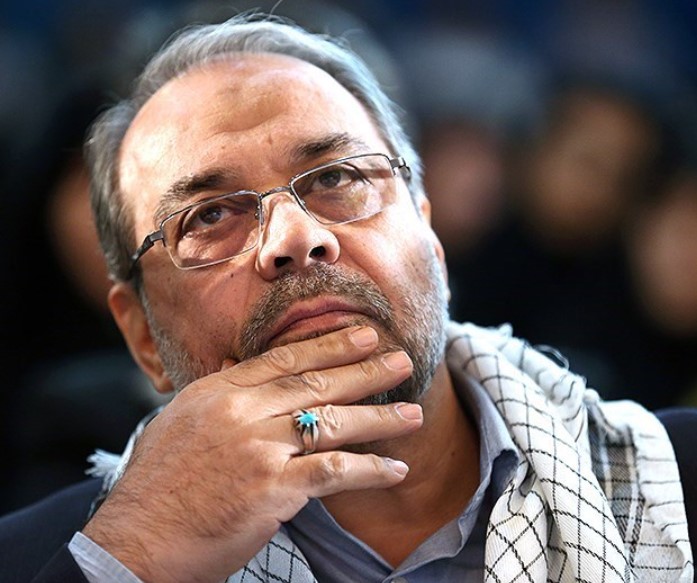
In 2007, he became the Deputy Chief of the General Staff for Basij-related affairs, further strengthening his ties with Iran’s paramilitary forces. His political career showed that he was not just a military commander but also a strategist who wanted to shape Iran’s internal security policies.
Judicial Career and Strategic Influence
After decades in the military and political system, Mohammad Bagher Zolghadr moved into the judiciary. In 2010, he became an advisor to Sadeq Larijani, who was then the Chief Justice of Iran. This marked the beginning of his influence in Iran’s legal system.
By 2012, Zolghadr was appointed as the Deputy Judiciary Chief for Strategic Affairs. In this role, he was responsible for shaping long-term policies within the judiciary. His background in the IRGC gave him a unique perspective, and he often pushed for stronger measures against dissent and opposition.
Expediency Council and Supreme National Security Council
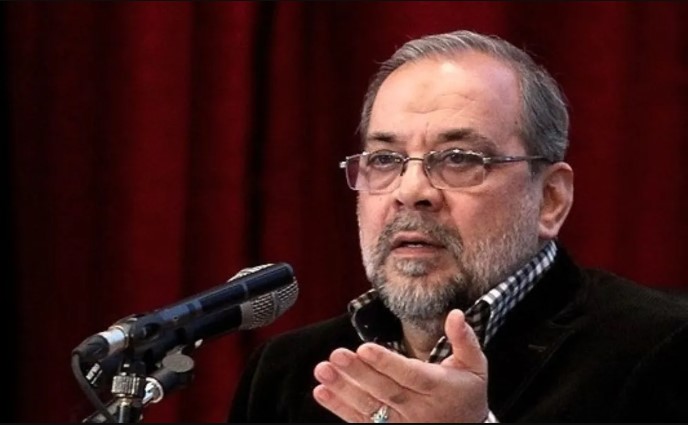
In 2021, Zolghadr was appointed as the Secretary of the Expediency Council, a powerful body that resolves disputes between Iran’s parliament and the Guardian Council. This position gave him direct influence over Iran’s legislative process.
His career reached a new peak in March 2026, when he was named the Secretary of the Supreme National Security Council (SNSC). This appointment came after the assassination of Ali Larijani, the previous secretary. As head of the SNSC, Zolghadr now oversees Iran’s national security policies, including its response to international conflicts.
Personal Life and Family
Beyond his political and military career, Zolghadr’s personal life also reflects his deep ties to Iran’s ruling system. He is married to Sedigheh Begum Hejazi, a politician who once served as the Director-General of Women and Family Affairs. Her career shows that the family is deeply involved in Iran’s political life.
Their daughter married Kazem Gharibabadi, a well-known Iranian diplomat who represented Iran in Vienna. This connection further strengthens Zolghadr’s influence, as his family is linked to both domestic politics and international diplomacy.
Read Also:- Bimal Oberoi