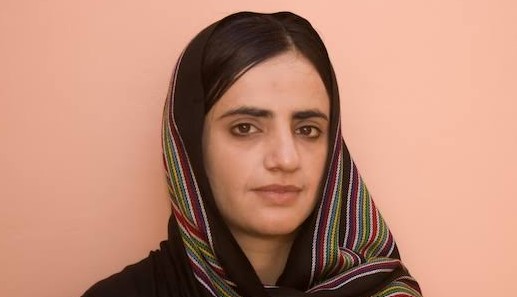
Mahrang Baloch is one of the most powerful voices to emerge from Pakistan’s troubled province of Balochistan. Born on 1 January 1993, she is not only a qualified doctor but also a fearless human rights activist. Over the years, she has become the face of the Baloch Yakjehti Committee (BYC), a grassroots movement that campaigns against enforced disappearances and violence in the region.
Her journey is not ordinary, but it is a story of courage, sacrifice, and determination. From losing her father to political violence to leading thousands in peaceful marches, Mahrang has shown that one person’s voice can inspire an entire community. Today, she is recognized globally for her activism, yet her roots remain deeply tied to the struggles of her people.
Mahrang Baloch Age, Family, BIO, Career, Religion
| Attribute | Details |
|---|---|
| Full Name | Dr. Mahrang Baloch |
| Date of Birth | 1 January 1993 |
| Age (as of July 2026) | 33 years |
| Birthplace | Mangocher, Balochistan, Pakistan |
| Tribe / Ethnicity | Langove tribe, Baloch |
| Nationality | Pakistani |
| Profession | Doctor (MBBS), Human Rights Activist |
| Education | Government Girls High School, Quetta (2011); Government Girls Degree College, Quetta Cantt (2013); MBBS from Bolan Medical College |
| Known For | Leading figure of the Baloch Yakjehti Committee (BYC); campaigns against enforced disappearances |
| Father | Abdul Gaffar Langove (political activist, killed in 2011) |
| Mother | Social activist (name not widely publicized) |
| Siblings | Brother: Nasir Baloch (activist); Sisters: Nadia Baloch (advocate), Iqya Baloch (activist) |
| Major Activism | Student protests (2020), Baloch Long March (2023), Baloch Raji Muchi gathering (2024) |
| Global Recognition | TIME100 NEXT (2024), BBC 100 Women (2024), Nobel Peace Prize nomination (2025) |
| Arrests & Trials | Arrested in March 2025 during Quetta protest; faced Anti‑Terrorism Court charges |
| Conviction | Sentenced to life imprisonment in June 2026 in Gwadar protest case |
| Awards & Support | International recognition; supported by Malala Yousafzai and human rights groups |
| @mahrangbaloch__/ | |
| Wikipedia | @Mahrang_Baloch |
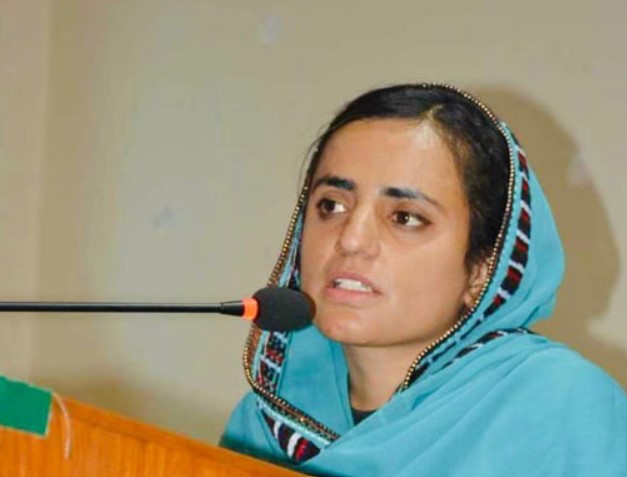
Early Life and Roots
On 1 January 1993, Mahrang was born in Mangocher, Balochistan, into the Langove tribe. Her childhood was shaped by the unrest and political instability that has long defined the region. Growing up in a place where disappearances and violence were common, she witnessed firsthand the pain of families searching for their loved ones.
Unlike many children who dream of simple futures, Mahrang’s early years were marked by tragedy. Her father, a political activist, was repeatedly detained by authorities. These experiences planted the seeds of resistance in her heart. Even as a teenager, she understood that silence was not an option when injustice was everywhere.
Family and Influences
Family played a central role in shaping Mahrang’s path. Her father, Abdul Gaffar Langove, was a well-known activist who faced repeated arrests. In 2011, he was killed, leaving behind a legacy of struggle that deeply influenced his daughter. His death became a turning point in her life, pushing her further into activism.
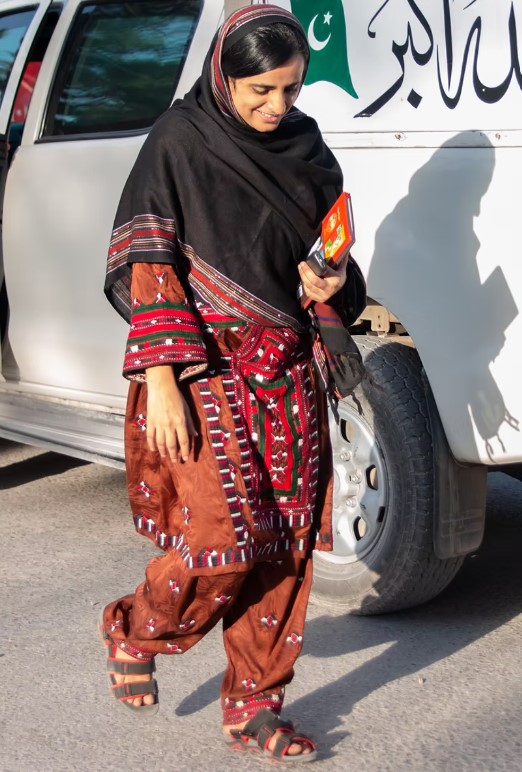
Her mother also stood strong, supporting her children despite the hardships. Mahrang’s siblings have also been active in social causes. Her brother, Nasir Baloch, is a human rights activist, while her sisters Nadia Baloch (an advocate) and Iqya Baloch (an activist) have also taken part in campaigns. Together, the family represents resilience in the face of oppression.
Education and Medical Career
Despite the challenges at home, Mahrang Baloch pursued education with determination. She studied at Government Girls High School, Quetta (2011) and later at Government Girls Degree College, Quetta Cantt (2013). Her academic journey led her to Bolan Medical College, where she earned her MBBS degree.
Becoming a doctor was not just a career choice; it was a way to serve her people. Even while studying medicine, she was deeply involved in activism. Her dual role as a doctor and activist gave her credibility among the youth, who saw her as someone balancing professional success with social responsibility.
See Also:- Akash Makhija
Entry into Activism
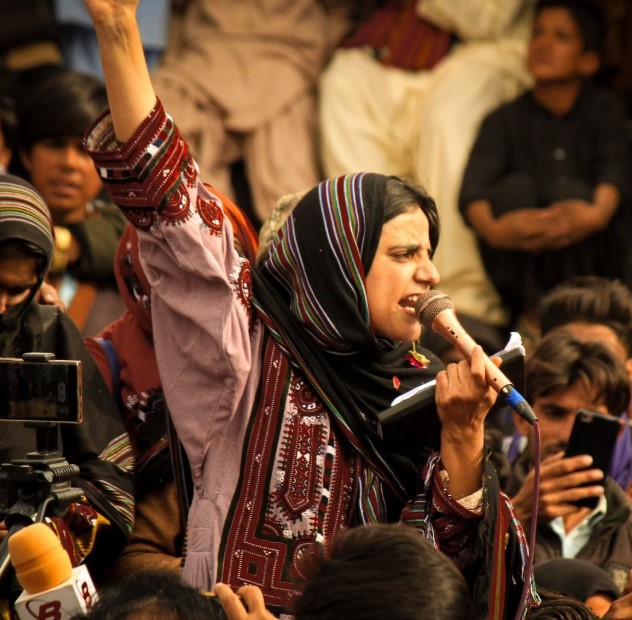
Mahrang’s activism began early. At just 16 years old, she started speaking out against injustices after her father was detained. His death in 2011 only strengthened her resolve. She began organizing campaigns to highlight the issue of enforced disappearances, a problem that continues to haunt Balochistan.
Her activism was not limited to speeches. She took part in protests, hunger strikes, and marches, often risking her safety. For her, activism was not a choice but a duty. She believed that if she remained silent, the sacrifices of her father and countless others would be forgotten.
Student Protests and Rise to Prominence
Mahrang’s activism gained wider attention during the 2020 student protests at Bolan Medical College. The government had proposed removing the quota system that allowed students from remote areas of Balochistan to secure admission. For many young people in the province, this quota was the only chance to access higher education.
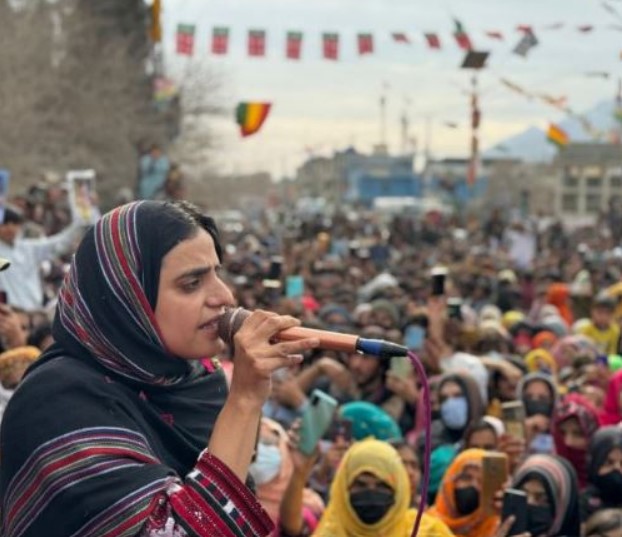
Mahrang stood at the front of the protests. She organized hunger strikes, sit-ins, and rallies. Her determination forced the authorities to withdraw the proposal. This victory made her a household name among students and activists. It showed that peaceful resistance could bring real change, even in a place where voices were often silenced.
Leadership in Baloch Yakjehti Committee (BYC)
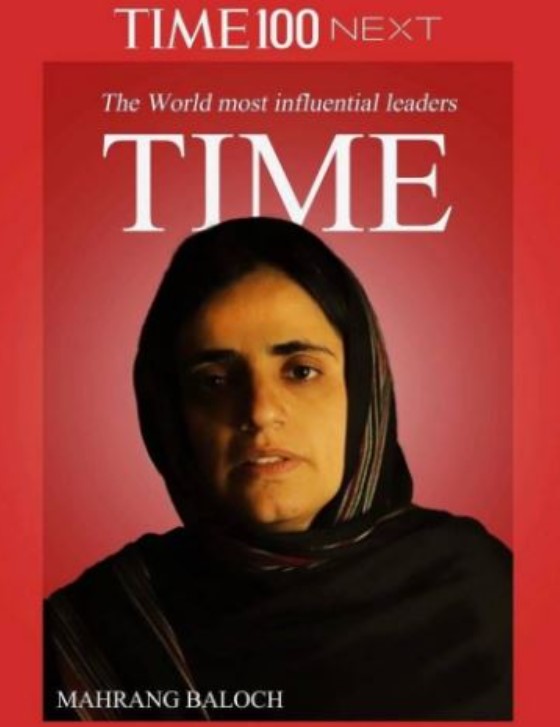
After her success in student activism, Mahrang became a leading figure in the Baloch Yakjehti Committee (BYC). The BYC is a grassroots movement that campaigns against enforced disappearances and violence in Balochistan. Under her leadership, the committee grew stronger and more organized.
She encouraged women to take part in activism, breaking cultural barriers in a conservative society. Her speeches often highlighted the pain of families searching for missing loved ones. By mobilizing communities, she gave ordinary people the courage to demand justice. The BYC became a symbol of unity, and Mahrang its most visible face.
Major Movements and Campaigns
One of her most significant efforts was the Baloch Long March in 2023, which began in Turbat and ended in Islamabad. Thousands joined the march, demanding an end to enforced disappearances and extrajudicial killings. The march drew national and international attention, showing the strength of peaceful protest.
In 2024, she organized the Baloch Raji Muchi gathering in Gwadar, another large-scale event that brought together activists, families, and community leaders. These campaigns were not just about raising voices; they were about building solidarity among people who had long felt ignored. Through these movements, Mahrang proved that activism could be both peaceful and powerful.
Global Recognition and Awards
Mahrang’s courage did not go unnoticed. In 2024, she was featured in the TIME100 NEXT list, which highlights rising leaders shaping the future. The same year, she was named in the BBC 100 Women list, recognizing her as one of the most influential women worldwide.
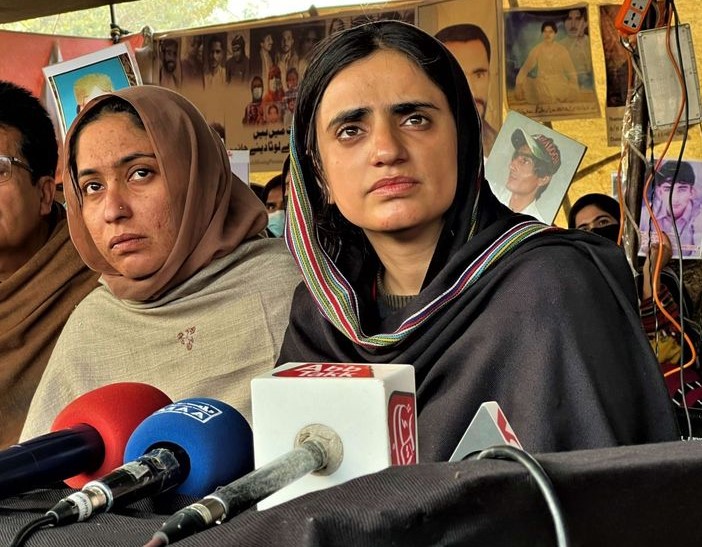
Her work also led to a Nobel Peace Prize nomination in 2025. International organizations and human rights defenders praised her efforts. Even Nobel laureate Malala Yousafzai expressed support for her campaigns. These honors placed her among the most respected activists globally, proving that her voice carried far beyond Balochistan.
Arrests, Trials, and Controversies
Mahrang Baloch was taken into custody during a demonstration in Quetta in March 2025. Authorities accused her of involvement in violent incidents, including the Jaffar Express hijacking case and clashes at Bolan Medical College Hospital. She denied these charges, calling them politically motivated.
Her trials were long and difficult. She was repeatedly remanded in the Anti-Terrorism Court, facing accusations that many human rights groups described as unfair. In June 2026, she was sentenced to life imprisonment in Gwadar protest case. The Human Rights Commission of Pakistan criticized the judgment, saying it reflected bias against activists.
Read Also:- Bimal Patel