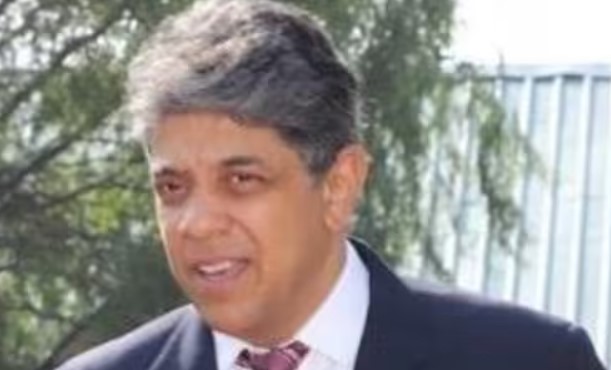
Mahesh Dixit is one of India’s most respected police officers, known for his sharp intelligence and calm leadership. In June 2026, he was appointed as the Director of the Intelligence Bureau (IB), the country’s top internal security agency. This role places him at the heart of India’s fight against terrorism, insurgency, and national security challenges. His journey from a medical student in Maharashtra to the highest ranks of the IPS is both inspiring and unique.
Over the years, Dixit has built a reputation for being a man of discipline and foresight. Over the course of his more than 26-year career, he has managed some of the most difficult tasks in places like the Northeast, Jammu & Kashmir, and Nagaland. His appointment as IB chief is seen as a recognition of his long service and his ability to manage sensitive intelligence operations with precision.
Mahesh Dixit Age, Wife, Career, BIO, Family
| Attribute | Details |
|---|---|
| Full Name | Mahesh Dixit |
| Profession | Indian Police Service (IPS) Officer |
| Current Position | Director of Intelligence Bureau (IB), Government of India |
| Batch | 1993 IPS Batch (Andhra Pradesh Cadre) |
| Date of Birth | 1967 |
| Age (as of July 2026) | 59 years |
| Birthplace | Nashik, Maharashtra, India |
| Education | – Rangubai Junnare School, Nashik – H.P.T. Arts & R.Y.K. Science College, Nashik – B.J. Government Medical College (BJGMC), Pune (M.D. in Psychiatry) |
| Career Start | Joined IPS in 1993 |
| Early Postings | Additional SP in Bellampalli, Nizamabad, Karimnagar; SP in Visakhapatnam |
| Intelligence Bureau Roles | – Joined IB HQ in 1999 – Field postings in Kohima, Patna, Hyderabad – Deputy Director in J&K (2009–2012) – Deputy Director in Nagaland – Senior roles at IB HQ (Northeast, Ladakh, anti-Naxal) – Head of SIB Srinagar (2020–2024) – Special Director of IB (2024–2026) |
| Appointment as IB Director | 30 June 2026 (Approved by ACC, succeeded Tapan Kumar Deka) |
| Awards | – Police Antrik Suraksha Seva Padak (2004) – Police Medal for Meritorious Service (2009) – President’s Police Medal for Distinguished Service (2016) |
| Religion | Hinduism |
| Spouse | Dr. Rajshree Dixit |
| Notable Achievements | – Managed intelligence during unrest in J&K – Oversaw security for G20 Tourism Working Group in Srinagar (2023) – Longest-serving officer in IB with 26+ years of service |
| Known For | Expertise in counter-terrorism, insurgency operations, and intelligence management |
Early Life and Academic Journey
Mahesh Dixit was born in 1967 in Nashik, Maharashtra, a city known for its cultural heritage and educational institutions. Growing up in Nashik, he was exposed to both traditional values and modern education. He completed his schooling at Rangubai Junnare School in Nashik, where he was known as a bright student with a keen interest in academics. He is married to Dr. Rajshree Dixit, who is also a medical professional.
After finishing school, Dixit pursued higher education at H.P.T. Arts & R.Y.K. Science College in Nashik. His academic path took a remarkable turn when he joined B.J. Government Medical College (BJGMC), Pune, one of the leading medical institutions in India. He studied medicine with dedication and eventually earned a Doctor of Medicine (M.D.) in Psychiatry.
Entry into Civil Services
In 1993, Mahesh joined the Indian Police Service (IPS) as part of the Andhra Pradesh cadre. His decision to move from psychiatry to policing surprised many, but it reflected his deep commitment to public service. The IPS offered him a platform to work on issues of national importance, and he embraced the challenge wholeheartedly.
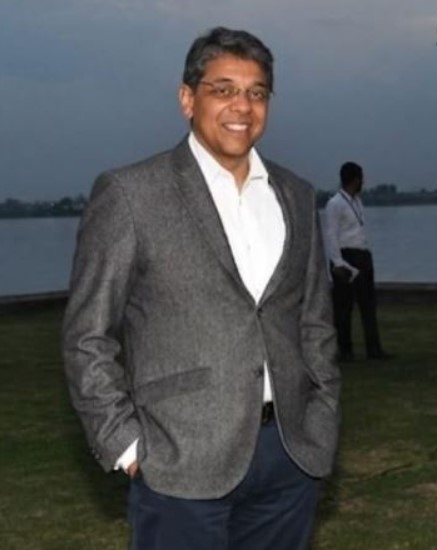
During his initial training, Dixit quickly stood out for his analytical skills and calm approach to problem-solving. His medical background gave him an edge in understanding stress, conflict, and human psychology, which are critical in policing and intelligence work.
Initial Postings in Andhra Pradesh (1995–1999)
After joining the IPS in 1993, Mahesh Dixit began his career with field postings in Andhra Pradesh. Between 1995 and 1999, he served as Additional Superintendent of Police in Bellampalli, Nizamabad, and Karimnagar. His calm approach and ability to connect with people helped him manage these situations effectively.
Later, he was posted as Superintendent of Police in Visakhapatnam, a coastal city with its own set of challenges. Here, he worked on strengthening policing systems and improving coordination between local police and intelligence units. His early years in Andhra Pradesh gave him practical experience in handling diverse problems, from rural unrest to urban crime.
See Also:- Kapil Dinkar
Shift to Intelligence Bureau (1999 onwards)
In 1999, Dixit was transferred to the Intelligence Bureau headquarters in New Delhi, marking the beginning of his long association with India’s premier intelligence agency. His career was altered by this decision. He now had to deal with national security, intelligence collecting, and analysis in addition to policing.
Between 2000 and 2008, he held field postings in Kohima, Patna, and Hyderabad. These regions were sensitive due to insurgency, political unrest, and extremist activities. His work involved building networks, gathering intelligence, and supporting counter-insurgency operations. His ability to remain discreet yet effective earned him respect within the IB.
Tenure in Jammu & Kashmir (2009–2012)
When he was assigned to the position of Deputy Director of IB in Jammu & Kashmir, it was one of the most important times in his career. This was a time when the region was facing intense unrest, with terrorism, separatist movements, and cross-border infiltration posing serious threats.
Dixit played a key role in managing intelligence related to terrorism and violent protests. He worked closely with security forces to counter stone-pelting incidents and infiltration attempts. His calm leadership and deep understanding of human behaviour helped him deal with the complexities of Kashmir.
Key Assignments in Nagaland and IB HQ (2012–2020)
After his tenure in Kashmir, Dixit was posted as Deputy Director of IB in Nagaland, another region with insurgency challenges. His work focused on monitoring militant groups and supporting peace efforts. He balanced firmness with dialogue, ensuring that intelligence operations were effective but also sensitive to local realities.
Later, he returned to the IB headquarters in New Delhi, where he took on senior roles. His responsibilities included overseeing intelligence operations in the Northeast, Ladakh, and anti-Naxal areas. These assignments required strategic planning and coordination with multiple agencies.
Subsidiary Intelligence Bureau (SIB), Srinagar (2020–2024)
In 2020, Dixit was appointed head of the Subsidiary Intelligence Bureau (SIB) in Srinagar, a crucial role after the abrogation of Article 370. This period was marked by new challenges, including hybrid terrorism and targeted killings. Dixit supervised operations to counter these threats and worked on stabilising the region.
One of his notable achievements was managing security for the G20 Tourism Working Group meeting in Srinagar in 2023. His work in Srinagar further proved his ability to handle sensitive assignments with precision and foresight.
Rise to Special Director of IB (2024–2026)
By 2024, Mahesh Dixit had already spent more than two decades in the Intelligence Bureau. His long service and proven track record led to his promotion as Special Director of IB. In this role, he supervised counter-terrorism operations and handled some of the most sensitive intelligence matters in the country.
His leadership during this period was marked by careful planning and coordination. He worked on strengthening India’s intelligence networks, ensuring that information flowed quickly and accurately to decision-makers. His ability to foresee threats and prepare responses made him a trusted figure within the government.
Appointment as Director of IB (June 2026)
Tapan Kumar Deka was replaced as Director of the Intelligence Bureau on June 30, 2026, by Mahesh Dixit. Prime Minister Narendra Modi’s Appointments Committee of the Cabinet (ACC) endorsed the decision. His appointment came with a two-year extension of service, allowing him to continue beyond his retirement age under special provisions.
In 2004, he was honoured with the Police Antrik Suraksha Seva Padak for his work in internal security. In 2009, he received the Police Medal for Meritorious Service, recognising his consistent dedication. Later, in 2016, he was awarded the President’s Police Medal for Distinguished Service, one of the highest honours for police officers in India.
Read Also:- Chandrima Bhattacharya