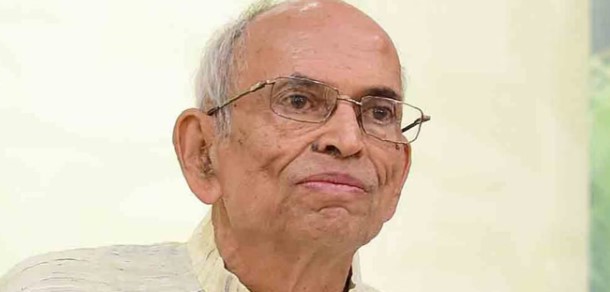
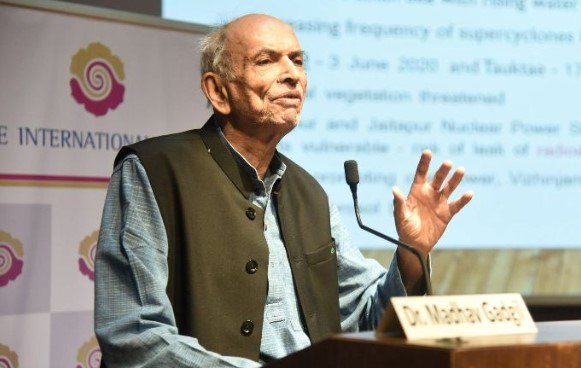
Madhav Gadgil was one of India’s most respected scientists and writers. Born in Pune in 1942, he grew up to become a pioneer in ecology and conservation. His work was not only about science but also about people and their relationship with nature. He believed that protecting forests, rivers, and wildlife was not possible without involving local communities. This idea made him stand out in India’s environmental movement.
Over the years, Gadgil became known as the “people’s scientist.” He wrote books, taught students, and advised governments. His reports often challenged powerful interests, but he never stopped speaking for the environment. His most famous work was the Western Ghats Ecology Expert Panel Report, also called the Gadgil Commission. Madhav Gadgil passed away on 7 January 2026 in Pune at the age of 83. His wife, the meteorologist Sulochana Gadgil, had passed away earlier in July 2025.
Madhav Gadgil Family, Age, Death, Wife, Biography
| Attribute | Details |
|---|---|
| Full Name | Madhav Dhananjaya Gadgil |
| Date of Birth | 24 May 1942 |
| Place of Birth | Pune, Bombay Province (now Maharashtra), India |
| Date of Death | 7 January 2026 |
| Age at Death | 83 years |
| Cause of Death | Brief illness |
| Nationality | Indian |
| Profession | Ecologist, Academic, Writer |
| Known For | Western Ghats Ecology Expert Panel (Gadgil Commission), biodiversity research |
| Father | Dhananjay Ramchandra Gadgil (Economist, Deputy Chairman of Planning Commission) |
| Mother | Pramila Gadgil |
| Spouse | Sulochana Gadgil (Meteorologist, passed away July 2025) |
| Children | Son – Siddhartha Gadgil (Mathematician); Daughter – Gauri (Journalist & Spanish teacher) |
| Grandchildren | Tara (Badminton player), Revati |
| Education | B.Sc. Biology – Fergusson College (1963); M.Sc. Zoology – University of Mumbai (1965); Ph.D. in Mathematical Ecology – Harvard University (1969) |
| Institutions | Agharkar Research Institute, University of Goa, Indian Institute of Science (IISc), Bengaluru |
| Major Works | This Fissured Land (1992), Ecology and Equity (1995), Diversity: The Cornerstone of Life (2005), Ecological Journeys (2005) |
| Awards & Honours | Padma Shri (1981), Shanti Swarup Bhatnagar Prize (1986), Harvard Centennial Medal (2002), Volvo Environment Prize (2003), Padma Bhushan (2006), UN Champions of the Earth (2024) |
| Publications | Over 250 research papers; books in English and Marathi; columns in The Hindu and Sakal |
| Wikipedia | @Madhav_Gadgil |
Early Life and Background
Madhav was born on 24 May 1942 in Pune, which was then part of Bombay Province under British India. His father, Dhananjay Ramchandra Gadgil, was a well-known economist who served as the Deputy Chairman of India’s Planning Commission. His mother, Pramila Gadgil, was equally supportive of learning and discipline. Growing up in such an intellectual household shaped his curiosity and love for knowledge.
As a child, Gadgil showed unusual interest in nature and writing. While still in school, he began publishing articles in Srishtidnyan, a Marathi science magazine. By the time he was in Class 10, he had already written about animal behaviour and published nearly ten articles. In 1959, he set a Maharashtra State Junior record in high jump, and later broke the Pune University record in 1961.
Education and Academic Journey
Gadgil enrolled at Fergusson College after completing his education at Balshikshan and Modern High School in Pune. He completed his B.Sc. in Biology in 1963. He then moved to the University of Mumbai, where he earned his M.Sc. in Zoology in 1965. His interest in ecology grew stronger during these years.
In the mid-1960s, Gadgil went to the United States for higher studies. He joined Harvard University, where he studied under famous scientists like William H. Bossert and interacted with E.O. Wilson, the father of sociobiology. His Ph.D. thesis, titled Life History Strategies: A Theoretical Investigation (1969), focused on mathematical ecology. This was a new way of studying nature using numbers and models.
Personal Life and Family
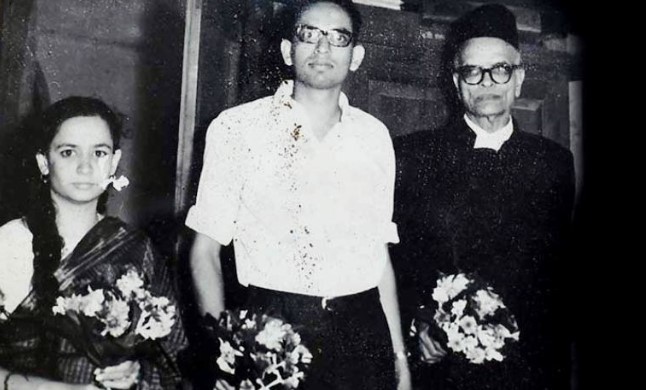
Madhav married Sulochana Gadgil, a meteorologist who also studied at Harvard. She was known for her research on the Indian monsoon and climate science. Together, they formed a strong intellectual partnership. They often discussed science at home and supported each other’s work.
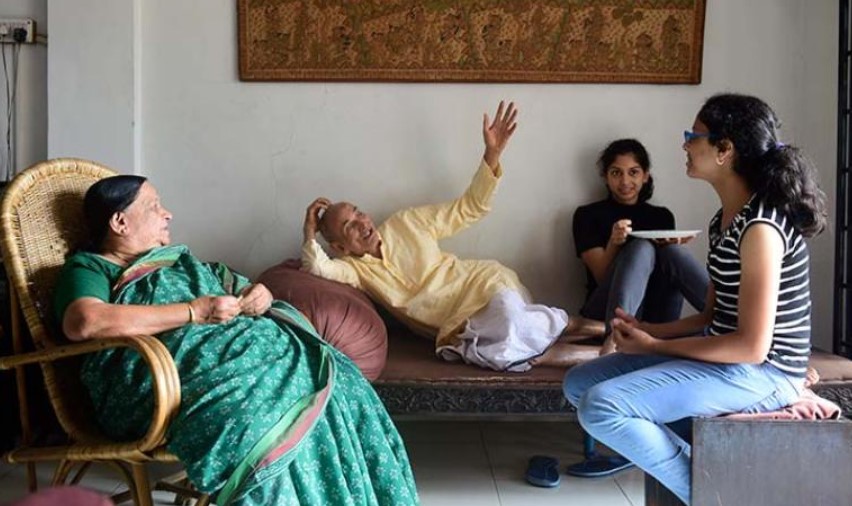
The couple had two children. Their son, Siddhartha Gadgil, became a mathematician and professor. Their daughter, Gauri, worked as a journalist and Spanish teacher. Gadgil was also a loving grandfather. His granddaughters, Tara and Revati, were very close to him. Tara even became a professional badminton player. Family members recall that he would do anything to make his granddaughters laugh, even standing on his head.
Career Beginnings in India
After completing his Ph.D. at Harvard, Madhav returned to India in 1971. His decision to come back was guided by a strong sense of responsibility. His first assignment was at the Agharkar Research Institute in Pune, where he worked briefly. Soon after, he became a visiting professor at the University of Goa.
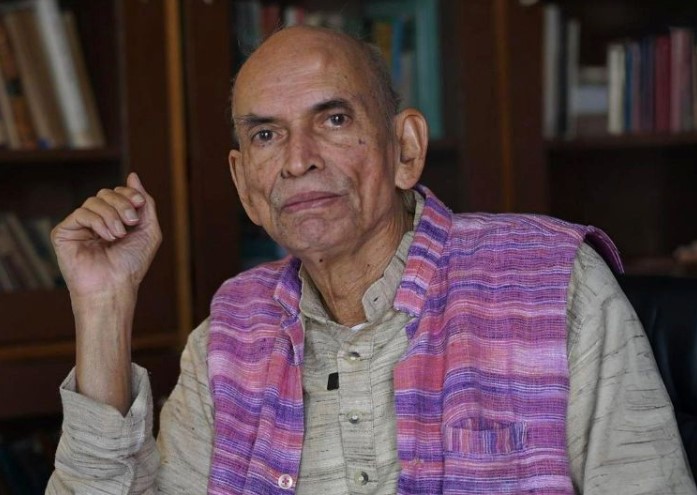
In 1973, Gadgil moved to Bengaluru to join the Indian Institute of Science (IISc). This was a turning point in his career. At IISc, he began to build a strong foundation for ecological studies in India. He was not only a teacher but also a builder of institutions. His vision was to create centres where young scientists could study ecology with both theory and fieldwork.
See Also:- Estefani Noemi
Contributions at IISc and Beyond
At IISc, Gadgil helped establish the Centre for Theoretical Studies and later the Centre for Ecological Sciences. These centres became hubs for ecological research in India. He encouraged students to go into forests, villages, and rivers to collect data. He believed that science should not remain locked in laboratories.
One of his early projects was a study on bamboo resources in Karnataka (1976). This research showed how local communities depended on bamboo for daily life. He also collaborated with ornithologist Salim Ali in Bandipur National Park in 1977. Together, they studied bird populations and forest ecology. Over the years, he published more than 250 research papers and several books.
National and International Recognition
- Padma Shri (1981) – one of India’s highest civilian awards, recognising his contribution to science.
- Shanti Swarup Bhatnagar Prize (1986) – India’s top science award for his research in biological sciences.
- Harvard Centennial Medal (2002) – honouring his achievements as a Harvard alumnus.
- Volvo Environment Prize (2003) – an international award for outstanding contributions to environmental science.
- Padma Bhushan (2006) – India’s third-highest civilian award.
- Champions of the Earth Award (2024) – the United Nations’ highest environmental honour.
Literary Contributions
Madhav Gadgil was not only a scientist but also a gifted writer. He wrote in both English and Marathi, making his ideas reach a wide audience. Some of his famous English books include: This Fissured Land (1992), Ecology and Equity (1995), Diversity: The Cornerstone of Life (2005), and Ecological Journeys (2005).
In Marathi, he wrote books like Nisarganiyojan Lokasahabhagane, which explained ecological planning with people’s participation. He also wrote columns in newspapers such as The Hindu and Sakal. His style was simple, clear, and engaging. He wanted ordinary readers to understand complex ecological issues. His biography, Vidnyanyatri – Dr. Madhav Gadgil (2011), written by Satyajit Gokhale, captured his journey as a scientist and thinker.
Policy and Advisory Roles
Beyond research and writing, Gadgil played a major role in shaping India’s environmental policies. He was a member of the Scientific Advisory Council to the Prime Minister (1986–1990). He helped design India’s first biosphere reserve in the Nilgiris.
He also contributed to drafting the Biological Diversity Act (2002), which gave legal protection to India’s biodiversity. His most famous role came in 2010, when he chaired the Western Ghats Ecology Expert Panel (WGEEP). The panel’s report, known as the Gadgil Report, recommended strict protection for sensitive zones in the Western Ghats.
Death and Legacy
Madhav passed away on 7 January 2026 in Pune, Maharashtra, after a brief illness. He was 83 years old. His death came only months after the passing of his wife, Sulochana Gadgil, in July 2025. The couple had spent decades together, both in personal life and in academic work. Their partnership was admired in India’s scientific community.
His death was mourned by scientists, students, and environmental activists across the country. Tributes poured in from universities, research institutes, and conservation groups. Many remembered him not only as a brilliant scientist but also as a teacher who encouraged young minds to think independently.
Read Also:- Amy Nur Tinie