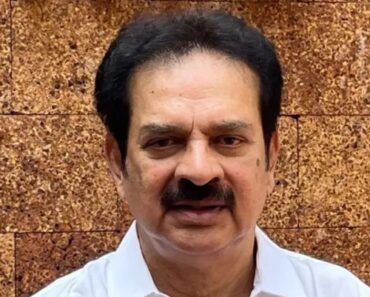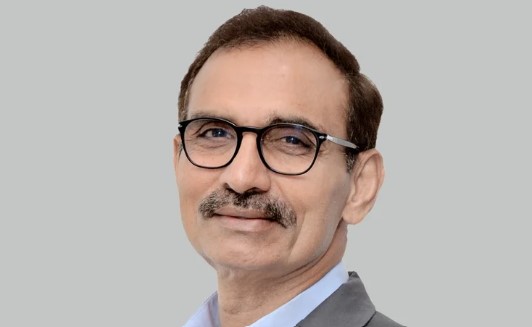
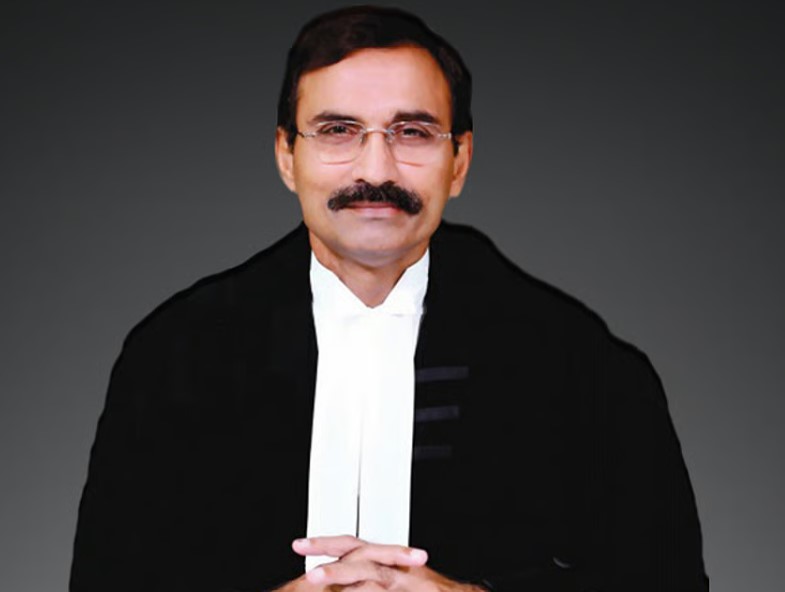
L. Nageswara Rao is one of the most respected names in Indian law. Born on 8 June 1957 in Pedanandipadu, Andhra Pradesh, he rose from humble beginnings to become a Judge of the Supreme Court of India. His journey is remarkable because he was directly elevated from the Bar to the Supreme Court in 2016, a rare honour given to only a handful of lawyers in the country’s history.
During his career, Rao handled some of the most high-profile cases in India, including the J. Jayalalithaa disproportionate assets case and the NEET litigation. He also served three terms as Additional Solicitor General of India, representing the Union government in crucial matters. After retirement, he was appointed by the Supreme Court to amend the Constitution of the Indian Olympic Association, showing his commitment to reforms beyond the courtroom.
L. Nageswara Rao Age, Wife, Parents, BIO, Career
| Attribute | Details |
|---|---|
| Full Name | Justice Lavu Nageswara Rao |
| Date of Birth | 8 June 1957 |
| Place of Birth | Pedanandipadu, Guntur District, Andhra Pradesh, India |
| Education | Loyola Public School (Guntur), JKC College, TJPS College, Law degree from Nagarjuna University |
| Profession | Lawyer, Judge |
| Legal Career Start | Enrolled as Advocate in 1982 (Bar Council of Andhra Pradesh) |
| Practice | District Court Guntur (1982–1984), Andhra Pradesh High Court (1985–1994), Supreme Court of India (1995–2016) |
| Senior Advocate | Designated in 2000 by Andhra Pradesh High Court |
| Additional Solicitor General of India | Served three terms – 2003 (NDA), 2013 (UPA), 2014 (NDA) |
| Elevation to Supreme Court | 13 May 2016 – Directly elevated from Bar (7th in Indian history) |
| Tenure as Supreme Court Judge | 2016 – 7 June 2022 |
| Landmark Cases | J. Jayalalithaa disproportionate assets case, NEET litigation, Mudgal Committee (IPL corruption) |
| Notable Judgments | Abhiram Singh v. C.D. Commachen (2017), Narendra v. K. Meena, Krishna Kumar Singh v. State of Bihar |
| Retirement | 7 June 2022 |
| Post-Retirement Role | Appointed to amend Constitution of Indian Olympic Association (2022) |
| Known For | Direct elevation from Bar, high-profile cases, reforms in sports governance |
| Personal Life | Private; family details not widely public |
| Wikipedia | @L._Nageswara_Rao |

Early Life and Background
On 8 June 1957, Justice Rao was born in a small town in Guntur district, Andhra Pradesh. His early years were shaped by the values of discipline and hard work, which later became the foundation of his professional success. Growing up in a modest family, he understood the importance of education and perseverance from a young age.
Pedanandipadu, his birthplace, is known for its cultural and educational environment. Rao’s childhood in this town gave him a strong sense of community and responsibility. His journey from a small town to the highest court of India is a story of determination and inspiration for young lawyers across the country.
Education Journey
Justice L. Nageswara Rao’s education laid the foundation for his career in law. He studied at Loyola Public School in Guntur, where he developed discipline and a love for learning. Later, he attended JKC College and TJPS College in Guntur, where he pursued higher studies. His academic journey reflected his determination to rise beyond his small-town background and make a mark in the professional world.
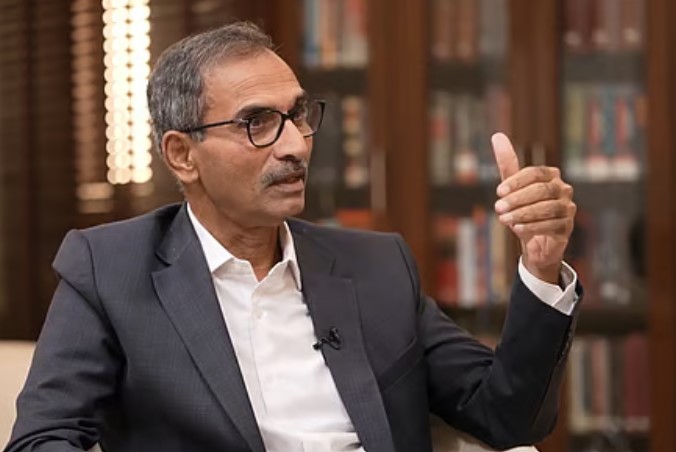
After completing his early education, Rao went on to study law at Nagarjuna University. This was a turning point in his life. His time at university gave him exposure to legal principles and the workings of the justice system. His education not only gave him knowledge but also shaped his values of fairness and justice, which became central to his career.
Entry into Legal Profession
Justice Rao began his legal career in 1982 when he enrolled as an advocate with the Bar Council of Andhra Pradesh. His first years were spent practicing at the District Court in Guntur from 1982 to 1984. These early years were challenging, but they gave him practical experience in handling cases and understanding the needs of ordinary people seeking justice.
In 1985, Rao shifted his practice to the Andhra Pradesh High Court. For nearly a decade, he worked on a wide range of cases, building his reputation as a skilled lawyer. His dedication and sharp legal mind soon made him stand out among his peers. By 1995, he moved to the Supreme Court of India, where he practiced until 2016.
See Also:- Natalie Kuckenburg (Paul Wesley’s Wife)
Rise as a Senior Advocate
In 2000, Rao was designated as a Senior Advocate by the Andhra Pradesh High Court. This recognition was a major milestone in his career. It meant that he had reached a level of expertise and respect that few lawyers achieve. As a Senior Advocate, he was often sought after for important cases, and his arguments carried weight in courtrooms across India.
Rao also became known as one of the highest-paid lawyers in the country. His success was not just about financial rewards but about the trust that clients placed in him. He represented influential individuals and institutions, and his ability to handle complex cases made him a leading figure in the legal profession.
Role as Additional Solicitor General of India
Justice Rao’s career reached another high point when he was appointed as the Additional Solicitor General (ASG) of India. His first appointment came in 2003 under the NDA government. Later, he served again in 2013 under the UPA government and once more in 2014 under the NDA government. Serving three terms as ASG is rare and shows the level of trust that different governments placed in him.
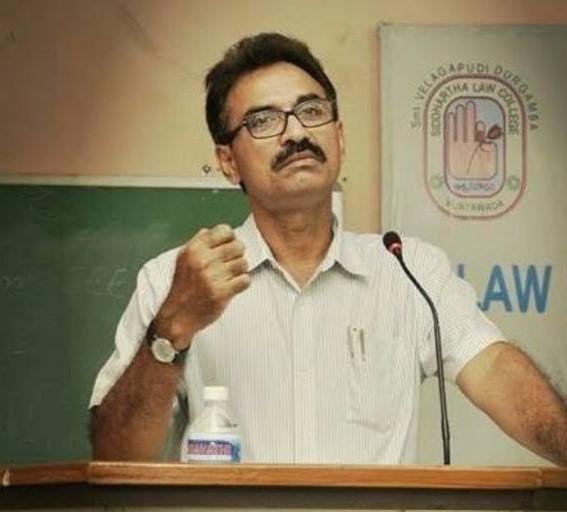
As ASG, Rao represented the Union of India in important cases before the Supreme Court. His role required him to defend government policies and decisions, often in matters that had national importance. His work as ASG strengthened his reputation as a lawyer who could balance legal expertise with public responsibility.
Landmark Cases and Legal Contributions
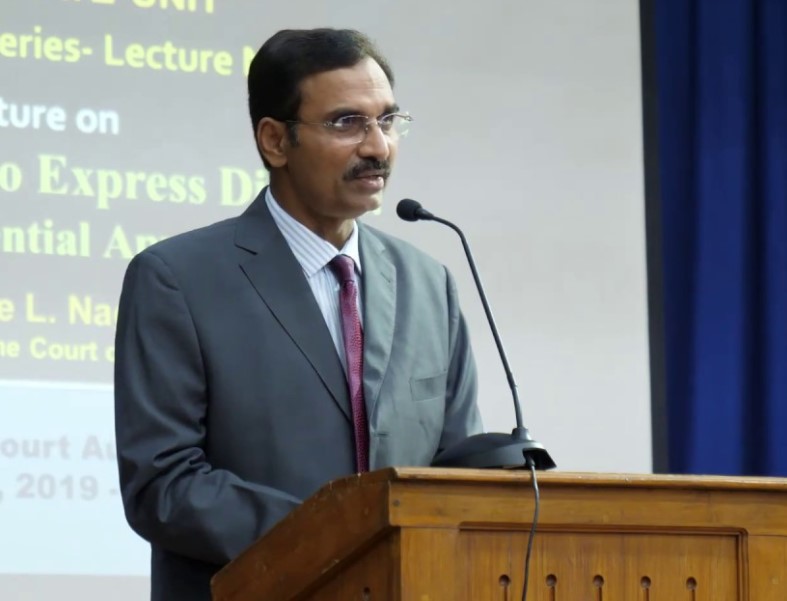
Justice L. Nageswara Rao’s career as a lawyer was marked by several high-profile cases that brought him into the national spotlight. One of the most talked-about cases was the J. Jayalalithaa disproportionate assets case, where he defended the late Tamil Nadu Chief Minister. Another important case was the NEET litigation, where Rao represented Tamil Nadu and Christian Medical College, Vellore.
Rao also played a key role in the Mudgal Committee, which investigated corruption and betting scandals in the Indian Premier League (IPL). His involvement in this committee showed his commitment to transparency and fairness beyond the courtroom.
Elevation to the Supreme Court of India
On 13 May 2016, Justice Rao was sworn in as a Judge of the Supreme Court of India. His elevation was historic because he was the seventh person in Indian history to be directly elevated from the Bar to the Supreme Court. This rare honour reflected his standing as one of the finest advocates in the country.
As a Supreme Court judge, Rao brought with him years of experience from the Bar. His judgments were known for their clarity, fairness, and strong constitutional grounding. He often emphasized the importance of justice being accessible to all citizens, regardless of their background.
Notable Judgments as Supreme Court Judge
Justice Rao delivered several important judgments during his time in the Supreme Court. One of the landmark rulings was in Abhiram Singh v. C.D. Commachen (2017), where the court banned candidates from seeking votes based on religion, caste, or community. In another case, Narendra v. K. Meena, Rao defined cruelty in marital disputes.
He also played a role in Krishna Kumar Singh v. State of Bihar, where the court held that the re-promulgation of ordinances was unconstitutional. This ruling strengthened the principle that ordinances are temporary measures and cannot be misused by governments to bypass the legislature.
Retirement and Post-Judicial Roles
Justice L. Nageswara Rao retired from the Supreme Court on 7 June 2022, just a day before his 65th birthday. His retirement marked the end of a remarkable judicial career, but it did not mean the end of his service to the nation. Soon after, the Supreme Court appointed him to oversee reforms in the Indian Olympic Association (IOA). His task was to amend the IOA’s constitution and ensure fair governance in sports administration.
This role showed that Rao’s expertise was valued beyond the courtroom. His ability to bring transparency and fairness was seen as essential for improving sports governance in India. Even after leaving the bench, he continued to contribute to public life, proving that his commitment to justice and reform was lifelong.
Read Also:- Josh Grisetti