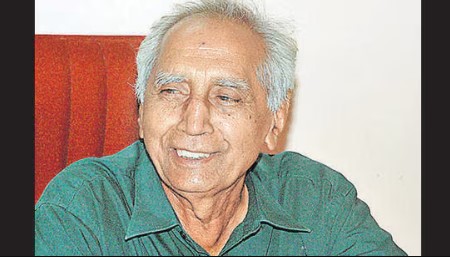
Baba Adhav, known to everyone as Babasaheb Adhav, was one of India’s most respected social activists. Born in Pune in 1930, he lived a long life of 95 years, dedicating himself to the cause of workers, hawkers, rickshaw drivers, and the poor. His journey was not about fame or wealth, but about giving dignity to those who were often ignored by society. On 8 December 2025, he passed away in Pune due to cardiac arrest, leaving behind a legacy that will continue to inspire generations.
He was also a trained Ayurvedic doctor, a trade unionist, and a man who believed in simple living. His life story is a reminder that one person can make a difference if they have courage and compassion. Over the decades, he founded organisations like Hamal Panchayat and Rickshaw Panchayat, which became lifelines for thousands of workers in Maharashtra. His work earned him awards such as the Punya Bhushan Award (2006) and the Times of India Social Impact Lifetime Achievement Award (2011).
Baba Adhav: Biography, Death, Wife, Children, Family
| Attribute | Details |
|---|---|
| Full Name | Babasaheb Pandurang Adhav |
| Popularly Known As | Baba Adhav |
| Profession(s) | Social Activist, Trade Unionist, Ayurvedic Doctor |
| Date of Birth | 1 June 1930 (Sunday) |
| Birthplace | Pune, Maharashtra, India |
| Nationality | Indian |
| Religion | Hinduism |
| Zodiac Sign | Gemini |
| Hometown | Pune, Maharashtra |
| Education | Graduation in Ayurvedic Medicine (1952) |
| School(s) | Pune Municipal Corporation’s Public School; Shivaji Maratha School, Pune |
| College/University | Tarachand Ramnath Ayurveda College, Rasta Peth, Pune |
| Career Start | Practised Ayurveda in Nana Peth, Pune (1953) |
| Known For | Founding Hamal Panchayat (1956) and Rickshaw Panchayat |
| Major Movements | Goa Liberation Movement, Samyukta Maharashtra Movement |
| Awards | Punya Bhushan Award (2006); ‘Man of the Year’ by The Week (2007); Social Lifetime Achievement Award; Times of India Social Impact Lifetime Achievement Award (2011) |
| Marital Status | Married |
| Marriage Date | 1966 |
| Wife/Spouse | Sheila Adhav (nurse) |
| Children | Sons – Aseem and Amber |
| Parents | Father – Pandurang; Mother – Babutai Pandurang Adhav |
| Siblings | 1 Brother, 3 Sisters |
| Date of Death | 8 December 2025 |
| Place of Death | Pune, Maharashtra |
| Age at Death | 95 Years |
| Cause of Death | Cardiac Arrest |
| Wikipedia | @Baba_Adhav |

Early Life and Background
As per the sources, Baba was born on 1 June 1930 in Pune, Maharashtra. His father, Pandurang, and mother, Babutai Pandurang Adhav, raised him in a modest household. Baba was brought up with one brother and three sisters. From a young age, he was exposed to the struggles of ordinary people in Pune, which shaped his thinking.
As a teenager, Adhav joined the Rashtra Seva Dal, a volunteer organisation inspired by Mahatma Gandhi’s principles. This early exposure to Gandhian thought gave him a strong sense of justice and equality. He was deeply moved by the hardships faced by porters, hawkers, and rickshaw drivers in his hometown. These experiences planted the seeds of activism in him, even though he first chose medicine as a career.
Education and Academic Journey
Adhav studied at Pune Municipal Corporation’s Public School and later at Shivaji Maratha School. He was a bright student who believed that education was the key to serving society. After completing his schooling, he joined Tarachand Ramnath Ayurveda College in Rasta Peth, Pune, where he graduated in Ayurvedic Medicine in 1952.
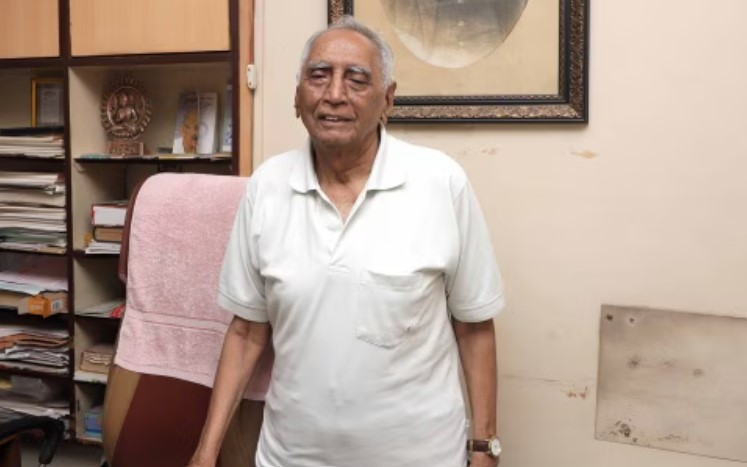
His medical training gave him a scientific outlook and discipline. But more importantly, it taught him empathy. As a doctor, he saw the pain of patients who could not afford proper treatment. This made him realise that health and dignity were linked to social justice. In 1953, he began practising Ayurveda in Nana Peth, Pune. However, within a few years, he felt his true calling was not just medicine but activism.
Professional Life and Career Beginnings
Baba Adhav’s career began as an Ayurvedic doctor, but he soon moved towards social work. In the 1950s, he also took part in important movements like the Goa Liberation Movement and the Samyukta Maharashtra Movement, which demanded a separate state for Marathi-speaking people. These experiences gave him exposure to political and social struggles.
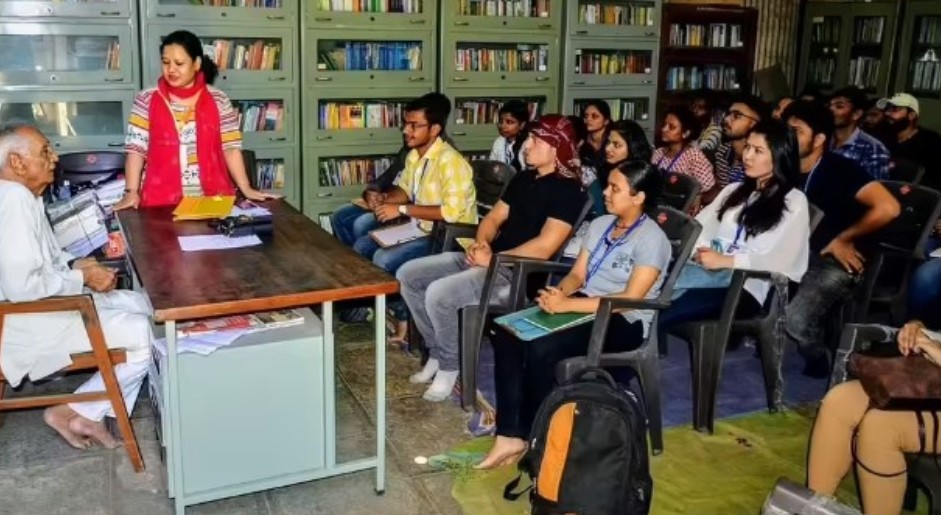
By the mid-1950s, Adhav realised that the unorganised workers of Pune had no voice. Porters, hawkers, rickshaw drivers, and daily wage labourers were exploited and had no security. In 1956, he founded the Hamal Panchayat, a union for porters, and later the Rickshaw Panchayat, which became a powerful organisation for rickshaw drivers.
See Also:- Amar Subramanya (AI Researcher)
Social Activism and Trade Union Work
Adhav’s name became synonymous with the struggles of unorganised workers in Pune. In 1956, he founded the Hamal Panchayat, a union for porters who carried heavy loads in markets and railway stations. These workers had no fixed wages, no social security, and no recognition.
Later, he established the Rickshaw Panchayat, which became one of the most influential unions for rickshaw drivers in Maharashtra. Through this organisation, he worked to secure better working conditions, fair fares, and respect for drivers who were often treated poorly.
Adhav also played a key role in the Goa Liberation Movement and the Samyukta Maharashtra Movement, showing his commitment to larger social causes beyond workers’ rights. His activism was always peaceful, inspired by Gandhian principles. Even in his later years, he continued to lead demonstrations, including a hunger strike in November 2025 to demand fair elections.
Personal Life and Family
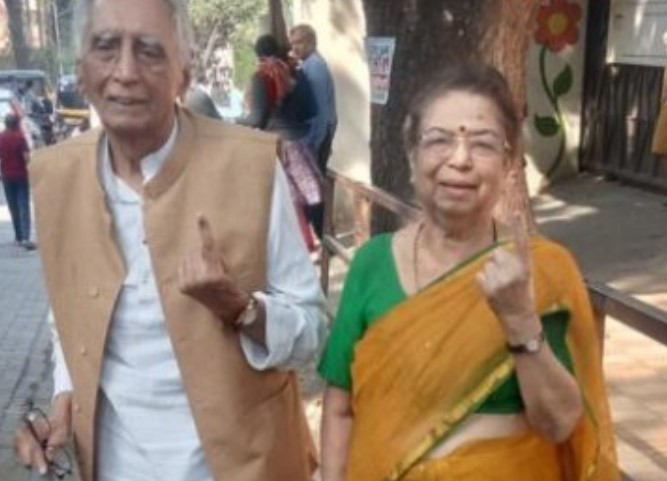
Behind the activist was a family man who valued relationships deeply. In 1966, Baba Adhav tied knot with Sheila Adhav, a nurse by profession. Their marriage was built on mutual respect and shared values of service. Together, they raised two sons, Aseem and Amber, who grew up watching their father dedicate his life to social causes.
Adhav came from a large family, with one brother and three sisters. Despite his busy life as an activist, he remained close to his siblings and extended family. His home in Pune was always open to workers, activists, and friends. He believed that family was not just about blood relations but also about community.
Later Years and Legacy
Even in his old age, Baba never slowed down. He continued to lead movements and speak for the rights of workers well into his nineties. His life was a rare example of consistency—he never abandoned the cause he started in the 1950s.
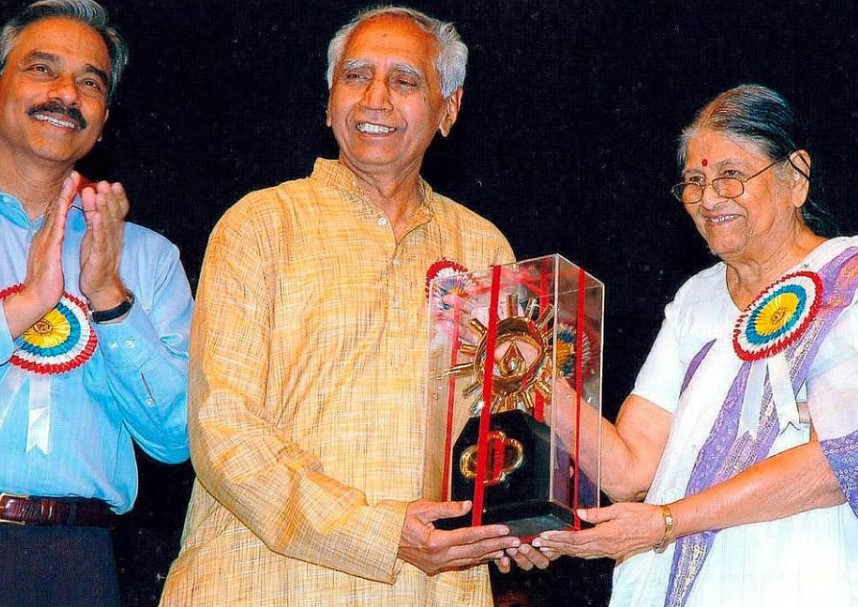
Adhav’s legacy lies in the organisations he built and the thousands of lives he touched. The Hamal Panchayat and Rickshaw Panchayat became models for how unorganised workers could unite and demand justice. His work showed that dignity was as important as wages. He also inspired younger activists to take up similar causes, ensuring that his mission would continue beyond his lifetime.
Death and Tributes
On 8 December 2025, Baba passed away in Pune at the age of 95 due to cardiac arrest. His death marked the end of an era in social activism. For many in Pune and across Maharashtra, it felt like losing a guiding light.
Tributes poured in from social workers, political leaders, and ordinary citizens. Many remembered him not only as an activist but also as a compassionate human being who lived simply and gave everything to society. His funeral was attended by workers, activists, and families who had benefited from his decades of service. The atmosphere was one of respect and gratitude for a man who had lived for others.
Interesting Facts about Baba Adhav
- He was born under the zodiac sign Gemini.
- Despite receiving national awards, he lived a very simple life in Pune.
- He balanced two identities: an Ayurvedic doctor and a social activist.
- His activism was deeply rooted in his hometown, Pune, where he spent his entire life.
- He believed in Gandhian principles and often used hunger strikes as a form of protest.
Read Also:- Jake Connelly