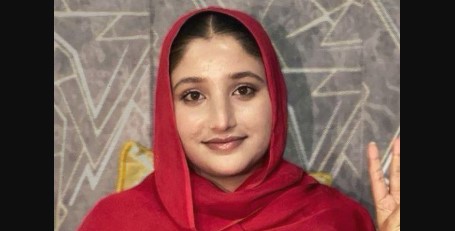
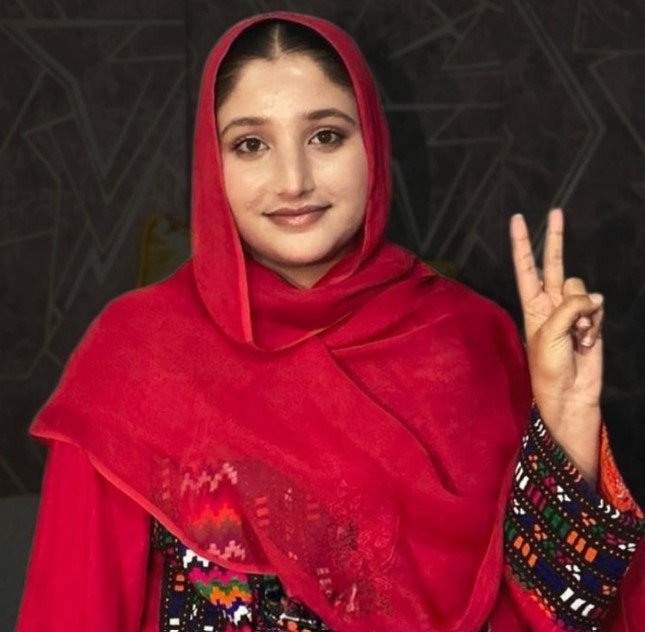
Asifa Mengal’s name has become one of the most talked about in Pakistan and beyond after the deadly suicide attack in January 2026. At just 23 years old, she carried out a vehicle-borne suicide bombing against the Inter-Services Intelligence (ISI) headquarters in Nushki, Balochistan. The attack was part of a larger militant campaign called Operation Herof Phase II (Black Storm), launched by the Balochistan Liberation Army (BLA). Reports confirm that nearly 50 people were killed, including 17 security personnel, while Pakistan’s counter-operations claimed to have eliminated more than 140 insurgents in the following 40 hours.
Her story reflects the growing role of women in militant movements in South Asia, especially in Balochistan, where female suicide bombers have become symbols of resistance for separatist groups. Asifa Mengal’s life, choices, and death raise important questions about radicalization, gender roles in militancy, and the human cost of conflict. This article explores her biography in detail—her age, family, background, and the circumstances that led her to become the third female suicide bomber associated with the BLA.
Asifa Mengal Death, Age, Husband, Family, Biography
| Attribute | Details |
|---|---|
| Full Name | Asifa Mengal |
| Date of Birth | 2 October 2002 |
| Age at Death | 23 years |
| Birthplace | Nushki, Balochistan, Pakistan |
| Father’s Name | Mohammad Ismail |
| Mother’s Name | Not publicly documented |
| Religion | Islam |
| Nationality | Pakistani |
| Marital Status | Unmarried |
| Affiliation | Balochistan Liberation Army (BLA) – Majeed Brigade |
| Role | Suicide Bomber (Fidayee) |
| Date of Joining BLA | 2 October 2023 (on her 21st birthday) |
| Declared Fidayee | January 2024 |
| Date of Death | 31 January 2026 |
| Place of Death | ISI Headquarters, Nushki, Balochistan |
| Cause of Death | Suicide bombing (VBIED attack) |
| Operation Name | Operation Herof Phase II (Black Storm) |
| Casualties Caused | Nearly 50 people killed, including 17 security personnel |
| Known For | Third female suicide bomber linked to the BLA |
Early Life and Background
Asifa was born on 2 October 2002 in Nushki, Balochistan, Pakistan. She grew up in a region that has long been marked by unrest, poverty, and political instability. Balochistan, Pakistan’s largest province by area, has been the centre of separatist movements for decades. Many young people in the region grow up surrounded by stories of resistance, military operations, and loss.
Her childhood was not widely documented, but sources suggest she lived a fairly ordinary life until her late teens. Like many girls in her community, she was influenced by cultural traditions and the struggles of her people. The lack of opportunities, combined with the ongoing conflict, created conditions where radical groups like the BLA could recruit young individuals.
Family and Personal Life
Asifa Mengal’s father was Mohammad Ismail, a resident of Nushki. Her family background was modest, and she was unmarried at the time of her death in January 2026. Reports do not mention her mother or siblings in detail, but her family ties were rooted in the local community.
The cultural and religious environment of Balochistan shaped her personal life. She followed Islam, like most residents of the province. However, her decision to join the BLA’s Majeed Brigade—the suicide unit of the group—marked a sharp departure from traditional expectations of women in her society. While most young women in her community were expected to focus on family life, Asifa chose a path of militancy.
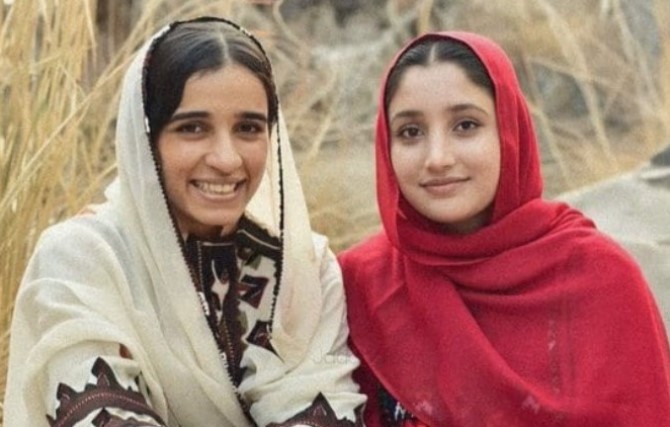
Education and Early Influences
Information about Mengal’s formal education is limited, but her early years were spent in Nushki, a town in Balochistan that has seen repeated clashes between separatist groups and security forces. Like many young people in the region, her schooling was likely disrupted by instability and lack of resources.
Growing up in such an environment, Asifa was exposed to stories of resistance and sacrifice. The Baloch nationalist movement often portrays its fighters as heroes defending their land against oppression. For young minds, these narratives can be powerful. Reports suggest that Asifa became increasingly influenced by the militant ideology during her late teens.
See Also:- Hawa Baloch (Suicide Bomber)
Entry into Militancy
On her 21st birthday, 2 October 2023, Asifa Mengal formally joined the Majeed Brigade, the suicide unit of the Balochistan Liberation Army (BLA). This was a turning point in her life. The Majeed Brigade is known for training suicide attackers and has carried out several high-profile missions in Pakistan. By joining this unit, Asifa committed herself to a path that would end in her death.
In January 2024, she was declared a “Fidayee,” a term used for suicide attackers who pledge to sacrifice their lives for the cause. This decision was not made lightly. Suicide bombers undergo special training and indoctrination, where they are taught that their death will serve as a symbol of resistance. For Asifa, this meant leaving behind her family and personal life to become part of a militant campaign.
The Suicide Mission
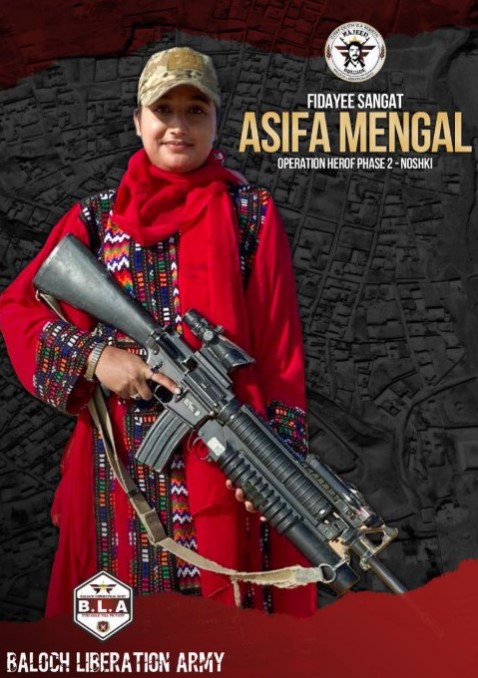
On 31 January 2026, Asifa carried out her final mission. She drove a vehicle packed with explosives into the ISI Headquarters in Nushki, Balochistan. The attack was part of Operation Herof Phase II (Black Storm), a coordinated campaign by the BLA.
The explosion was devastating. Reports confirm that nearly 50 people were killed, including 17 security personnel. The attack also injured dozens more and caused significant damage to the facility. It was one of the deadliest suicide bombings in Balochistan in recent years.
The BLA quickly claimed responsibility, releasing images and videos of Asifa to highlight her role. They portrayed her as a martyr, the third female suicide bomber in their ranks after Shari Baloch and Sumaiya Qalandrani. Her mission was also linked to a parallel attack in Gwadar, carried out by another female militant, Hawa Baloch.
Association with Other Female Militants
Asifa was not the first woman to take part in suicide missions in Balochistan. Before her, two other women had already made headlines for similar attacks. In April 2022, Shari Baloch, a schoolteacher from Turbat, carried out a suicide bombing in Karachi, targeting Chinese nationals. Later that year, Sumaiya Qalandrani Baloch was also reported as a suicide bomber linked to the BLA.
Asifa’s attack in January 2026 made her the third female suicide bomber associated with the group. Her mission was also connected to another female militant, Hawa Baloch, who carried out a parallel attack in Gwadar around the same time. Together, these women symbolized a new phase in the BLA’s strategy, where female participation was used to shock society and gain international attention.
Death and Aftermath
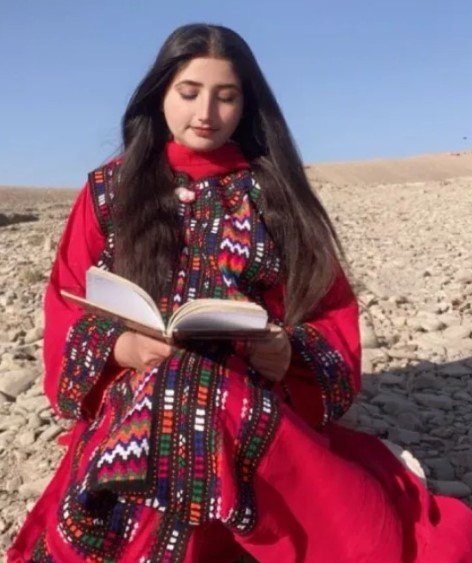
On 31 January 2026, Mengal’s life ended in the explosion she carried out at the ISI headquarters in Nushki. The attack was devastating, leaving behind destruction and grief. For her group, the BLA, her death was celebrated as martyrdom. They released images and videos of her, portraying her as a hero who sacrificed herself for the cause of Baloch freedom.
For Pakistan, however, the aftermath was grim. The government launched immediate counter-operations, claiming to have killed more than 140 insurgents within 40 hours of the attack. Security forces tightened their presence in Balochistan, and the incident sparked debates about how militants were able to plan such large-scale operations.
Interesting Facts & Trivia
- She joined the Majeed Brigade exactly on her 21st birthday in October 2023.
- Declared a suicide attacker (“Fidayee”) in January 2024.
- Died at the age of 23 years during the Nushki attack on 31 January 2026.
- She was the third female suicide bomber linked to the BLA, after Shari Baloch and Sumaiya Qalandrani.
- Her mission was part of Operation Herof Phase II (Black Storm), one of the deadliest militant campaigns in Balochistan.
- Her father’s name was Mohammad Ismail, and she hailed from Nushki, Balochistan.
- Her attack killed nearly 50 people, including 17 security personnel.
- She became a symbol in BLA propaganda, with her images and videos circulated online.
Read Also:- Saurabh Joshi