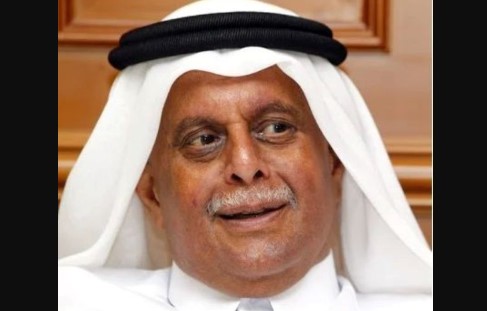
Abdullah bin Hamad al-Attiyah was more than just a politician; he was a visionary who helped shape Qatar’s modern identity. Known as the “architect of Qatar’s energy transformation,” he played a central role in turning the country into the world’s largest exporter of liquefied natural gas. His influence extended beyond energy, touching governance, transparency, and international diplomacy. His death in May 2026 marked the end of an era for Qatar and the global energy community.
Born in Doha in 1952, al-Attiyah’s journey from a young graduate of the University of Alexandria to one of the most respected figures in international energy politics is a story of dedication and service. His life reflects the rise of Qatar itself, from a small Gulf nation to a global energy leader.
Abdullah bin Hamad al-Attiyah Age, Death, Career, Family, BIO
| Attribute | Details |
|---|---|
| Full Name | Abdullah bin Hamad al-Attiyah |
| Date of Birth | 5 December 1952 |
| Place of Birth | Doha, Qatar |
| Date of Death | 27 May 2026 |
| Place of Death | London, United Kingdom |
| Age at Death | 73 years |
| Nationality | Qatari |
| Religion | Islam |
| Education | University of Alexandria, Egypt (Graduated 1976) |
| Occupation | Politician, Energy Leader |
| Known For | Former Deputy Prime Minister of Qatar, Minister of Energy & Industry, Chairman of Qatar Petroleum |
| Major Roles | OPEC President (1993), Chairman of UN Commission on Sustainable Development (2006), President of UNFCCC COP18 (2012) |
| Foundation | Founder & Chairman of Abdullah Bin Hamad Al-Attiyah International Foundation for Energy & Sustainable Development (2015) |
| Awards & Honors | Man of the Year in Hydrocarbon Development (2007), Honorary Doctorate from Texas A&M University (2011) |
| Marital Status | Married |
| Children | Six |
| Hobbies | Reading, Fishing, Radio Communications |
| Radio Call-Sign | A71AU |
| Burial Place | Al Kharaitiyat Cemetery, Doha, Qatar |
| Wikipedia | @Abdullah_bin_Hamad_al-Attiyah |
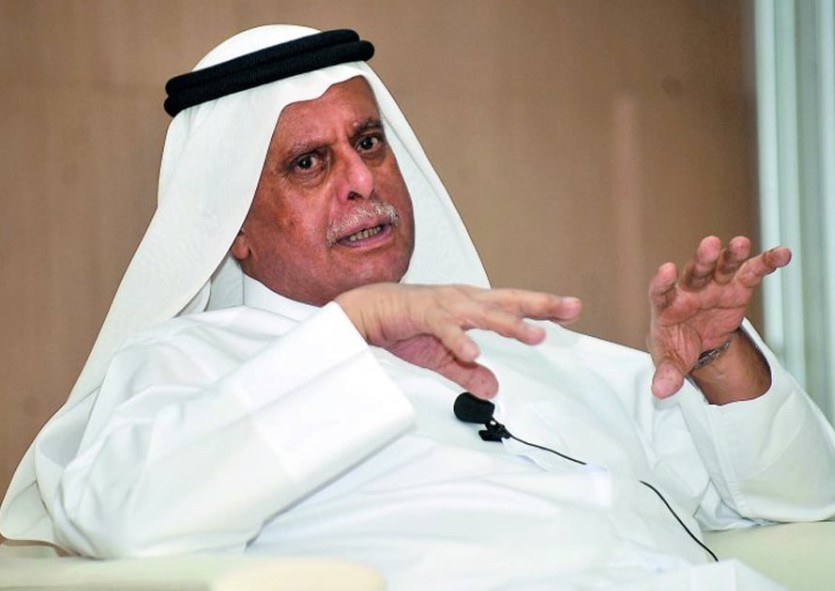
Early Life and Background
Abdullah bin was born on 5 December 1952 in Doha, Qatar. Growing up in a traditional Qatari household, he was deeply influenced by the values of service and responsibility. His early education prepared him for a career in public service, and in 1976, he graduated from the University of Alexandria in Egypt with a bachelor’s degree.
His academic background gave him a strong foundation in economics and administration, which later proved crucial in his handling of Qatar’s energy policies. From the beginning, al-Attiyah showed a keen interest in international relations and governance, qualities that would define his career.
Personal Life
Despite his busy public life, al-Attiyah valued his family and personal interests. Abdullah was married and had six children, and his family remained a source of strength throughout his career.
He was well-known for his interests in radio communications, fishing, and reading. His amateur radio call-sign, A71AU, reflected his passion for connecting with people across the world. These interests showed a lighter side of a man often seen in the corridors of power, reminding many that he was approachable and grounded.
Age and Death
Abdullah bin Hamad al-Attiyah lived a long and impactful life. Hamad al-Attiyah passed away on 27 May 2026 in London, United Kingdom, at the age of 73.
His death was widely mourned in Qatar and across the world. Thousands attended his funeral in Doha, where he was laid to rest at Al Kharaitiyat Cemetery. Leaders, citizens, and international figures paid tribute to his contributions, describing him as a “proud son of Qatar” and a “spiritual father” of the nation’s energy sector.
Entry into Public Service
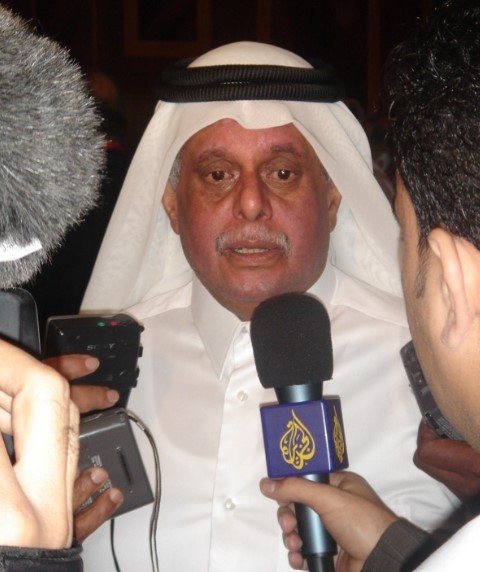
Al-Attiyah started working for the Ministry of Finance and Petroleum in Qatar in 1972. By 1973, he was appointed Head of International and Public Relations, a role he held until 1986.
His early years in government gave him valuable experience in managing Qatar’s growing energy relations. Between 1986 and 1989, he served as Director of the Office of the Ministry of Interior, and later as Acting Minister of Finance and Petroleum from 1989 to 1992. These roles prepared him for the leadership positions that would define his career.
See Also:- Natali Litvinova
Rise in Government and Energy Sector
In 1992, al-Attiyah was appointed Minister of Energy and Industry and became Chairman and Managing Director of Qatar Petroleum. This was a turning point, as he oversaw the expansion of Qatar’s energy industry and its entry into global markets.
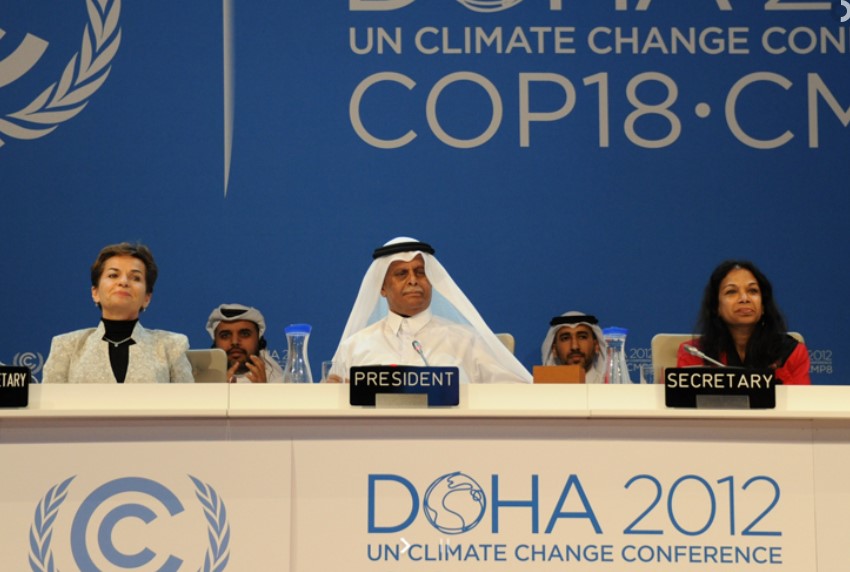
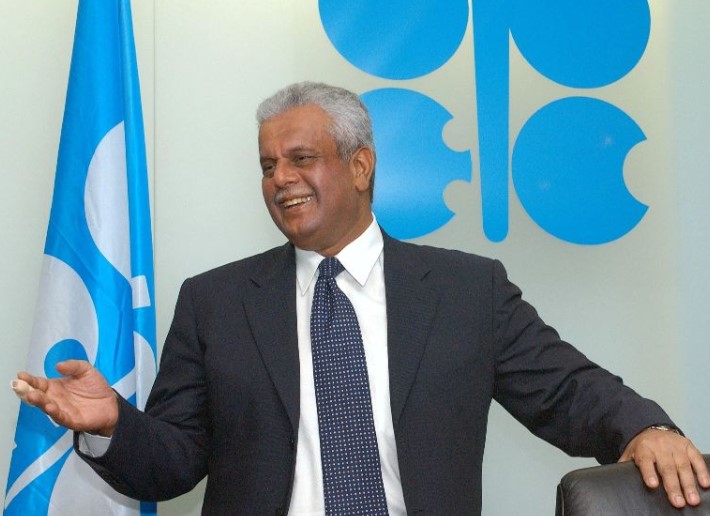
By 1993, he was elected President of OPEC, where he played a key role in stabilizing oil markets. His leadership during this period was critical in positioning Qatar as a reliable energy supplier. He also managed electricity and water sectors after they were merged into the Ministry of Energy and Industry in 1999.
Leadership Roles in Qatar
Abdullah bin Hamad al-Attiyah’s rise in government was steady and marked by trust from the Qatari leadership. In 2007, he was appointed Deputy Prime Minister, a role that expanded his influence beyond energy into broader governance. He also served as Chairman of the Qatar Planning Commission, where he helped design long-term strategies for the nation’s development.
In 2011, he became Chief of the Amiri Diwan, the royal court of Qatar, and later took charge as President of the Qatar Administrative Control and Transparency Authority. These positions reflected his reputation as a man of integrity and accountability. His leadership was not limited to energy; he was also a strong advocate for transparency in governance, ensuring that Qatar’s institutions operated with credibility.
International Recognition and Achievements
His influence reached the global stage, where he became a respected voice in energy and sustainability. In 2007, he was named Man of the Year in Hydrocarbon Development by BP Intelligence Bulletin, recognizing his role in expanding Qatar’s gas industry. In 2011, Texas A&M University awarded him an Honorary Doctorate, acknowledging his contributions to energy and sustainable development.
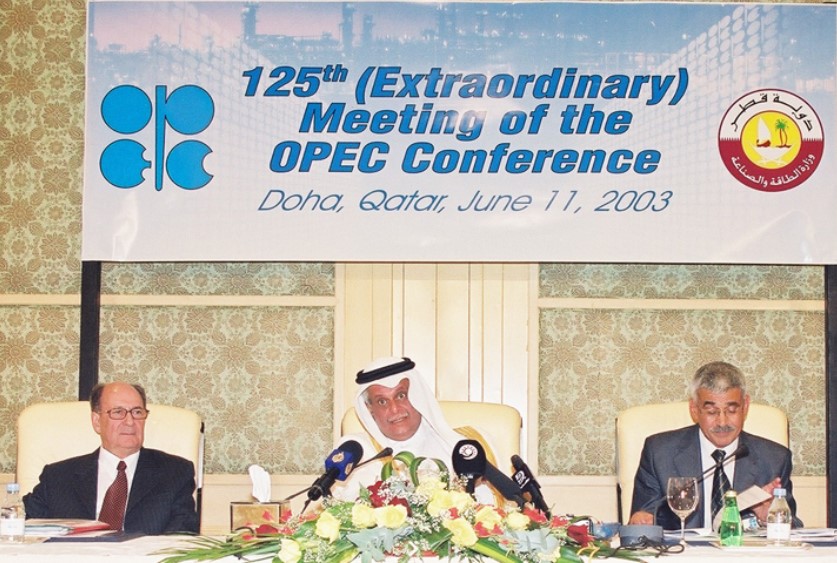
He also chaired the United Nations Commission on Sustainable Development in 2006, showing his commitment to balancing energy growth with environmental responsibility. Perhaps his most notable achievement came in 2012, when he served as President of the 18th UN Climate Change Conference (UNFCCC COP18) held in Doha.
Establishment of the Al-Attiyah Foundation
In 2015, Abdullah al-Attiyah launched the Abdullah Bin Hamad Al-Attiyah International Foundation for Energy and Sustainable Development. This foundation became a hub for research, dialogue, and policy-making in energy and sustainability.
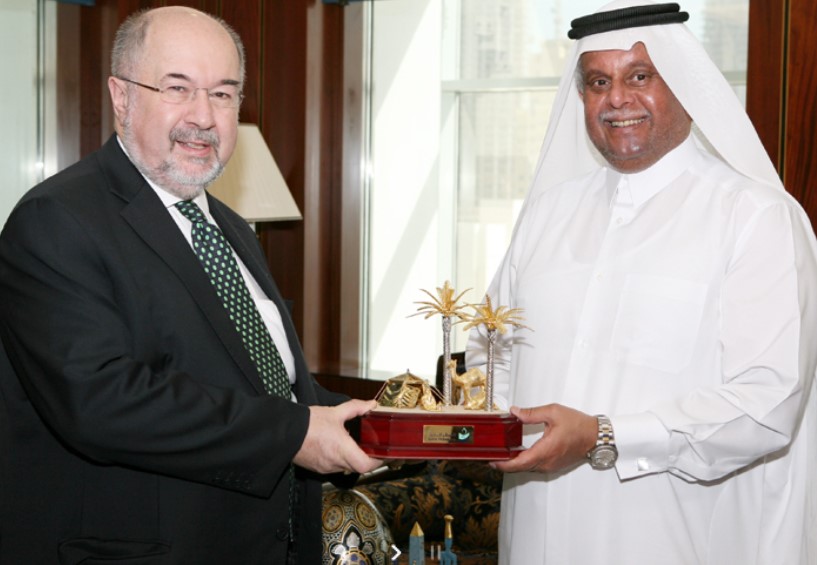
As Chairman of the Board of Trustees, he ensured that the foundation promoted knowledge-sharing and innovation. The foundation organized conferences, published reports, and supported young researchers, reflecting his belief that energy leadership must be passed on to future generations.
Interesting Facts
- He began his government career at the young age of 20 in 1972.
- He served as President of OPEC in 1993, a critical period for oil markets.
- He was deeply passionate about radio communications and had his own call-sign, A71AU.
- He played a central role in bringing the UN Climate Change Conference (COP18) to Doha in 2012.
- He was honored with an Honorary Doctorate from Texas A&M University in 2011.
- He was widely respected as a negotiator who could balance Qatar’s national interests with global sustainability goals.
Read Also:- Kenneth Iwamasa