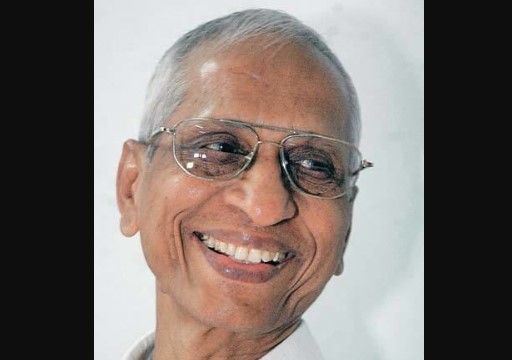
G. R. Khairnar is remembered as one of the most fearless officers in Mumbai’s civic history. Popularly called the “Demolition Man” or the “Bombay Bulldozer,” he became famous for taking strong action against illegal constructions and encroachments in the city. At a time when many officials hesitated to act against powerful builders, politicians, and even underworld figures, Khairnar stood firm and showed that the law must be the same for everyone.
Born in 1942 in a small village in Nashik, Maharashtra, Khairnar rose from humble beginnings to become Deputy Commissioner of the Brihanmumbai Municipal Corporation (BMC). His bold demolitions, including properties linked to Dawood Ibrahim and Tiger Memon, made him a household name. For ordinary citizens, he was a symbol of honesty and courage, someone who dared to challenge corruption and misuse of power.
G. R. Khairnar Age, Wife, Career, Family, BIO
| Attribute | Details |
|---|---|
| Full Name | G. R. Khairnar (Govind Ragho Khairnar) |
| Popular Names | “Demolition Man of Mumbai”, “Bombay Bulldozer”, “One Man Demolition Army” |
| Date of Birth | 14 April 1942 |
| Age (as of 2026) | 84 years |
| Birthplace | Pimpalgaon (W), Nashik District, Maharashtra, India |
| Nationality | Indian |
| Education | B.Com (Honours) – Bhikusa Yamasa Kshatriya College of Commerce, Nashik |
| Early Achievement | Won “Ideal Student” award; Active in National Cadet Corps (NCC) |
| Occupation | Former Deputy Commissioner, Brihanmumbai Municipal Corporation (BMC) |
| Known For | Demolition of illegal constructions; fearless action against corruption |
| Major Actions | Demolition of Dawood Ibrahim’s “Sheesh Mahal”; Tiger Memon’s property |
| Years Active | 1964 – 2002 (Government Service) |
| Autobiography | Ekaki Zunj (The Lonely Fight), published in 1995 |
| Family | Wife – Ashalata Khairnar; Children – One son and daughter Sangita Khairnar (superintendent in Indian Airlines) |
| Notable Collaborations | Brief association with Anna Hazare in anti‑corruption campaigns |
| Social Work | Activism against human trafficking; rescued minor girls from Kamathipura |
| Retirement | 2002, but continued activism and public speaking |
| Wikipedia | @G._R._Khairnar |
Early Life and Background
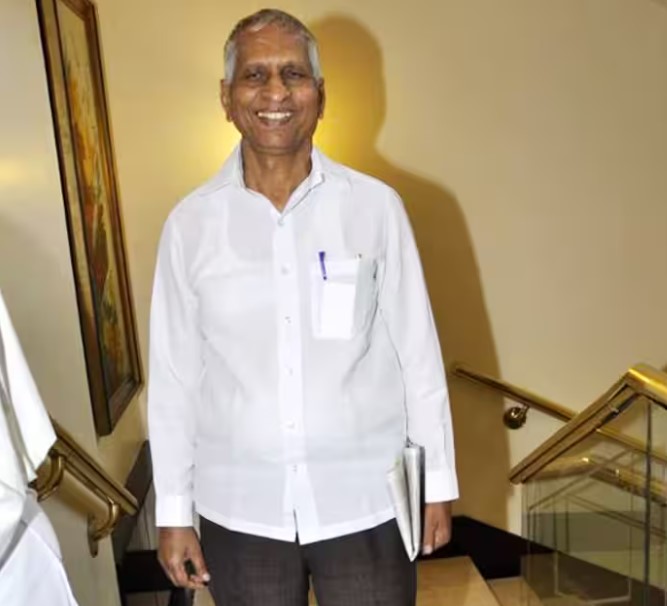
G. R. Khairnar was born on 14 April 1942 in Pimpalgaon (W), Nashik district, Maharashtra. His father, Ragho Khairnar, worked as a middleman for farm produce, while his two elder twin brothers managed the family’s agricultural land.
Despite financial struggles, Khairnar’s parents encouraged him to study. He attended a Marathi-medium school, where he developed a love for learning. His childhood was marked by discipline, honesty, and a strong sense of responsibility — values that would later define his career.
Education and College Achievements
Khairnar’s academic journey took him to Bhikusa Yamasa Kshatriya College of Commerce in Nashik. Here, he excelled not only in studies but also in extracurricular activities. His dedication earned him the “Ideal Student” award, a recognition that highlighted his leadership qualities and commitment to excellence. He was also an active member of the National Cadet Corps (NCC), where he learned discipline, teamwork, and the importance of service to the nation.
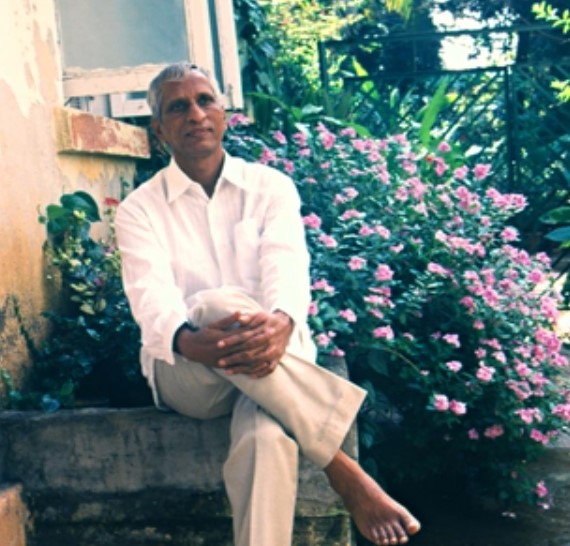
After completing his graduation in Commerce (Honours), Khairnar decided to pursue a career in government service. His determination and hard work soon paid off when he cleared the State Services Examination in 1964. This marked the beginning of a journey that would eventually make him one of the most respected officers in Maharashtra.
Entry into Government Service
After completing his graduation, G. R. cleared the State Services Examination in 1964. He was appointed as an Upper Division Clerk in the Maharashtra government. For a boy from a farming family, this was a proud achievement. It showed how education and determination could change one’s destiny.
In 1974, Khairnar joined the Brihanmumbai Municipal Corporation (BMC) as an Accounts Officer. This role gave him a close look at how the city worked. He saw how rules were often bent for the rich and powerful. He also noticed how ordinary citizens suffered because of corruption and illegal practices.
See Also:- Blue Pongtiwat
Rise in Brihanmumbai Municipal Corporation (BMC)
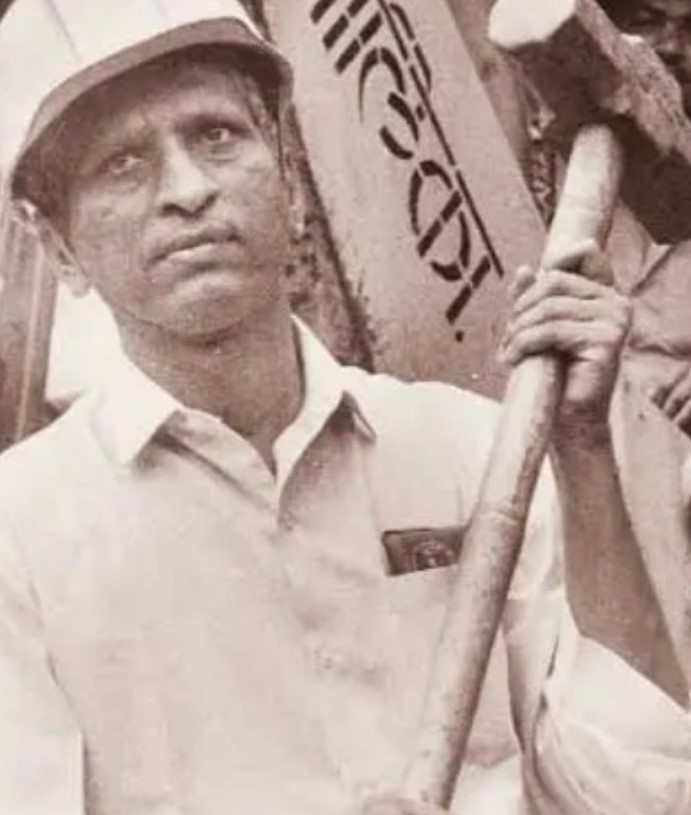
By 1985, Khairnar was promoted to Ward Officer. This position gave him the authority to act against illegal constructions. His first major demolition was the Hotel “Step In”, which was linked to the son of then Chief Minister Vasantdada Patil. This bold move shocked many because few officers dared to touch properties connected to politicians.
From that moment, Khairnar became known as a fearless officer. He did not care about political pressure or threats. His actions showed that he believed in the law above all else. Citizens began to notice him, and he slowly earned the nickname “Bombay Bulldozer.”
Deputy Commissioner and Major Demolitions
In 1988, Khairnar was appointed Deputy Commissioner of BMC. This gave him even more power to act against illegal structures. He used this authority to target encroachments, unauthorized religious structures, and properties owned by underworld figures.
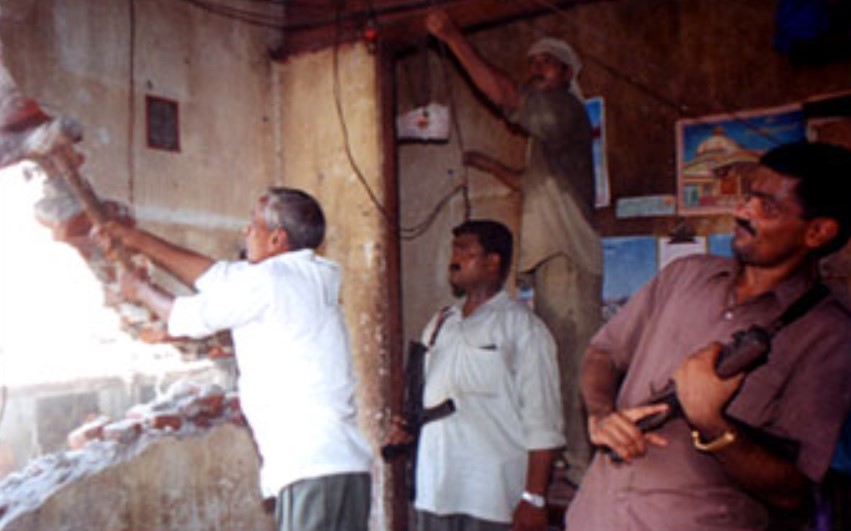
One of his most famous actions was the demolition of Dawood Ibrahim’s luxury property “Mehjabeen,” also known as Sheesh Mahal. This was a bold step because Dawood was one of the most feared underworld dons in Mumbai. Khairnar also demolished properties linked to Tiger Memon, another notorious figure. These actions made headlines across the country.
Conflict with Politicians and Suspension
Khairnar’s fearless actions soon brought him into conflict with politicians. In 1993, he openly accused Sharad Pawar, a senior leader, of corruption. This was a rare move for a government officer. His statements created a storm in political circles.
In 1994, Khairnar was suspended after an inquiry found him guilty of “overstepping authority.” Many believed this was punishment for his honesty. His supporters argued that he was targeted because he dared to challenge powerful people. During his suspension, Khairnar did not remain silent.
Public Campaigns & Writing Career
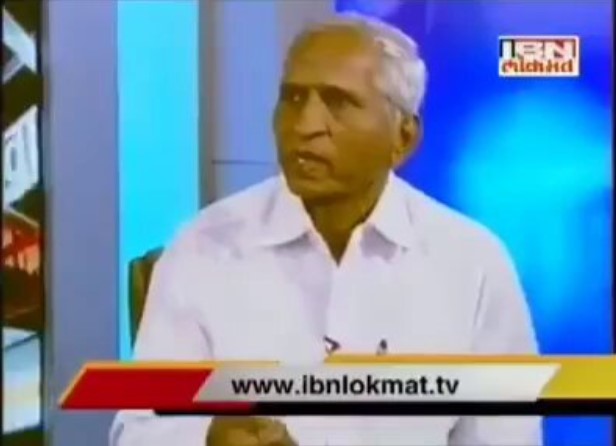
When Khairnar was suspended in 1994, many thought his career was over. But instead of staying quiet, he used this time to speak directly to the people. He organized public rallies across Maharashtra, where he openly talked about corruption in politics and the deep links between politicians and the underworld.
In 1995, Khairnar published his autobiography titled “Ekaki Zunj” (The Lonely Fight). The book gave readers a close look at his struggles, his battles against corruption, and the personal sacrifices he made. It was not just a story of demolitions but also of the emotional toll of standing alone against powerful forces.
Return to Service and Later Career
After years of suspension and public campaigns, Khairnar was reinstated in 2000 as Deputy Commissioner of BMC. He returned to his old role with the same energy and continued demolitions of illegal structures. In 2001, he was appointed as Officer on Special Duty with CIDCO (City and Industrial Development Corporation). This role allowed him to work on urban planning and development issues.
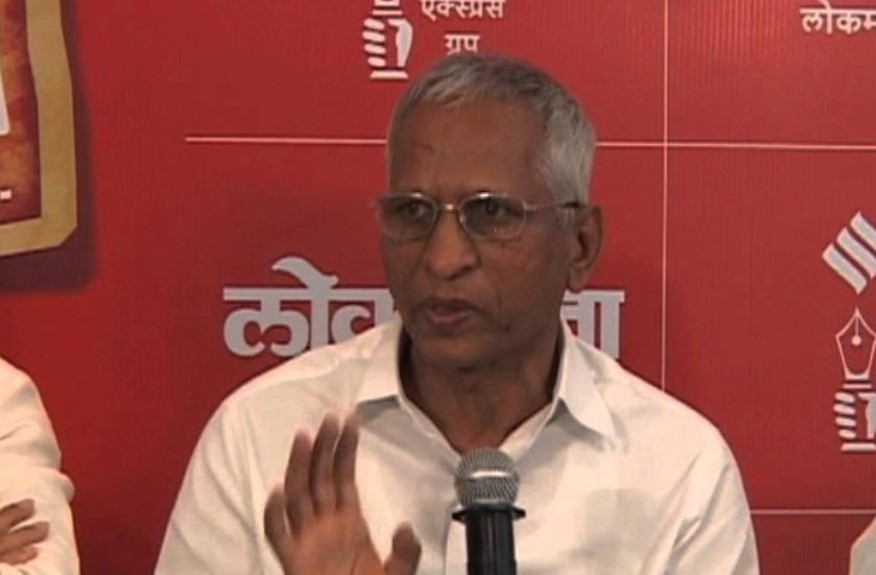
He retired in 2002, but even after retirement, he remained active in social causes. Khairnar’s fight did not end with his retirement. He briefly collaborated with Anna Hazare, the well-known social activist, during campaigns against corruption. However, he later chose to work independently. One of his most notable efforts was against human trafficking and prostitution in Mumbai’s Kamathipura area.
Personal Life and Family
Behind the fearless officer was a family that supported him through every challenge. Khairnar is married to Ashalata Khairnar. Together, they have a son and a daughter. His daughter, Sangita Khairnar, worked as a superintendent in Indian Airlines.
Khairnar’s fearless actions earned him several nicknames such as the “Demolition Man,” “Bombay Bulldozer,” and “One Man Demolition Army.” These titles reflected the respect and admiration he gained from the public. His work inspired many citizens to believe that honesty could survive in public service.
Read Also:- Deepti Gaur Mukerjee