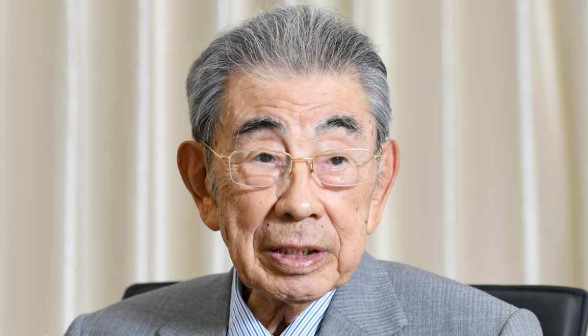
Toshifumi Suzuki was one of the most respected business leaders in Japan and across the world. Known as the man who transformed the idea of convenience stores into a global success story, he played a key role in shaping modern retail. His leadership at Seven-Eleven Japan and later at Seven & I Holdings turned a small idea into a worldwide phenomenon.
Suzuki passed away on 18 May 2026 in Tokyo at the age of 93. On May 25, 2026, a week later, Seven & I Holdings confirmed his passing. The cause was heart failure, and his passing marked the end of an era in Japanese business. Even though he is no longer with us, his ideas and innovations continue to influence how millions of people shop every day.
Toshifumi Suzuki Age, Death, Wife, Parents, BIO
| Attribute | Details |
|---|---|
| Full Name | Toshifumi Suzuki |
| Birth Date | 1 December 1932 |
| Birth Place | Nagano Prefecture, Japan |
| Parents | Father: Jinshiro Suzuki (Mayor of Sakaki) Mother: Hisaki (Silkworm business owner) |
| Siblings | Nine siblings (Suzuki was the second youngest) |
| Education | Studied Economics at Chuo University, Tokyo |
| Early Career | Began in publishing sales; joined Ito-Yokado in 1963 after meeting Masatoshi Ito |
| Major Contribution | Founder and President of Seven-Eleven Japan; introduced convenience store model in Japan |
| Technological Innovation | Introduced computerized point-of-sale registers in 1974; partnered with Microsoft and NEC for advanced retail systems |
| Expansion | Oversaw growth to 1,000+ stores by 1981; Ito-Yokado acquired 70% of Southland Corporation in 1991 |
| Leadership Roles | Director at Ito-Yokado (1971); President of Seven-Eleven Japan (1973); Head of Seven & I Holdings (2005) |
| Personal Life | Married; two children including son Yasuhiro Suzuki |
| Net Worth | Estimated at $200 million at the time of death |
| Awards & Recognition | Ranked 5th most respected business leader in Japan (2004) |
| Death | 18 May 2026, Tokyo, Japan (Heart failure) |
| Age at Death | 93 years |
| Wikipedia | @Toshifumi_Suzuki |
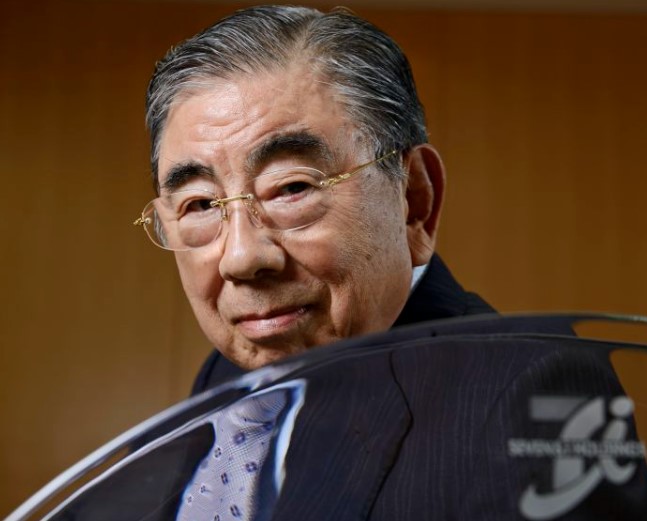
Early Life and Family Background
Toshifumi Suzuki was born on 1 December 1932 in Nagano Prefecture, Japan. He grew up in a large family with nine siblings, being the second youngest child. His father, Jinshiro Suzuki, served as the mayor of Sakaki, while his mother, Hisaki, managed a silkworm business.
Suzuki moved to Tokyo for higher studies and enrolled at Chuo University, where he studied economics. He became actively involved in student protests and labor union movements.
First Steps in Career
After completing his studies, Suzuki began his career in publishing sales. This job gave him exposure to the world of business and marketing. However, his life changed in 1963 when he met Masatoshi Ito, the founder of Ito-Yokado, one of Japan’s leading supermarket chains. Ito recognized Suzuki’s talent and invited him to join his company.
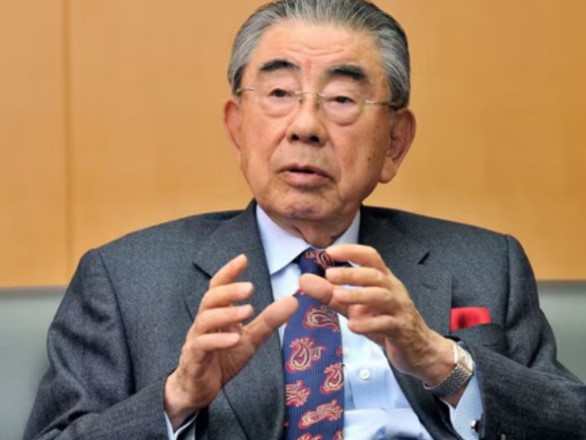
Suzuki accepted the offer and entered the retail industry. By 1971, he had become a director at Ito-Yokado. His early years in retail were marked by learning and experimentation. He studied consumer behavior closely and realized that Japanese lifestyles were changing. People wanted quick access to food and daily items without spending hours in large supermarkets.
Visionary Move into Retail Innovation
By the early 1970s, Toshifumi Suzuki had already proven himself as a sharp thinker at Ito-Yokado. In 1973, he visited the United States to study retail trends. During this trip, he observed two models that caught his attention—Denny’s restaurants and 7-Eleven convenience stores. He realized that Japan’s fast-paced urban lifestyle needed something similar.
Suzuki returned to Japan with a clear vision. He believed that convenience stores could fit perfectly into Japanese society, where small living spaces and busy schedules made quick shopping essential. His idea was not just about selling products; it was about creating a system that matched the rhythm of modern life. This was the turning point that set him apart from other business leaders of his time.
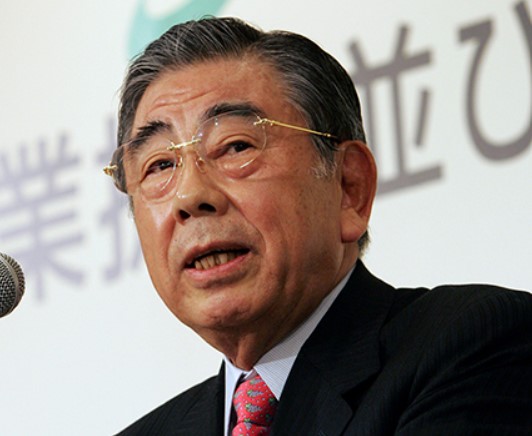
Founding of Seven-Eleven Japan
In 1973, Suzuki signed a licensing agreement with the Southland Corporation, the American company behind 7-Eleven. This marked the birth of Seven-Eleven Japan, with Suzuki as its president. The first store opened in Tokyo in 1974, and it quickly became popular.
Suzuki’s approach was different from traditional Japanese retail. He focused on trust and transparency with franchise owners. He believed that the success of the company depended on the success of each store. By empowering franchisees and giving them access to real-time data, he built a strong network of motivated partners.
See Also:- Stewart McLean
Technological Innovations in Retail
In 1974, Seven-Eleven Japan introduced computerized point-of-sale registers. This was revolutionary at the time. These machines collected data on sales, customer preferences, and even weather conditions. Suzuki partnered with Microsoft and NEC to develop advanced systems that could analyze this information.
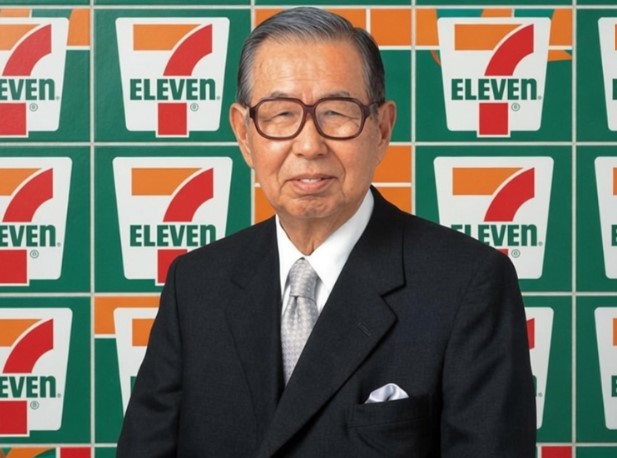
The result was a highly efficient supply chain. Stores could predict demand, reduce waste, and keep shelves stocked with the right products. For example, if the weather forecast predicted rain, stores would stock more umbrellas and hot food. This level of detail made shopping at 7-Eleven not just convenient but also reliable.
Expansion and Global Dominance
By the early 1980s, Seven-Eleven Japan had already crossed 1,000 stores. In 1981, the company was listed on the Tokyo Stock Exchange, marking its arrival as a major player. Suzuki did not stop there. In 1989, Seven-Eleven Japan acquired 58 stores in Hawaii, expanding beyond Japan. Two years later, in 1991, Ito-Yokado purchased 70% of Southland Corporation for $430 million.
Under Suzuki’s leadership, Seven-Eleven Japan grew stronger than its U.S. counterpart. The brand became a global symbol of convenience, with stores opening in multiple countries. Suzuki’s strategy of combining local needs with global standards made 7-Eleven a household name worldwide.
Personal Life
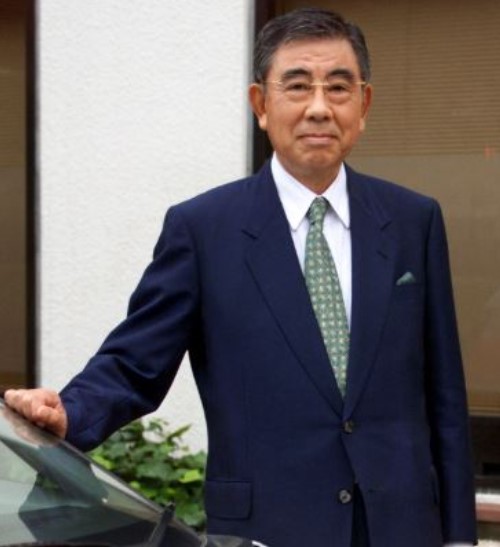
Behind his professional success, Suzuki lived a private family life. He was married and had two children, including his son Yasuhiro Suzuki. Unlike many public figures, he kept his family away from the spotlight. His focus was always on his work and the people who trusted his vision.
At the time of his death, Suzuki’s net worth was estimated at $200 million. He was renowned for his straightforward lifestyle and commitment to his business despite his affluence. He believed that success was not just about money but about building something that could serve society. His family remained his support system throughout his journey.
Awards and Recognition
Suzuki’s contribution to business did not go unnoticed. In 2004, he was ranked as the fifth most respected business leader in Japan. This recognition reflected the admiration he earned from peers and the public. He was praised for his foresight, his ability to adapt to change, and his commitment to innovation.
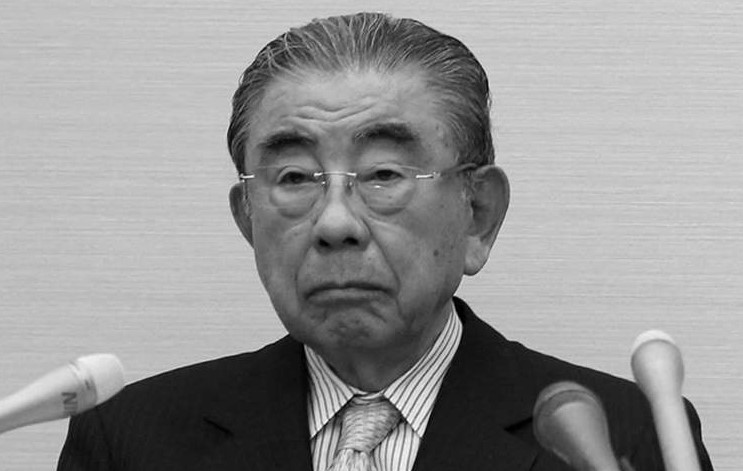
His awards and honors were not just about personal achievement. They symbolized the impact he had on Japan’s economy and on the daily lives of millions of people. By making convenience stores a part of everyday life, he changed how people shopped and lived.
Death and Legacy
On 18 May 2026, Toshifumi passed away in Tokyo due to heart failure. Suzuki was 93 years old. The news was announced by Seven & I Holdings on 25 May 2026, and it was received with sadness across Japan and the global business community. His death marked the end of a remarkable journey that spanned decades.
Suzuki’s legacy is not just about the success of Seven-Eleven. It is about the vision he had for society. He understood that convenience was not a luxury but a necessity. His ideas continue to shape retail businesses worldwide. Every time someone walks into a convenience store, they are experiencing a system that Suzuki helped create.
Read Also:- Debangshu Panda