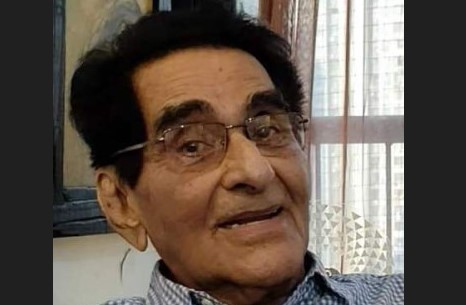
Sudesh Kumar, also known as Sudesh Dhawan, was one of the most respected names in Indian cinema during the golden era of the 1950s to 1970s. His journey from theatre to films and later to film production reflects the story of a man deeply committed to the art of storytelling. Over the decades, he became a familiar face in family dramas, social films, and romantic stories that touched audiences across India. His passing in May 2026 at the age of 95 marked the end of a remarkable chapter in Bollywood history.
Kumar’s career was not just about acting; it was about creating cinema that resonated with ordinary people. His films often carried themes of family, love, and social values, making him a household name. Even after he moved into production, his projects continued to reflect the same warmth and relatability that defined his acting career.
Sudesh Kumar Age, Death, Spouse, Family, BIO
| Attribute | Details |
|---|---|
| Full Name | Sudesh Kumar (also known as Sudesh Dhawan) |
| Profession | Actor, Film Producer |
| Date of Birth | 17 March 1931 (Tuesday) |
| Birthplace | Peshawar (then British India, now in Pakistan) |
| Age at Death | 95 years |
| Date of Death | 1 May 2026 |
| Place of Death | Breach Candy Hospital, Mumbai, Maharashtra, India |
| Cause of Death | Brain Stroke |
| Nationality | Indian |
| Education | Elphinstone College, Mumbai |
| Debut Film | Dayar-E-Habib (1956) |
| Notable Films (Actor) | Saranga (1961), Bharosa (1963), Khandan (1965), Chhoti Bahen (1959) |
| Notable Films (Producer) | Man Mandir (1970), Uljhan (1975), Badalte Rishtey (1978) |
| Theatre Background | Member of Prithviraj Kapoor’s theatre group |
| Marital Status | Married |
| Wife | Jaya Dhawan |
| Children | Daughter – Mishika |
| Residence | Mumbai, Maharashtra, India |
| IMDb | @nm0474893/ |
Early Life and Background
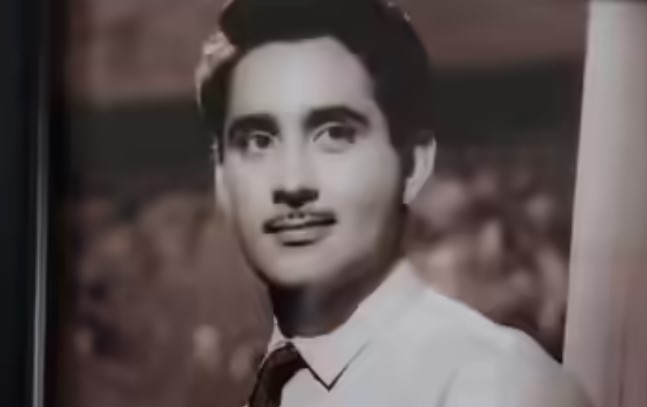
Sudesh was born on 17 March 1931 in Peshawar, which was then part of British India. Growing up in a middle-class household, Sudesh was expected to follow a traditional career path. His father wanted him to become a doctor, but Sudesh’s heart was elsewhere. He was drawn to the world of performance and storytelling.
Mumbai in the 1940s and 1950s was a hub of cultural activity, and Sudesh found himself surrounded by theatre and cinema. His decision to join Prithviraj Kapoor’s theatre group was a turning point. This exposure to stage acting gave him the discipline and confidence that later helped him transition into films.
Education and Personal Interests
Sudesh Kumar studied at Elphinstone College, Mumbai, where he pursued a science degree. Although he followed his father’s wishes academically, his passion for acting never faded. College life gave him opportunities to explore theatre and connect with like-minded individuals who shared his love for performance.
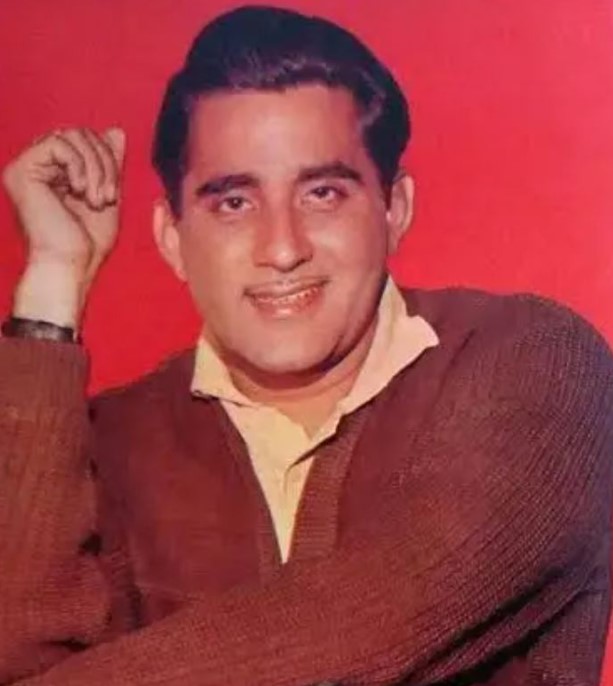
His interests were not limited to acting alone. He was known to be a keen observer of human emotions, which helped him bring authenticity to his roles. Friends and colleagues often described him as disciplined, humble, and deeply committed to his craft.
Entry into Theatre and Acting Career
Sudesh’s acting journey began with small roles in low-budget costume dramas and devotional films. Some of his early works included Dayar-E-Habib (1956), Pak Daman (1957), and Madame X Y Z (1959). These films may not have been commercial blockbusters, but they gave him valuable experience and visibility in the industry.
His breakthrough came in 1959 with the family drama Chhoti Bahen. The film’s success brought him recognition and opened doors to bigger projects. Audiences appreciated his natural acting style, which made him relatable and believable on screen.
Rise in Bollywood
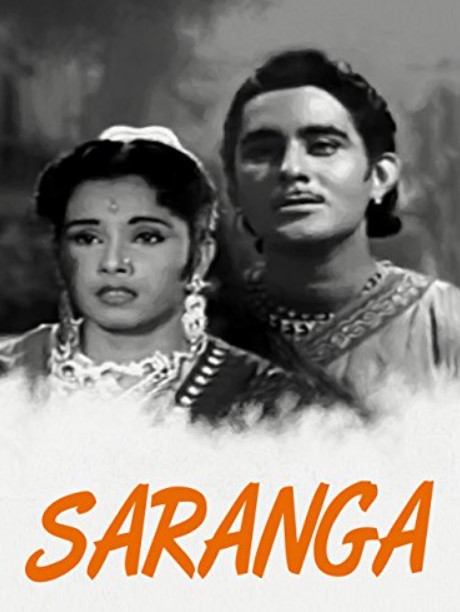
The 1960s were the defining years of Sudesh Kumar’s career. He starred in films like Paisa (1957), Saranga (1961), Bharosa (1963), and Khandan (1965). These films established him as a versatile actor capable of handling both romantic and family-oriented roles.
His role in Saranga was particularly memorable. The film’s music and storyline struck a chord with audiences, and Sudesh’s performance was widely praised. He became a familiar face in the golden era of Bollywood, often appearing alongside leading actors and actresses of the time.
See Also:- Bruno Rocha
Transition to Film Production
By the 1970s, Sudesh decided to explore another side of cinema—production. He produced films such as Man Mandir (1970), Uljhan (1975), and Badalte Rishtey (1978). These films were well-received and added another dimension to his career.
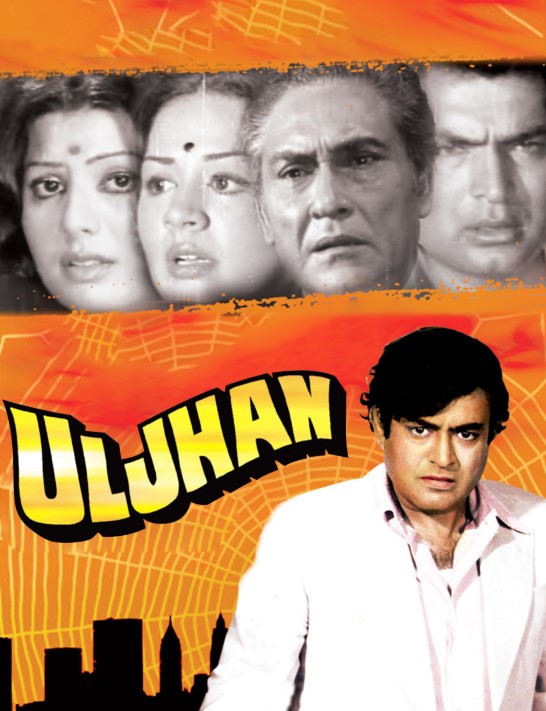
Producing films allowed him to shape stories from behind the camera. His productions often carried themes of family values and social issues, reflecting his belief that cinema should not only entertain but also inspire.
Personal Life and Family
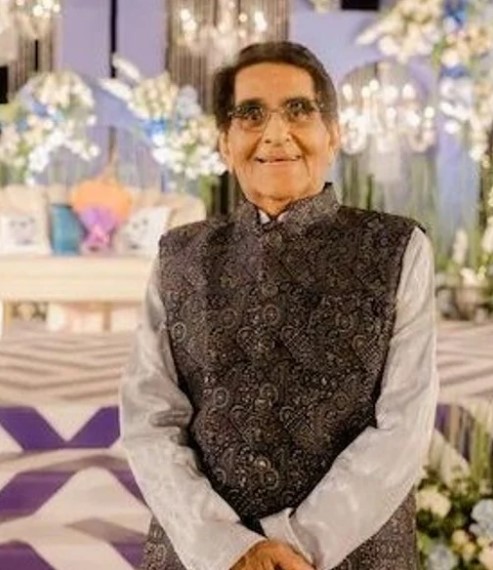
Sudesh married Jaya Dhawan in 1982. The couple shared a long and supportive relationship. They had a daughter named Mishika, who was by his side during his final days.
Family was always important to Sudesh. Despite his busy career, he remained deeply connected to his loved ones. His wife and daughter played a crucial role in supporting him during his health struggles in later years.
Later Years and Health
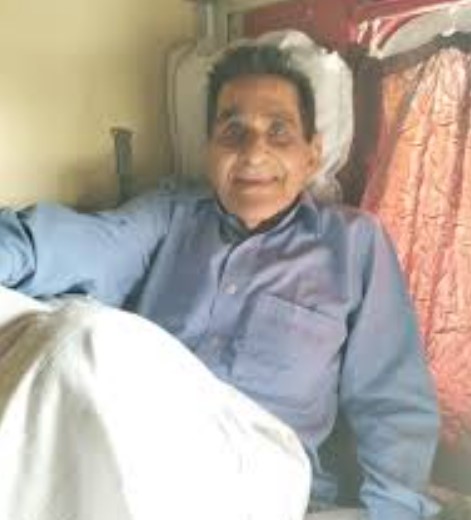
In his later years, Sudesh lived a quiet life in Mumbai. He faced health challenges, including a brain stroke in April 2026, which eventually led to his passing on 1 May 2026 at Breach Candy Hospital, Mumbai. His family confirmed that he had been under intensive medical care and was later moved home, where he breathed his last.
His death was mourned across the film industry. Colleagues and fans remembered him not only for his films but also for his humility and dedication.
Legacy and Influence
Kumar’s legacy lies in the warmth and relatability of his films. He was part of an era when cinema was deeply connected to family values and social themes. His work continues to inspire actors and producers who believe in meaningful storytelling.
Even today, films like Saranga and Khandan are remembered for their emotional depth and timeless appeal. His contributions as both actor and producer ensured that his name would remain etched in Bollywood history.
Interesting Facts & Trivia
- Sudesh Kumar’s father wanted him to be a doctor, but he chose acting instead.
- His breakthrough came with Chhoti Bahen (1959).
- He produced successful films in the 1970s, including Man Mandir and Badalte Rishtey.
- He was known for his disciplined lifestyle and humble nature.
- He is survived by his wife Jaya Dhawan and daughter Mishika.
Read Also:- Maria Ciuffo