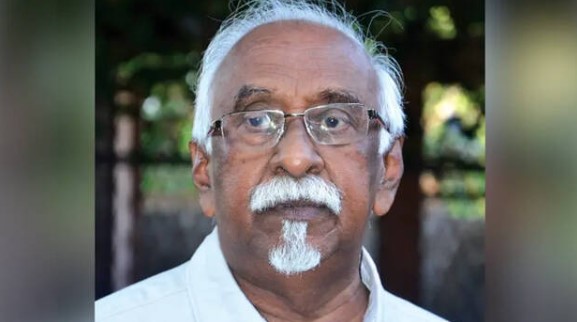
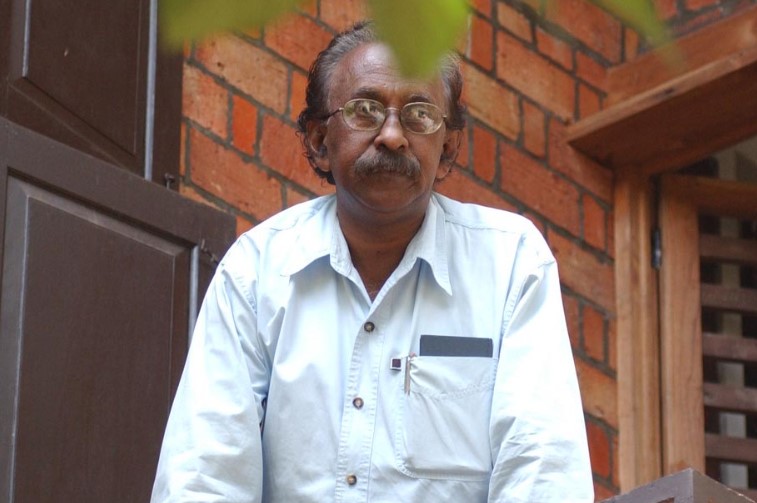
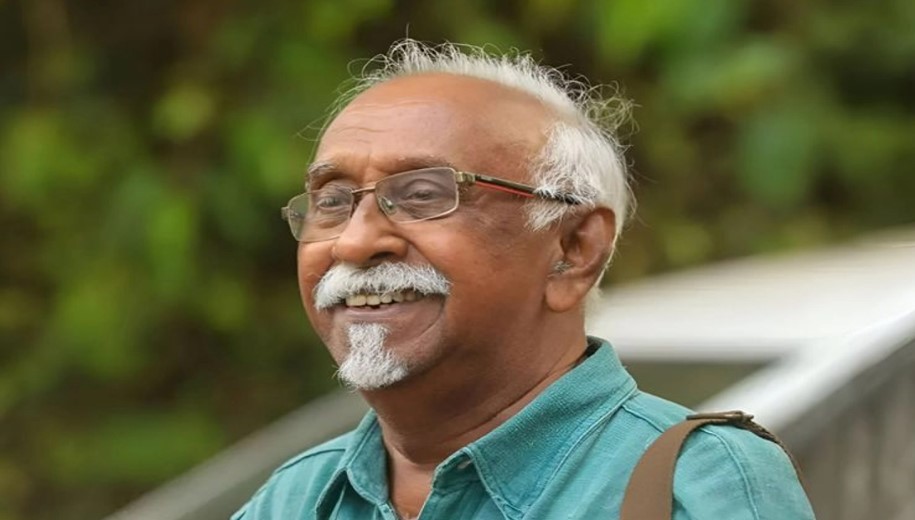
K. G. Sankara Pillai is one of the most respected names in Malayalam literature. Born in 1948, he has spent more than five decades shaping the modern poetry of Kerala. His works are known for their deep social meaning, human touch, and modernist style. In 2025, he was honoured with the Ezhuthachan Puraskaram, Kerala’s highest literary award, which marked a crowning moment in his long journey.
Readers often describe his poems as powerful yet simple. They carry the voice of ordinary people, their struggles, and their dreams. His writing is not only about beauty but also about truth. Over the years, he has become a symbol of modern Malayalam poetry, inspiring younger poets and writers across India. His journey from a small town in Kerala to becoming a national award-winning poet is a story of dedication, courage, and creativity.
K. G. Sankara Pillai Age, Spouse, Books, Family, Wiki
| Attribute | Details |
|---|---|
| Full Name | K. G. Sankara Pillai |
| Birth Year | 1948 |
| Age (as of 2025) | 77 Years |
| Birthplace | Chavara, Kerala, India |
| Nationality | Indian |
| Hometown | Chavara, Kerala |
| Parents | Father – A. N. Gopala Pillai Mother – G. Bhavani Amma |
| Education | Post Graduate S. N. College, Kollam University of Kerala |
| Occupation | Poet, Translator, Editor, Academic |
| Career Start | Lecturer in 1971 |
| Retired | 2002, as Principal of Maharaja’s College, Ernakulam |
| Notable Works | Kochiyile Vrikshangal (1993) K. G. Sankara Pillayude Kavithakal 1969–1996 (1997) KGS Kavithakal 1997–2007 (2007) |
| Editorial Work | Prasakthi (1974, seized by police) Samakaleena Kavitha (1991–1996) |
| Other Contributions | Samvidhayaka Sankalpam (theatre writings) Translations of world poetry into Malayalam |
| Human Rights Work | Chairperson of Jananeethi (Human Rights Organisation, Kerala) |
| Wikipedia | @K._G._Sankara_Pillai |
Early Life and Parents
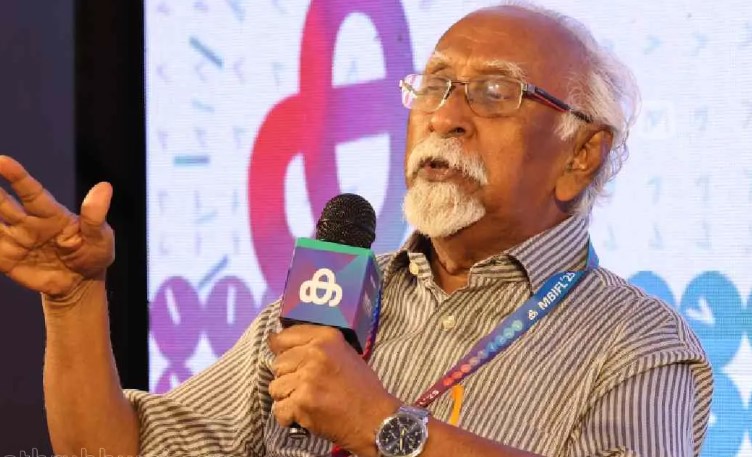
K. G. was born in Chavara, Kerala, in 1948. He grew up in a traditional family. His father was A. N. Gopala Pillai, and his mother was G. Bhavani Amma. The cultural environment of Chavara, with its mix of local traditions and social changes, played a strong role in shaping his early thoughts.
As a child, he was curious and sensitive to the world around him. He often observed the lives of people in his hometown and carried those impressions into his poetry later. The values of honesty and compassion that he learned from his parents stayed with him throughout his life.
Education and Academic Journey
Sankara Pillai studied at S. N. College, Kollam, and later at the University of Kerala, where he completed his postgraduate studies. His education gave him exposure to literature, philosophy, and politics. He was deeply influenced by modernist ideas during his student years, which later became the backbone of his poetry.
College life also introduced him to debates, discussions, and literary circles. He was not just a student of literature but also a keen observer of society. His academic journey helped him combine intellectual depth with creative expression. This mix of learning and observation made his poetry stand out from others of his time.
Beginning of Literary Career
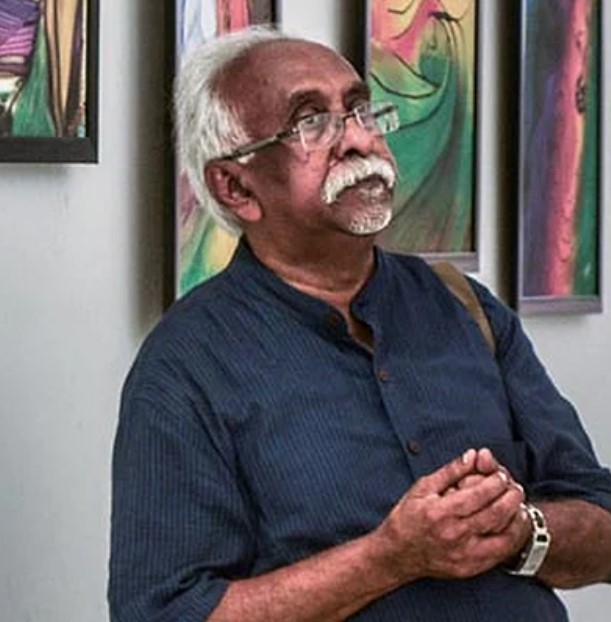
In 1971, Sankara Pillai began his career as a lecturer in literature. Teaching gave him a chance to share his love for poetry with students while continuing his own writing. His first major recognition came in the 1970s with the publication of his poem “Bengal”, which established him as a modernist poet.
“Bengal” was not just a poem; it was a statement. It showed his ability to connect personal feelings with larger social issues. Readers and critics noticed his unique style, which was different from traditional Malayalam poetry. This early success gave him confidence and opened doors to a long and respected literary career.
Rise as a Modernist Poet
K. G. Sankara Pillai became known in the 1970s as one of the leading voices of modernist poetry in Kerala. His poem “Bengal” was a turning point. It showed a new style of writing that was bold, fresh, and socially aware. Unlike traditional poetry, his words carried the pain and hope of ordinary people. Readers felt that his poems spoke directly to them.
Modernist poetry in Malayalam was still growing at that time. Pillai’s work gave it a strong push. He wrote about human struggles, civil rights, and social justice. His poems were not just about beauty but about truth. This made him different from many poets of his generation.
See Also:- Wing Commander Namansh Syal
Notable Works
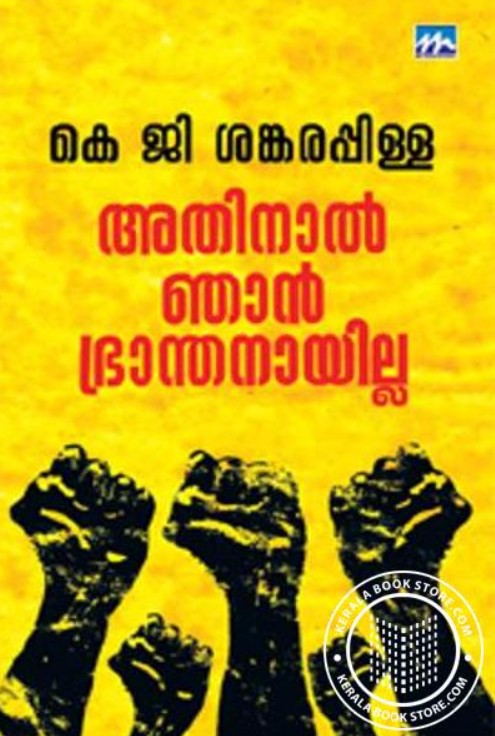
Sankara Pillai’s writing career gave Malayalam literature some of its most important books. His collections of poems are widely read and respected. His poems have been translated into many Indian languages and also into Chinese, French, German, English, and Sinhala.
Kochiyile Vrikshangal (1993): This book showed his ability to connect nature with human emotions. It became popular among readers who loved simple yet powerful poetry.
K. G. Sankara Pillayude Kavithakal 1969–1996 (1997): This anthology brought together nearly three decades of his work. It was a landmark publication that displayed his growth as a poet.
KGS Kavithakal 1997–2007 (2007): This collection continued his journey, showing how his style matured over time.
Awards and Honours
- 1998: Kerala Sahitya Akademi Award for K. G. Sankara Pillayude Kavithakal (1969–1996).
- 2002: Sahitya Akademi Award for the same anthology, proving its national impact.
- 2008: P. Kunhiraman Nair Award.
- 2009: Odakkuzhal Award and Habib Valappad Award.
- 2011: Pandalam Kerala Varma Award for KGS Kavithakal (1997–2007).
- 2018: Kerala Sahitya Akademi Fellowship, a recognition of his lifetime contribution.
- 2020: Kadammanitta Ramakrishnan Award.
- 2025: Ezhuthachan Puraskaram, Kerala’s highest literary honour.
Editorial and Translational Work
Apart from poetry, Sankara Pillai made important contributions as an editor and translator. He served as the editor of Prasakthi, a radical political magazine in the 1970s. The third issue of this magazine was seized by the police in 1974, showing the boldness of its content. Later, he edited Samakaleena Kavitha (1991–1996), which became a key space for modern poetry in Kerala.
He also translated poems from different parts of the world into Malayalam. This helped readers in Kerala connect with global literature. His translations carried the same sensitivity and respect that marked his own poetry. He also wrote Samvidhayaka Sankalpam, a collection of writings on theatre, showing his wide interest in the arts.
Social and Human Rights Engagement
Sankara Pillai was deeply involved in social and civil rights work. He served as the Chairperson of Jananeethi, a human rights organisation in Kerala. Through this role, he worked to protect the rights of ordinary people and gave voice to those who were often unheard.
His activism was not separate from his poetry. Many of his poems reflected his concern for justice and equality. He believed that literature should not only entertain but also awaken society. His involvement in human rights made him more than a poet; it made him a public intellectual and a moral voice in Kerala.
Personal Life and Family
Though much of his life was spent in public roles, Sankara Pillai remained close to his roots. His hometown Chavara continued to be a place of inspiration. He often spoke about the values he learned from his parents, A. N. Gopala Pillai and G. Bhavani Amma, which shaped his character.
He balanced his professional life with personal commitments. His family background gave him strength and stability. Even as he rose to national fame, he remained grounded in the traditions and culture of Kerala.
Interesting Facts
- His poem “Bengal” was a turning point in Malayalam modernist poetry.
- His works have been translated into Chinese, French, German, English, and Sinhala, reaching readers worldwide.
- He edited Prasakthi, a magazine so bold that one of its issues was seized by the police in 1974.
- He combined poetry with activism, serving as Chairperson of Jananeethi, a human rights organisation.
- In 2025, he received the Ezhuthachan Puraskaram, Kerala’s highest literary honour, marking his lifelong contribution.
Read Also:- Deepak Prakash (RLM)