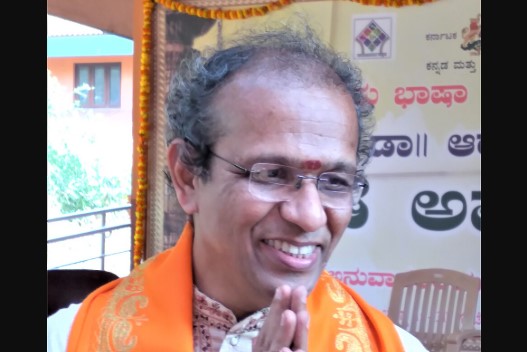
Shatavadhani Ganesh is one of the most respected names in Indian literature and culture today. Known widely as an Avadhani, he has mastered the rare art of Avadhana, which tests memory, concentration, and creativity in front of a live audience. Over the years, he has become a symbol of India’s intellectual tradition, blending ancient Sanskrit scholarship with modern thought.
Born in Karnataka, Ganesh has built a career that spans poetry, literature, translation, and public speaking. His performances are not only admired in India but also celebrated across the world. He is often described as a living bridge between classical knowledge and contemporary culture. For readers who want to understand how one man can carry forward centuries of tradition while staying relevant in today’s world, his story is both inspiring and fascinating.
Shatavadhani Ganesh BIO, Age, Family, Wife, Books
| Attribute | Details |
|---|---|
| Full Name | Dr. R. Ganesh |
| Popularly Known As | Shatavadhani Ganesh |
| Profession | Scholar, Poet, Author, Avadhani Performer |
| Date of Birth | 4 December 1962 |
| Age (as of June 2026) | 63 years |
| Birthplace | Kolar, Karnataka, India |
| Nationality | Indian |
| Height | 5’7” (171 cm) |
| Hair Colour | Black |
| Eye Colour | Black |
| Parents | Father – R. Shankar Narayan Aiyar; Mother – K. V. Alamelamma |
| Marital Status | Married |
| Education | B.E. in Mechanical Engineering (UVCE, Bengaluru); M.A. in Sanskrit; D.Litt. in Kannada (Hampi University) |
| Known For | Mastery of Avadhana (Aṣṭāvadhāna & Śatāvadhāna) |
| First Avadhana | 1981 (Astavadhana) |
| Landmark Performance | First Shatavadhana in 1991 at Bharatiya Vidya Bhavan, Bangalore |
| Major Works | The Art of Avadhana (Doctoral Thesis), Avadhana Sahasra |
| Languages Known | Sanskrit, Kannada, Telugu, Tamil, Hindi, Marathi, Prakrit, Pali, Greek, Latin, Italian |
| Awards & Honors | Badarayaṇa-Vyasa Puraskar (2003), Sediyapu Award (2010), Erya Award (2012), Sahitya Akademi Translation Prize (2021), Padma Bhushan (2026) |
| International Presence | Performed 20+ Avadhanas in the US and Europe |
| Unique Records | Composed poetry continuously for 24 hours |
| Wikipedia | @Shatavadhani_Ganesh |
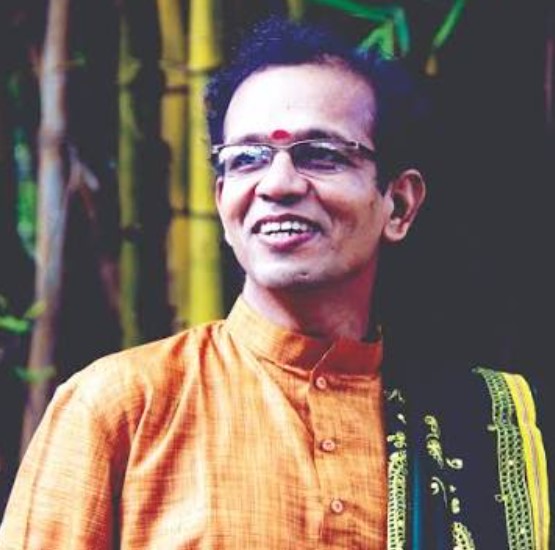
Early Life and Background
Shatavadhani Ganesh was born on 4 December 1962 in Kolar, Karnataka. Growing up in a culturally rich environment, he was exposed to multiple languages from an early age. Kannada was his mother tongue, but he also developed interest in Sanskrit, Telugu, and Tamil. This multilingual background later became one of his strongest assets as a performer and writer.
His childhood was shaped by a love for books and learning. Unlike many children who spend their early years in play, Ganesh was drawn to poetry and literature. By the age of 16, he had already started writing poems. This early start gave him the confidence to explore deeper forms of art and scholarship later in life.
Physical Appearance and Personality
Ganesh is often described as having a commanding presence on stage. Standing at 5 feet 7 inches (171 cm), with black hair and black eyes, he carries himself with dignity and calmness. His physical appearance may be simple, but his personality shines through his performances.
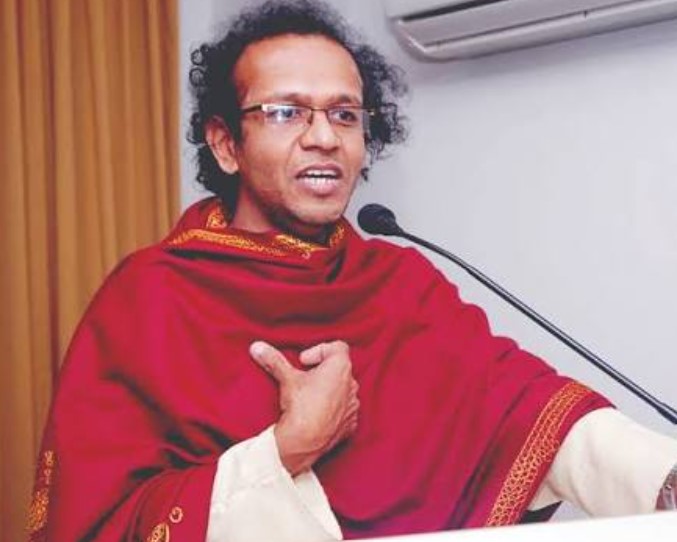
Audiences often note his ability to stay composed even during complex Avadhana sessions. His calm voice, sharp memory, and confident body language make him a natural performer. Unlike many scholars who prefer quiet study, Ganesh has the rare gift of engaging large crowds while maintaining intellectual depth.
Education and Academic Journey
Ganesh’s academic path is as unique as his career. He first studied Mechanical Engineering at University Visvesvaraya College of Engineering (UVCE), Bengaluru. This technical background gave him a scientific way of thinking, which later blended beautifully with his literary pursuits.
After completing engineering, he turned towards his true passion—Sanskrit. He earned a Master’s degree in Sanskrit and later completed a Doctor of Literature (D. Litt) from Hampi University. His doctoral thesis, The Art of Avadhana, became a landmark work in understanding this rare performance tradition.
Literature and Culture
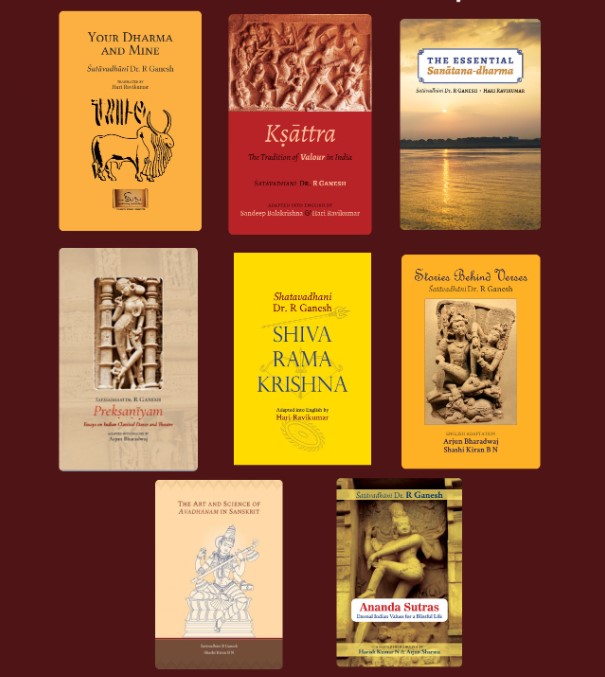
Ganesh is not just a performer; he is also a prolific writer and thinker. His doctoral thesis, The Art of Avadhana, is considered a landmark study of this tradition. He has authored several books, including Avadhana Sahasra, which explores the depth of Avadhana performances.
He has also delivered lectures on dance, music, art, culture, and poetics. His talks are known for their clarity and depth, making complex subjects easy to understand. Many of these lectures are available on YouTube, allowing a wider audience to learn from him. Ganesh has collaborated with painter B.K.S. Varma in Kavya-Chitra shows, where poetry and painting come together in live performances.
See Also:- Chetan Chaudhary
Family and Personal Life
Ganesh comes from a supportive family that encouraged his interests. His father, R. Shankar Narayan Aiyar, and his mother, K. V. Alamelamma, played a key role in shaping his values. They gave him the freedom to explore his talents while ensuring he stayed disciplined in his studies.
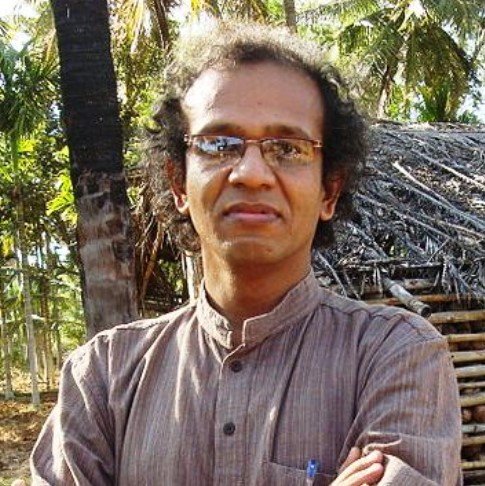
He is married and has built a family life that balances tradition with modernity. While Ganesh is often busy with performances and lectures, his family has always stood by him. This support system has allowed him to pursue his demanding career without losing touch with personal responsibilities.
Career Beginnings: Discovering Avadhana
Ganesh’s journey into Avadhana began in the early 1980s. In 1981, he was introduced to this rare art form by Lepakshi Medavaram Mallikarjuna Sharma. Avadhana is not just a performance; it is a test of memory, focus, and creativity. The performer must answer multiple questions, compose poetry, and solve problems all at once, often in front of a large audience.
Between 1981 and 1987, Ganesh performed 13 Astavadhanas, which involve eight simultaneous tasks. These early performances helped him build confidence and gain recognition among scholars and audiences. His turning point came in 1987 when he performed at Kolar during the centenary celebrations of the famous writer D. V. Gundappa. This event marked his entry into the world of serious Avadhana performances.
Rise to Fame: Shatavadhana Performances
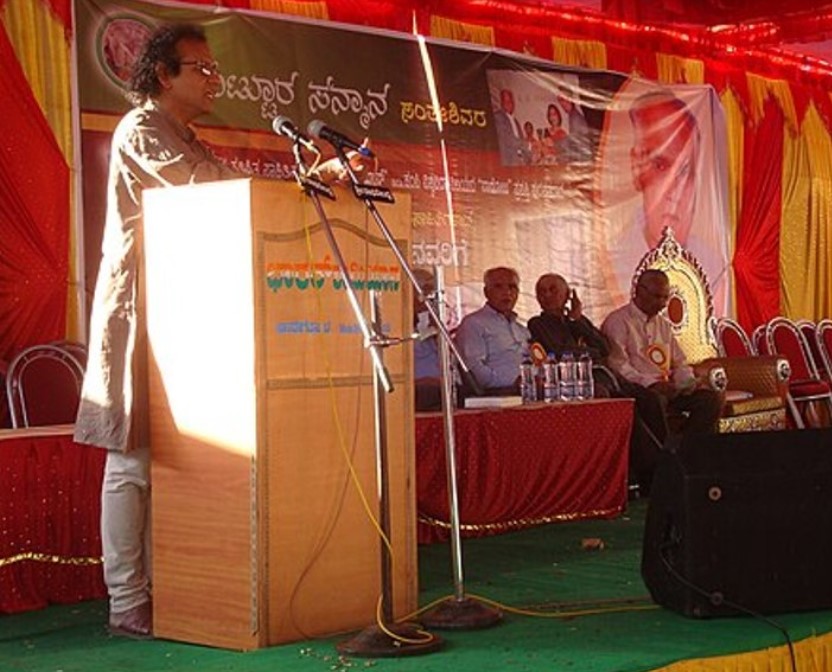
Ganesh’s fame grew rapidly after his first Shatavadhana performance in 1991 at Bharatiya Vidya Bhavan, Bangalore. Shatavadhana is far more complex than Astavadhana, as it involves answering 100 different questions or tasks at once. Over the years, he performed many Shatavadhanas, including his 100th and 200th Avadhanas in Kolar, which were celebrated as historic events.
Ganesh’s talent was not limited to India. He performed over 20 Avadhanas in the United States and Europe, introducing global audiences to this unique Indian tradition. These international performances helped spread awareness about Avadhana and earned him respect as a cultural ambassador.
Awards and Honors
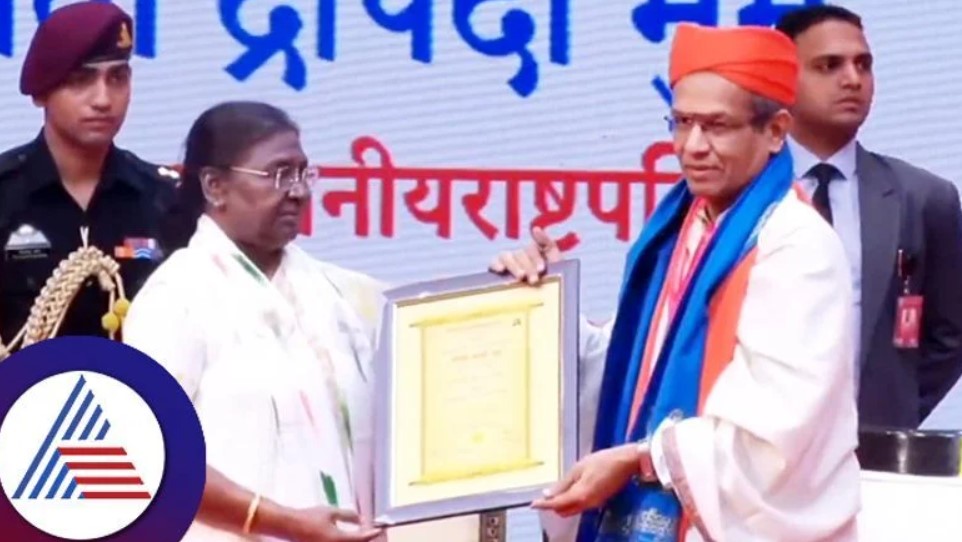
- 2003: Badarayaṇa-Vyasa Puraskar, awarded by the President of India.
- 2010: Sediyapu Award and an Honorary Doctorate from Tumkur University.
- 2012: Erya Award for his literary achievements.
- 2021: Sahitya Akademi Translation Prize, highlighting his skill in bringing works across languages.
- 2026: Padma Bhushan, one of India’s highest civilian honors, awarded by the Government of India.
Multilingual Mastery
One of the most striking qualities of Shatavadhani Ganesh is his command over languages. He is fluent in Sanskrit, Kannada, Telugu, Tamil, Hindi, Marathi, Prakrit, and Pali. Beyond Indian languages, he has also studied Greek, Latin, and Italian, which shows his wide intellectual curiosity.
This multilingual ability allows him to compose poetry, translate works, and deliver lectures across different traditions. It also makes his Avadhana performances richer, as he can respond to questions in multiple languages. For audiences, this is both surprising and delightful. It shows how knowledge can cross boundaries and connect cultures.
Read Also:- Shankh Mitra