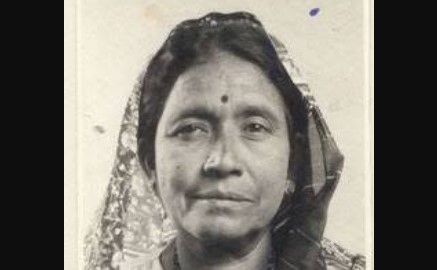
Vithabai Narayangaonkar is remembered as one of the greatest folk theatre artists of India. Born in 1935 and passing away in 2002, she lived a life that was both inspiring and heartbreaking. She was popularly called Tamasha Samradni, which means the Empress of Tamasha. Tamasha is a traditional folk theatre form of Maharashtra that combines dance, music, and drama. Vithabai dedicated her entire life to this art form and became a symbol of resilience and passion.
She grew up in poverty, entered the stage at a very young age, and faced many struggles in her personal life. Yet, she never gave up on her art. She performed across Maharashtra and India, winning the hearts of audiences with her Lavani performances. Even today, her name is spoken with respect among theatre lovers, and her contribution to folk culture is celebrated through awards and plays.
Vithabai Narayangaonkar Age, Death, Spouse, Parents, BIO
| Attribute | Details |
|---|---|
| Full Name | Vithabai Bhau Mang Narayangaonkar |
| Popular Title | Tamasha Samradni (Empress of Tamasha) |
| Date of Birth | 1 July 1935 |
| Place of Birth | Pandharpur, Solapur District, Maharashtra, India |
| Parents | Father: Bhau Bapu Narayangaonkar Mother: Shantabai Narayangaonkar |
| Siblings | Sisters: Ramabai Narayangaonkar, Kesharbai Narayangaonkar |
| Grandfather | Narayan Khude (Tamasha troupe founder) |
| Profession | Folk Theatre Artist, Lavani Performer |
| Known For | Tamasha, Lavani, Gavlan, Bhedik performances |
| Major Troupe | Bhau-Bapu Mang Narayangaonkar troupe |
| Awards & Titles | President’s Medal (1957, 1990) Title of Tamasha Samradni by Maharashtra Government President of Akhil Bharatiya Tamasha Parishad (1968) |
| Husband | Maruti (Anna) Sawant |
| Children | Daughters: Mangala Bansode, Sandhya, Malti Several sons |
| Famous Incident | Performed while nine months pregnant, gave birth backstage, returned to stage |
| Illness | Paralytic attack in 2002 |
| Date of Death | 15 January 2002 |
| Place of Death | KEM Hospital, Pune, Maharashtra |
| Age at Death | 66 years |
| Final Rites | Cremated at Narayangaon |
| Posthumous Honour | Vithabai Narayangaonkar Lifetime Achievement Award (2006, by Government of Maharashtra) |
| Wikipedia | @Vithabai_Bhau_Mang_Narayangaonkar |
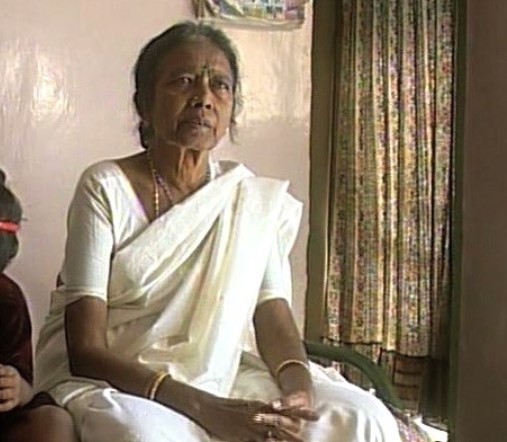
Early Life and Family Roots
Vithabai was born on 1 July 1935 in Pandharpur, Solapur district of Maharashtra. Her father, Bhau Bapu Narayangaonkar, and mother, Shantabai Narayangaonkar, were both connected to the Tamasha tradition. She had two sisters, Ramabai and Kesharbai, who also performed in Tamasha. Her grandfather, Narayan Khude, was a well-known Tamasha artist and had his own troupe.
From the beginning, she was surrounded by music and performance. Her home was not like ordinary homes; it was filled with rehearsals, songs, and stage discussions. Unlike many children of her age, she did not spend much time in school. Instead, she was drawn to the stage, where she found her true calling.
Childhood and Entry into Tamasha
Vithabai’s childhood was marked by struggle. She had to leave school at the age of four or five. She began participating in Tamasha performances at the age of ten. She did not receive formal training in Lavani or folk theatre, but her natural talent was so strong that she quickly became popular among audiences.
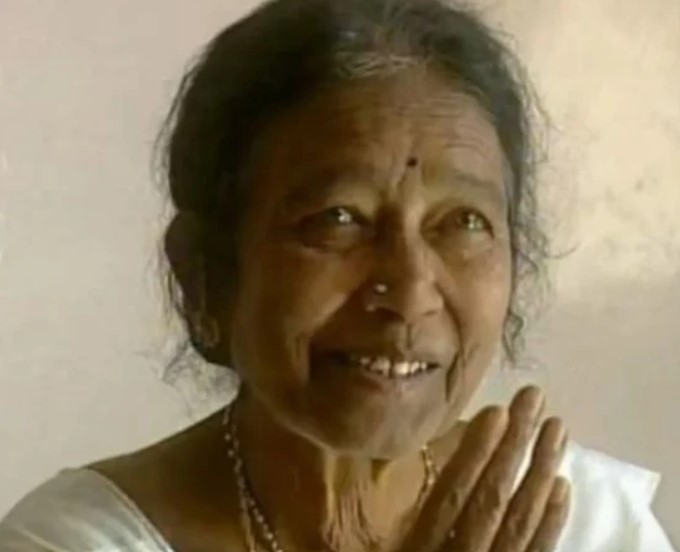
She performed Lavani, Gavlan, and Bhedik with great energy and emotion. Her voice, expressions, and dance moves were unique. People admired her ability to connect with the audience directly. Her entry into Tamasha was not just a career choice; it was a way of life. She carried the tradition of her family forward and became its brightest star.
Rise to Fame in Folk Theatre
Vithabai’s rise to fame began when she joined the Bhau-Bapu Mang Narayangaonkar troupe. She performed in villages, towns, and cities, slowly building her reputation. Her Lavani performances were especially loved. Lavani is a traditional dance form of Maharashtra that combines fast rhythms with expressive storytelling.
Her fame spread beyond Maharashtra. She performed in Delhi and other parts of India, where she was recognized by cultural institutions. The Sangeet Natak Akademi praised her work, and she even received appreciation from President Dr. Rajendra Prasad.
See Also:- James Burrows
Iconic Performances and Dedication
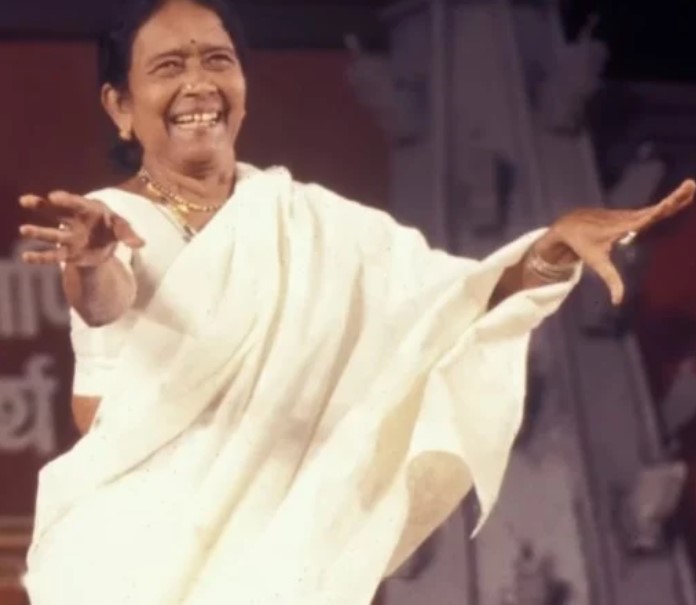
One of the most famous stories about Vithabai shows her unmatched dedication to Tamasha. In 1957, while she was nine months pregnant, she performed on stage with full energy. During the show, she went backstage and gave birth to her child. Within minutes, she cut the umbilical cord herself and returned to the stage to finish the performance.
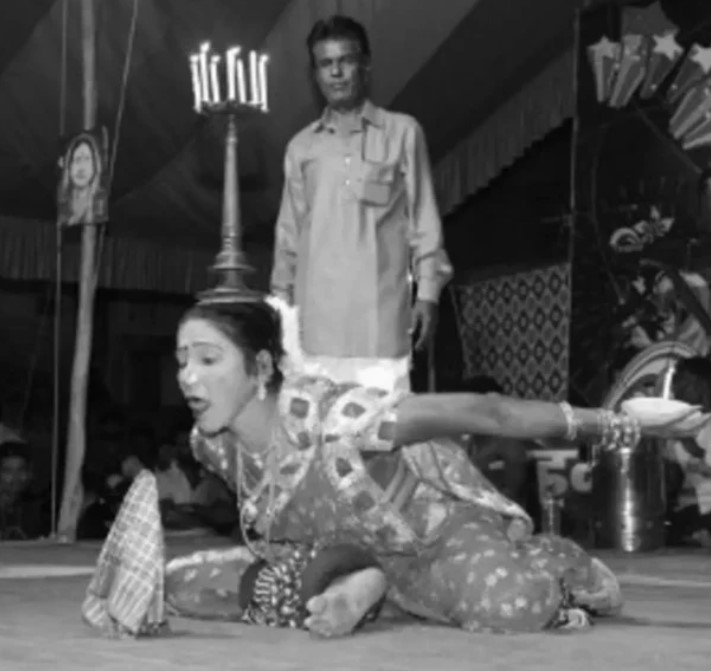
Her performances were not just about dance and music. They carried emotion, power, and a strong connection with the audience. She performed Lavani and baithakichi Lavni with such grace that people often said she was born to be on stage. Even when she faced personal struggles, she never allowed them to affect her art. For her, Tamasha was life itself.
Titles, Awards, and Recognition
Vithabai’s talent was recognized at the highest levels. She received the President’s Medal twice, in 1957 and 1990, for her contribution to folk theatre. The Government of Maharashtra gave her the title of Tamasha Samradni, which means the Queen of Tamasha. This title was not just an honour but also a recognition of her lifelong service to Lavani and Tamasha.
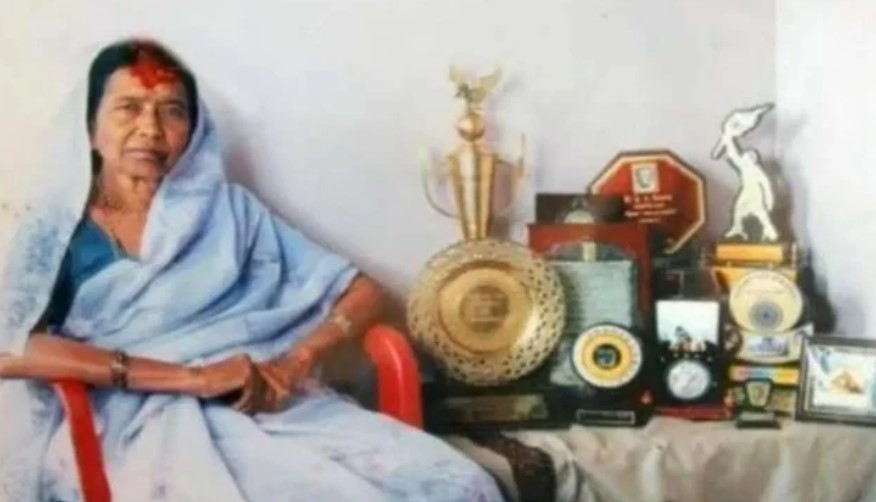
In 1968, she was appointed as the President of the Akhil Bharatiya Tamasha Parishad. She became a voice for performers who often struggled with financial and social challenges. Her awards and titles proved that folk theatre could stand alongside classical and modern art forms in importance.
Personal Life: Marriage and Struggles
Behind the curtain, Vithabai’s personal life was filled with pain. She was married to Maruti (Anna) Sawant. According to reports, she was abused and exploited in her marriage. Despite being a star on stage, she had to endure many difficulties at home. This contrast between her public success and private struggles makes her story even more human and touching.
She had several children, including daughters Mangala Bansode, Sandhya, and Malti. Her daughter Mangala later became a famous Tamasha performer and carried forward her mother’s legacy. The family remained deeply connected to Tamasha, with many of her children and grandchildren continuing the tradition.
Later Years and Challenges
As cinema and television grew in popularity, Tamasha began to lose its audience. This decline affected Vithabai deeply. Even though she was a celebrated artist, she faced financial problems in her later years. She often spoke about the need for pensions and support for Tamasha performers, many of whom lived in poverty despite their talent.
Her daughter Mangala Bansode rose to fame during this time and became known as Sangeetachi Rani. Mangala’s success gave some relief to the family, but Vithabai herself continued to struggle. She remained committed to Tamasha until the end, performing whenever she could, even when her health was failing.
Illness and Death
In early 2002, Vithabai suffered a paralytic attack. She was admitted to KEM Hospital in Pune, where she spent her final days. Sadly, her family faced financial difficulties and struggled to pay her hospital bills. This showed the harsh reality of folk performers who gave their lives to art but did not receive enough support in return.
On 15 January 2002, Vithabai passed away at the age of 66. Her death was a huge loss to the world of folk theatre. She was cremated in Narayangaon, the town that had been her home and stage for many years. Her passing marked the end of an era, but her legacy continued to inspire future generations.
Interesting Facts & Trivia
- Vithabai was called Tamasha Samradni (Empress of Tamasha).
- She performed while nine months pregnant, gave birth backstage, and returned to finish the show.
- She cut her baby’s umbilical cord with a stone during that performance.
- She refused film offers from Raj Kapoor to protect her troupe’s livelihood.
- She performed for soldiers during the 1962 Indo-China war.
- Her daughter Mangala Bansode became a famous Tamasha performer.
- A statue of Vithabai stands at Narayangaon bus stand in her honour.
Read Also:- Roopika