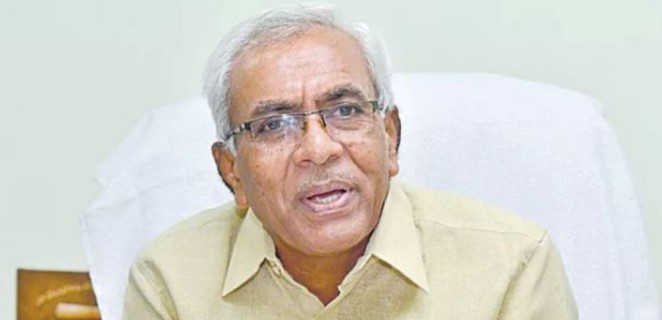
Nandini Sidda Reddy is one of the most respected names in Telugu literature and Telangana’s cultural history. Born on 12 June 1955, he is now 71 years old as of 2026. Over the years, he has worn many hats — poet, lyricist, teacher, activist, and cultural leader. His words have carried the emotions of ordinary people, especially during the Telangana movement, when poetry became a powerful tool of identity and pride.
Readers often connect with him because his writing is not just about art; it is about life, land, and the struggles of people. His famous poem Nageti Salalo Na Telangana, written in 1997, became a rallying cry for the movement and is still remembered today. From classrooms to political stages, his journey shows how literature can inspire change.
Nandini Sidda Reddy Age, Career, Family, BIO, Wife
| Attribute | Details |
|---|---|
| Full Name | Nandini Sidda Reddy |
| Date of Birth | 12 June 1955 |
| Age (as of 2026) | 71 years |
| Birthplace | Banda village, Kondapak mandal, Medak district, Telangana, India |
| Nationality | Indian |
| Profession | Poet, Writer, Lyricist, Teacher, Activist |
| Known For | Poetry collections, Telangana movement, Bathukamma songs, film lyrics |
| Father | Narra Bala Sidda Reddy (farmer, communist activist, deceased) |
| Mother | Ratnavva (homemaker, deceased) |
| Siblings | One younger sister |
| Education | BA (Siddipet), MA, MPhil, PhD (Osmania University, Hyderabad) |
| Academic Career | Lecturer in Medak and Siddipet until retirement in 2012 |
| Major Poetry Works | Diviti (1974), Bhoomi Swapnam (1987), Pranahita (1996), Nadi Puttuvadi (2007), Ikkadi Chetla Gaali (2014) |
| Famous Poem | Nageti Salalo Na Telangana (1997) |
| Film Contributions | Veera Telangana (2010), Poru Telangana (2011), Jai Bolo Telangana (2011), Bandook (2013), 2 Countries (2017) |
| Leadership Roles | First Chairman of Telangana Sahitya Akademi (2017), Organizer of World Telugu Conference (2017) |
| Awards | Free Verse Front Award (1986), Telugu University Award (2001), Nandi Award (2010), Vishista Puraskaram (2016), Sahitya Akademi Award (2025) |
| @sidhareddy.nandini | |
| Wikipedia | @Nandini_Sidda_Reddy |
Early Life and Background
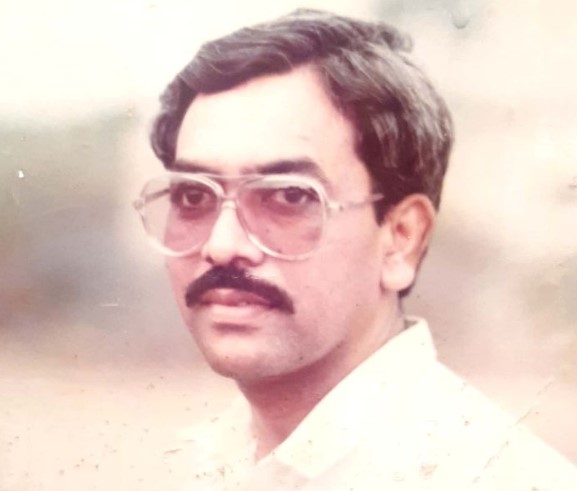
On 12 June 1955, Nandini Reddy was born in Banda village, Kondapak mandal, in Medak district, Telangana. His childhood was shaped by the rural surroundings of the region, where farming and community life were central. Growing up in a middle-class family, he was exposed to both the struggles of farmers and the dreams of a new generation that wanted change.
His father, Narra Bala Sidda Reddy, was a farmer but also a strong political voice. He was known for his communist activism and for standing against the Razakars, who were notorious during the Hyderabad state’s troubled times. This background gave young Sidda Reddy a sense of courage and responsibility. His mother, Ratnavva, was a homemaker who provided warmth and stability at home.
Family and Personal Life
Family has always played an important role in Nandini Reddy’s journey. His father’s activism and his mother’s quiet strength gave him the balance he needed to pursue literature and teaching. He also grew up with a younger sister, and the bond of siblings added to his sense of belonging.
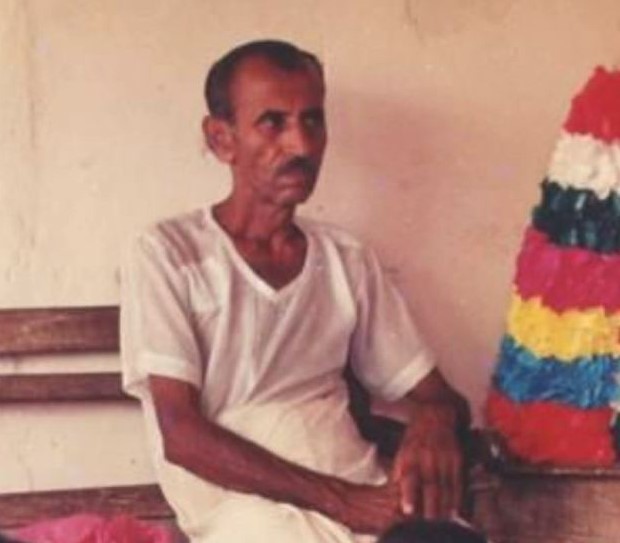
Though much of his life was dedicated to writing and activism, he never lost touch with his family roots. His poetry often reflects the values he learned at home — respect for land, love for culture, and empathy for people. Even after becoming a public figure, he remained grounded, carrying forward the lessons of his parents.
Education and Academic Achievements
Nandini Reddy’s journey in education was as remarkable as his literary career. He began his higher studies at Government Degree College in Siddipet, where he completed his Bachelor of Arts between 1972 and 1975. His interest in literature and philosophy grew stronger during these years, and he decided to pursue advanced studies at Osmania University in Hyderabad.
At Osmania University, he earned his Master’s degree in Telugu literature in 1978. He went on to complete his MPhil in 1982 and later his PhD in 1986. His doctoral research focused on Modern Poetry – Reality – Surrealism, a subject that reflected his deep interest in blending traditional forms with modern ideas. After completing his studies, he worked as a lecturer in Medak and Siddipet. He taught generations of students until his retirement in 2012.
Literary Career and Poetry Collections
Nandini Sidda Reddy’s literary career began in the 1970s. His first poetry collection, Diviti, was published in 1974. This marked the start of a long journey where he would go on to publish several important works. His poetry was known for its emotional depth, social awareness, and unique style.
One of his most celebrated collections was Bhoomi Swapnam (1987), which won the Free Verse Front Award. Later, he published Pranahita (1996), Nadi Puttuvadi (2007), and Ikkadi Chetla Gaali (2014). Each of these works carried themes of human struggle, nature, and the identity of Telangana. Apart from poetry, he also worked as an editor for magazines like Rose and Soi.
See Also:- Farsa Wale Baba (Cow Vigilante)
Role in Telangana Movement
One of the most defining aspects of Nandini Sidda Reddy’s life was his role in the Telangana movement. He composed the poem Nageti Salalo Na Telangana in 1997. What makes this poem special is that he wrote it in just one hour, yet it captured the emotions of an entire region. The poem became a cultural anthem and was sung at rallies, meetings, and celebrations.
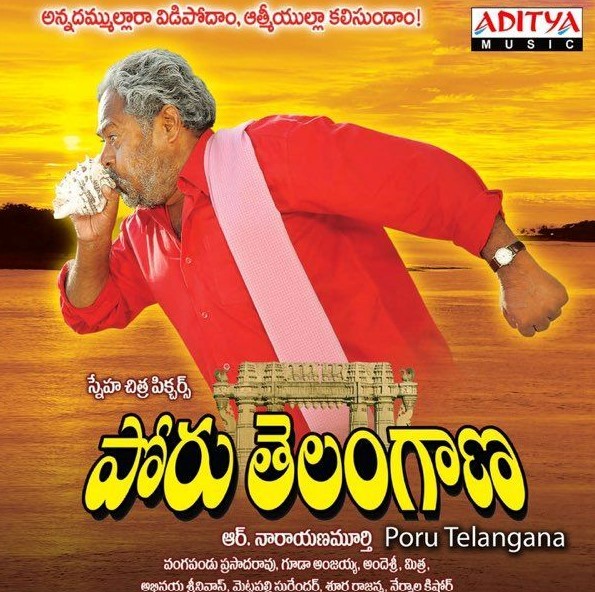
In 2001, he became the founding president of the Telangana Writers’ Forum, which brought together writers and intellectuals to support the cause. His involvement was not limited to poetry. He also worked in films like Poru Telangana (2011) and Jai Bolo Telangana (2011), where his lyrics carried the spirit of the movement.
Contributions to Telugu Cinema
Nandini Sidda Reddy’s influence was not limited to books and classrooms. He also made a mark in Telugu cinema as a lyricist. His ability to blend poetry with popular culture gave his songs a unique appeal. He wrote lyrics for films such as Veera Telangana (2010), Poru Telangana (2011), Jai Bolo Telangana (2011), Bandook (2013), and 2 Countries (2017).
His songs carried the same themes that defined his poetry — love for Telangana, respect for culture, and empathy for ordinary people. The lyrics were not just entertainment; they were messages of pride and identity. In 2010, he received the prestigious Nandi Award for Best Lyricist for his song Nageti Salalo Na Telangana. This recognition showed how his words could move both readers and moviegoers alike.
Leadership Roles and Cultural Advocacy
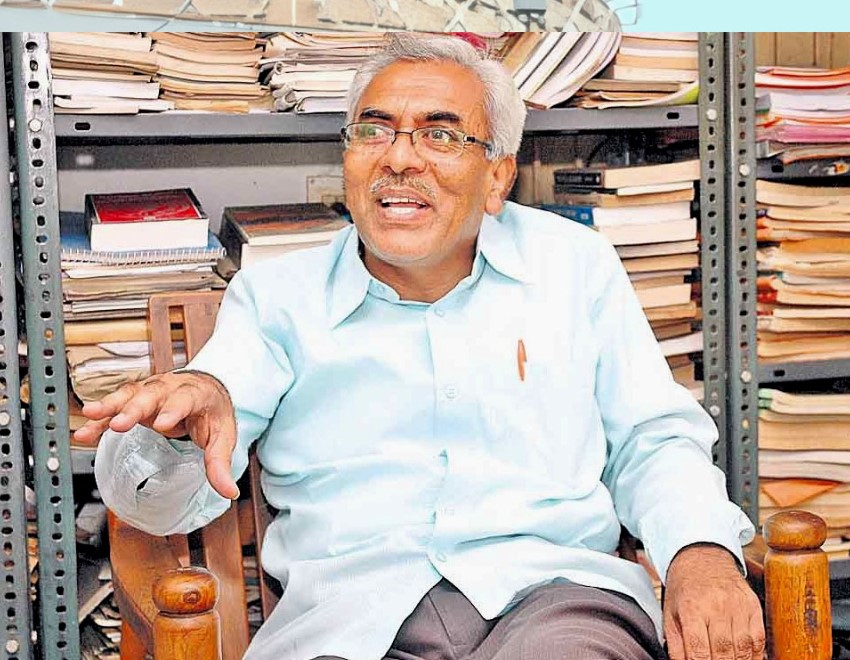
Beyond writing, Nandini Reddy took on leadership roles that shaped Telangana’s cultural landscape. In 2017, he became the first Chairman of the Telangana Sahitya Akademi. This position allowed him to promote literature and support writers across the state. He also played a key role in organizing the World Telugu Conference in 2017, which celebrated the richness of the Telugu language and literature.
He was also part of committees that designed Telugu textbooks and recruitment exam syllabi. His involvement ensured that Telangana’s dialect and cultural identity were preserved in education. Through these roles, he showed that literature is not just about creativity but also about responsibility to society.
Awards and Recognitions
- 1986: Free Verse Front Award for Bhoomi Swapnam
- 1988: Indore Bharathi Vari Dasharathi Award
- 2001: Telugu University Award for Pranahita
- 2010: Nandi Award for Best Lyricist (Nageti Salalo Na Telangana)
- 2016: Vishista Puraskaram by PSTU
- 2025: Sahitya Akademi Award for Animesha
Social Activism and Public Engagement
Nandini Sidda Reddy has always believed that literature should serve society. His activism was closely tied to the Telangana movement, but it also extended to education and cultural preservation. He helped establish organizations like Navasahiti, Medak Study Circle, and Manjeera Writers’ Association. These groups provided platforms for discussions, debates, and creative expression.
His activism was not about politics alone. It was about giving people a voice and helping them connect with their identity. He used poetry, songs, and speeches to inspire pride in Telangana’s culture. Even after the formation of Telangana state, he continued to work for the promotion of literature and education.
Read Also:- Uma Kumaran