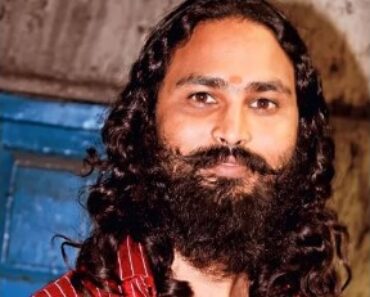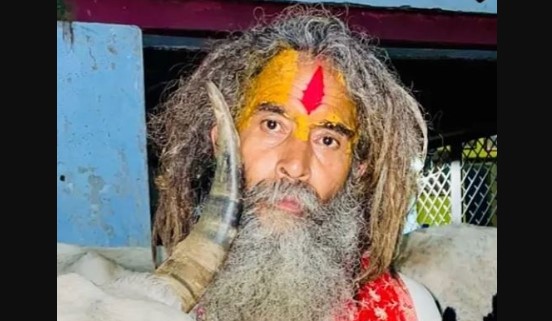
Farsa Wale Baba, also known as Chandrashekhar Baba, was a spiritual figure from Uttar Pradesh who became widely known for his devotion to cow protection. His life story is one of hardship, faith, and activism. Born in a small village, he grew up facing struggles after losing his parents at a young age. Over time, he transformed into a religious leader who dedicated his life to protecting cows and spreading spiritual teachings.
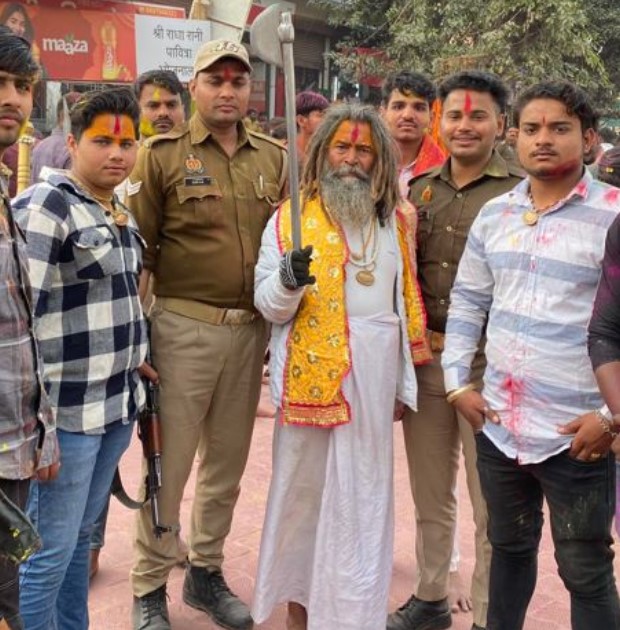
He was not just a saintly figure but also a vigilante who carried a heavy battle axe, which became his symbol. His followers admired him for his courage, while critics questioned his methods. His sudden death in March 2026 shocked many people and sparked debates about cow protection, law, and vigilante justice. This article explores his life, family, activism, controversies, and legacy in detail.
Farsa Wale Baba Career, Age, Death, Family, Biography
| Attribute | Details |
|---|---|
| Real Name | Chandrashekhar Baba |
| Popular Name | Farsa Wale Baba |
| Known For | Cow vigilante, spiritual leader, protector of cows |
| Birthplace | Gopalpur Natthanagla Urf Kukar, Moradabad, Uttar Pradesh |
| Family | Elder brother – Keshav; unmarried |
| Childhood Struggles | Lost both parents at a young age |
| Spiritual Journey | Joined Ayodhya Kar Seva movement in early 1990s |
| Residence | Ajnokh area, Mathura, Uttar Pradesh |
| Gaushala | Managed nearly 400 cows in his cowshed |
| Iconic Symbol | Heavy battle axe (farsa) weighing about 15 kg |
| Lifestyle | Vegetarian, simple living, avoided social functions |
| Death Date | 21 March 2026 |
| Death Place | Ajnokh, Chhata, Mathura, Uttar Pradesh |
| Cause of Death | Truck accident while chasing suspected cow smugglers |
| Controversy | Debate over accident vs. intentional killing |
| Legacy | Remembered as a fearless cow protector and spiritual figure |
| @team_farsa_wale_baba/ | |
| @tima.pharasa.vale.baba/ | |
| YouTube | @Teamfarsabalemaharaj/ |
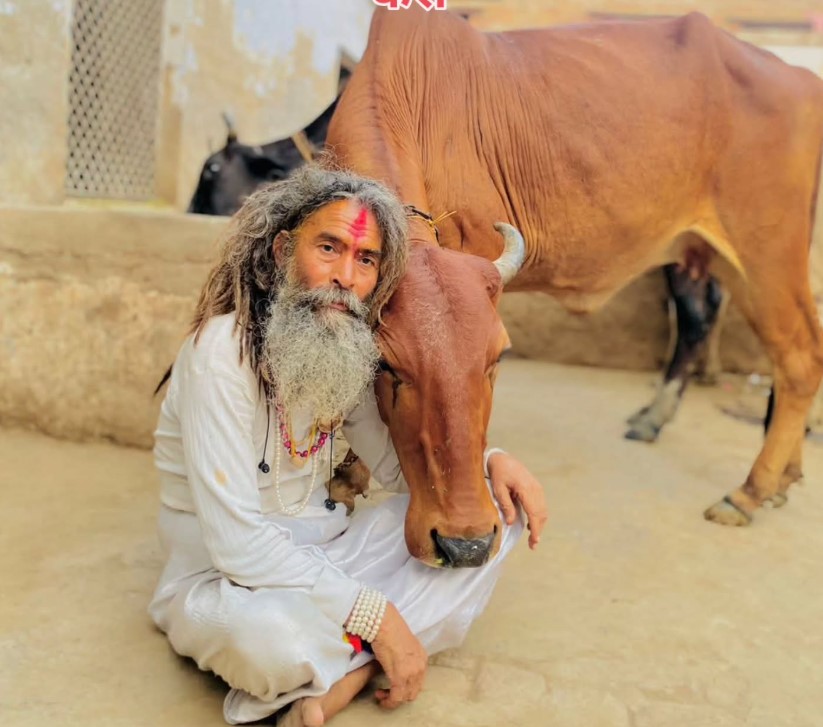
Early Life and Background
Chandrashekhar Baba was born in Gopalpur Natthanagla Urf Kukar village in Moradabad district, Uttar Pradesh. His childhood was marked by tragedy. At a very young age, he lost both of his parents. This loss shaped his early years and pushed him towards a spiritual path.
Raised in a rural setting, he grew up surrounded by traditional values and a strong connection to religion. His elder brother, Keshav, played a role in his upbringing, but Baba chose a different path. Instead of living a regular family life, he decided to walk away from worldly attachments. His early struggles gave him a sense of independence and a desire to live for a larger cause.
Journey into Spirituality
In the early 1990s, Chandrashekhar Baba became associated with the Ayodhya Kar Seva movement, which was a turning point in his life. This movement was deeply connected with religious identity and activism. His participation brought him closer to spiritual leaders and gave him recognition among followers.
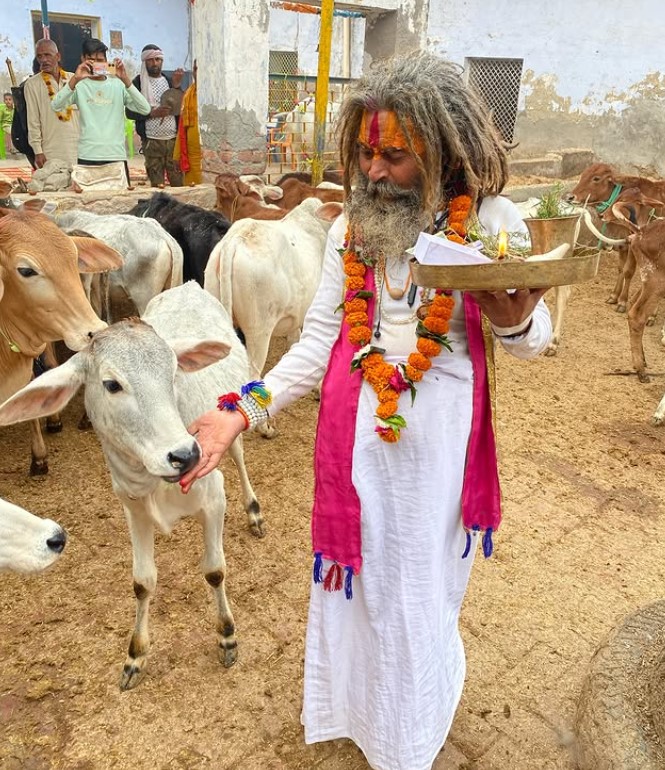
After leaving his home, he embraced the life of a saint. He adopted simple living, wore traditional attire, and carried a battle axe, which later became his identity. His journey was not just about personal faith but also about building a mission. He believed that protecting cows was a sacred duty, and this belief guided his actions throughout his life.
Establishment in Mathura
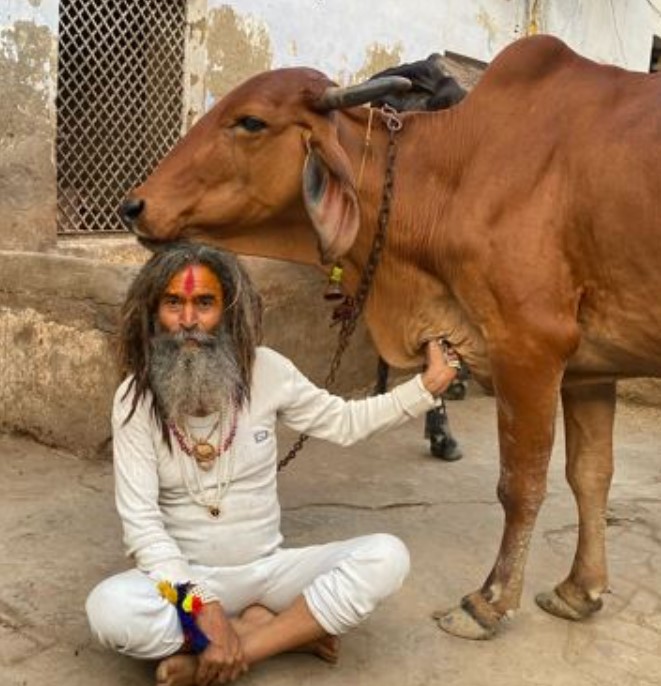
After leaving his village life behind, Farsa Wale Baba settled in the Ajnokh area of Mathura, Uttar Pradesh. This place became the centre of his spiritual and social work. He built a Gaushala (cow shelter) where hundreds of cows were kept and cared for. For him, Mathura was not just a city of Lord Krishna but also a sacred land where his mission could grow.
His cowshed became a symbol of his devotion. People from nearby villages often visited him, not only to see the cows but also to listen to his teachings. Over time, his name spread across the region, and he became known as a strong voice for cow protection. His presence in Mathura gave him a base from which he could continue his activism and spiritual journey.
See Also:- Shauna Chyn
Family and Personal Life
Despite his fame, Baba lived a solitary life. He never married and chose to remain away from worldly attachments. His elder brother, Keshav, lived in their native village, but Baba rarely visited. Even when he did, he avoided social functions like weddings or celebrations.
His choice to stay away from family life was part of his spiritual discipline. He believed that his mission was larger than personal happiness. By dedicating himself fully to cow protection and spirituality, he created a life that was simple yet powerful. His family respected his choices, even though they saw him only occasionally.
Role as a Cow Vigilante
Farsa Wale Baba was not only a saint but also a strong cow vigilante. He believed that protecting cows was a sacred duty, and he made it his life’s mission. In his cowshed, he kept nearly 400 cows, which were cared for with devotion. He often spoke about the importance of cows in Indian culture and religion, and his followers respected him for his dedication.
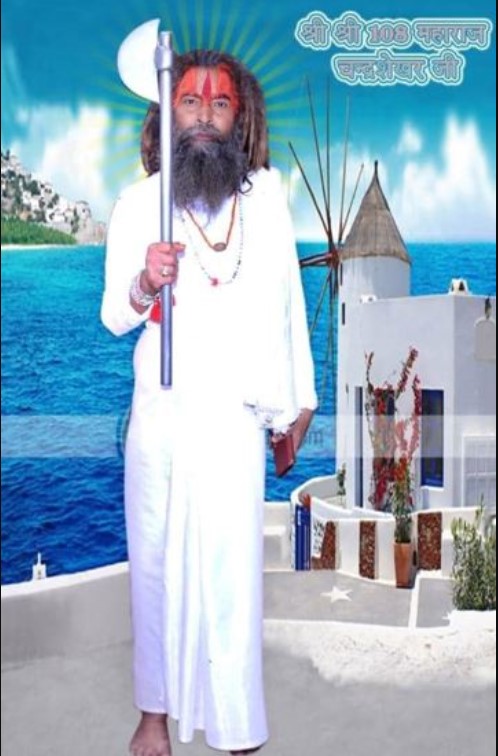
His vigilante role, however, brought him into direct conflict with smugglers and those involved in illegal cow trade. He would often chase trucks suspected of carrying cows and confront those involved. This made him a hero to many who supported cow protection, but it also created controversies. Critics argued that vigilante justice could lead to violence and lawlessness. Still, Baba remained firm in his belief that he was serving a divine purpose.
Death and Circumstances
On 21 March 2026, Farsa Wale Baba died in a tragic accident in Ajnokh, Chhata, Mathura, Uttar Pradesh. Reports said that he was chasing a truck suspected of smuggling cows when the vehicle hit him. The police explained that the accident happened due to heavy fog, which reduced visibility.
However, many locals believed that his death was not accidental. They claimed that smugglers deliberately ran him over. This difference in narratives created tension in the region. His followers blocked highways in protest, demanding justice. The police registered FIRs and arrested several people, but the debate over whether his death was an accident or a planned killing continued.
Social Media Presence
Even though Farsa Wale Baba lived a simple life, he understood the power of social media. He used platforms like Instagram, Facebook, and YouTube to share his thoughts and connect with followers. His posts often showed his cows, his spiritual activities, and his mission against cow smuggling.
Through these platforms, he reached a wider audience beyond Mathura. Many young people followed him online and admired his courage. His digital presence helped spread his message of cow protection and gave him recognition across different states.
Interesting Facts
- He always carried a battle axe weighing nearly 15 kg.
- He never attended weddings or social functions.
- He lived a vegetarian lifestyle and promoted simple living.
- He rarely visited his family, even though they lived nearby.
- His cows were considered sacred and central to his mission.
- He became known as “Farsa Wale Baba” because of his weapon.
- He was respected by many villagers for his fearless stand against smugglers.
Read Also:- Niall Aslam