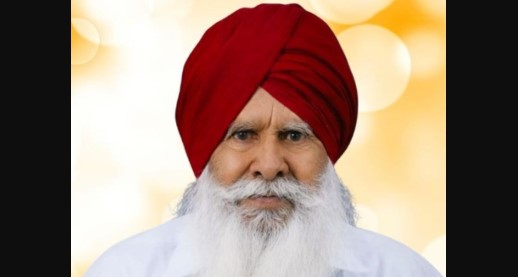
Raja Singh Oberoi’s life is a story of vision, resilience, and service. Known as the “TV Man of India”, he was one of the pioneers who made radios and televisions affordable for ordinary families. His journey was not just about building businesses; it was about changing how millions of Indians connected with the world. From music on transistor radios to family evenings around the television set, his work touched everyday lives in ways that still feel personal today.
Born in pre-independence India and shaped by the hardships of Partition, Oberoi rose from modest beginnings to become a respected entrepreneur and philanthropist. His death on 28 February 2026 in Ludhiana marked the end of an era, but his legacy continues to inspire. This biography looks closely at his age, wife, family, career, and the many interesting facts that make his story worth remembering.
Raja Singh Oberoi Death, Age, Wife, Family, Wiki
| Attribute | Details |
|---|---|
| Full Name | Raja Singh Oberoi |
| Known As | “TV Man of India” |
| Date of Birth | 19 February 1936 |
| Place of Birth | Hillan village, Mirpur (near Rawalpindi, now in Pakistan) |
| Age at Death | 90 years |
| Date of Death | 28 February 2026 |
| Place of Death | Ludhiana, Punjab, India |
| Nationality | Indian |
| Religion | Sikh |
| Occupation | Entrepreneur, Philanthropist |
| Notable Companies | Jupiter Radios (1961), Texla Electronics (1972) |
| Major Achievements | Affordable radios & TVs; Texla held 95% market share in Punjab |
| Awards | National Productivity Award (presented by Union Minister J. Vengal Rao) |
| Wife | Name not publicly documented; supportive partner in his journey |
| Children | Three sons, including Kawaljit Singh Oberoi |
| Family Ventures | Educational institutions in Ludhiana and Dehradun; hospitality sector |
| Philanthropy | Founder of Guru Ram Das Charitable Trust; aid during 1984 riots |
| Interests | Listening to music; promoting Gurbani broadcasting |
Early Life and Childhood Roots
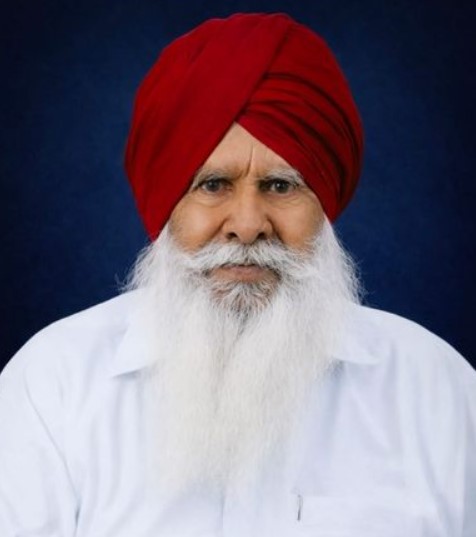
On February 19, 1936, Raja Singh Oberoi was born in Hillan village, Mirpur, which is close to Rawalpindi (now in Pakistan). His childhood was spent in a time of great change, as India was still under British rule. Growing up in a Sikh family, he was surrounded by traditions of hard work and community service. These values would later shape his approach to business and philanthropy.
In 1947, when India gained independence and Partition divided the country, Oberoi’s family migrated to India. At the time, he was just eleven years old. The move was not easy — like many families, they had to leave behind their home and possessions. Settling in Delhi, the Oberois faced the challenge of starting life again from scratch. This early struggle gave young Raja Singh a deep understanding of resilience and the importance of building something lasting.
Struggles After Partition
Life after Partition was full of difficulties. The Oberoi family had limited resources, and Raja Singh had to contribute to the household from a young age. He worked with a vegetable vendor to earn money, learning the basics of trade and customer service in the process. These small jobs taught him lessons that would later help him in business — the value of honesty, the importance of listening to people, and the need to keep prices fair.
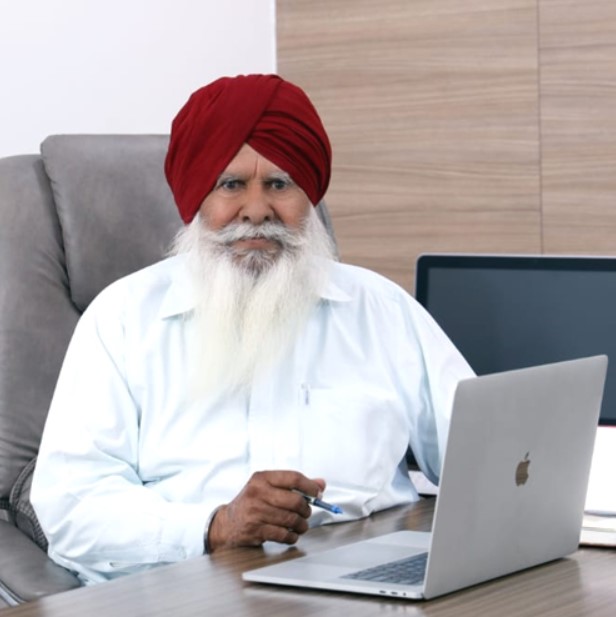
Despite the hardships, Oberoi never lost his determination. He believed that education and hard work could change his future. His early years in Delhi were characterized by arduous study sessions and menial employment to provide for his family. This mix of struggle and learning gave him the confidence to dream big. By the time he entered adulthood, he was ready to take risks and build something of his own.
Educational Background
After moving to Delhi, he studied in local schools while also helping his family earn a living. His schooling was not luxurious, but it gave him the foundation he needed to think independently. He was curious about how things worked, especially radios and electrical devices, which were becoming popular in India during the 1950s.
Though he did not have the privilege of higher education abroad, Oberoi believed in practical learning. He spent time observing workshops, reading about electronics, and experimenting with small gadgets. This hands-on approach gave him confidence to start his own ventures later. His education was not just about books; it was about learning from life and applying knowledge to solve real problems.
See Also:- Anindyo Baskoro
Entrepreneurial Journey: Radios to Televisions
By the early 1960s, Oberoi was ready to take a bold step. In 1961, he founded Jupiter Radios, a company that produced affordable transistor radios. At that time, radios were a luxury for many families. Oberoi wanted to change that by making them cheaper and accessible. His idea worked — Jupiter Radios quickly became popular, selling nearly 1.5 lakh radios every year.
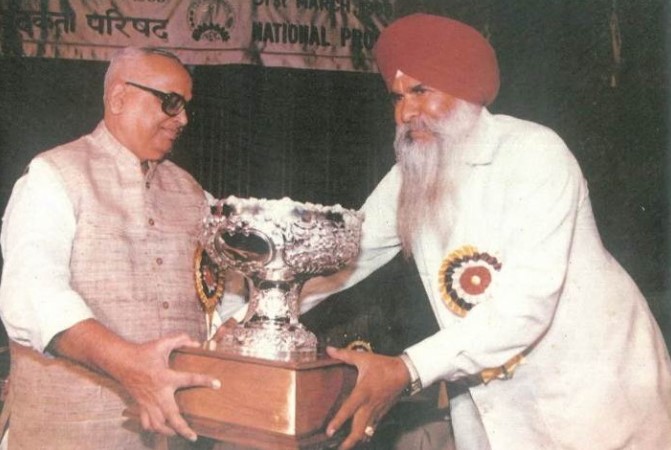
His success did not go unnoticed. He received the National Productivity Award, which was presented by Union Minister J. Vengal Rao. This recognition gave him credibility and encouraged him to dream bigger. Oberoi realised that if radios could reach the masses, televisions could do the same. In 1972, he launched Texla Electronics, a company that would revolutionise Indian homes.
Texla Electronics: Revolutionizing Indian Homes
Texla Electronics started with black-and-white televisions, which were still rare in Indian households. Oberoi’s vision was simple: every middle-class family should be able to afford a TV. His company kept prices low without compromising on quality. As a result, Texla became a household name in Punjab and nearby states. At one point, Texla held 95% of the market share in Punjab, a remarkable achievement for a homegrown brand.
When colour televisions arrived in India, Texla adapted quickly. The company introduced models that were affordable and reliable. Families across Ludhiana, Amritsar, and Delhi began to trust Texla as the brand that brought entertainment into their living rooms. For many, their first TV was a Texla, and it became a symbol of progress and modern living.
Personal Life: Wife and Family
Behind Raja Oberoi’s success was a strong family foundation. He was married and blessed with three sons, including Kawaljit Singh Oberoi, who later carried forward his father’s vision in education and business. His wife played a supportive role, standing by him during the ups and downs of entrepreneurship.
The Oberoi family later expanded into education and hospitality, setting up institutions in Ludhiana and Dehradun. These ventures were not just businesses; they reflected Raja Singh Oberoi’s belief that progress should be shared with society.
Philanthropy and Social Contributions
Raja Singh was not only a businessman but also a philanthropist. He founded the Guru Ram Das Charitable Trust, which supported education and healthcare initiatives. His charitable work was deeply rooted in Sikh values of service and compassion.
One of his most notable contributions came during the 1984 anti-Sikh riots, when he extended help to victims and families in distress. He also promoted Gurbani broadcasting, ensuring that devotional hymns reached households across Punjab. For him, success was meaningful only when it was shared with others.
Death and Final Days
Due to age-related health problems, Raja Singh Oberoi died in Ludhiana on February 28, 2026. Raja was ninety years old. In India, his loved ones, friends, and admirers grieved his passing. Business executives, educators, and regular people who remembered him as the guy who introduced reasonably priced televisions into their homes poured in tributes.
His passing marked the end of a remarkable journey, but his influence continues. For many, his story is a reminder that determination and vision can overcome even the hardest beginnings. His funeral was attended by people from different walks of life, reflecting the wide impact he had on society.
Read Also:- Katia Kaady