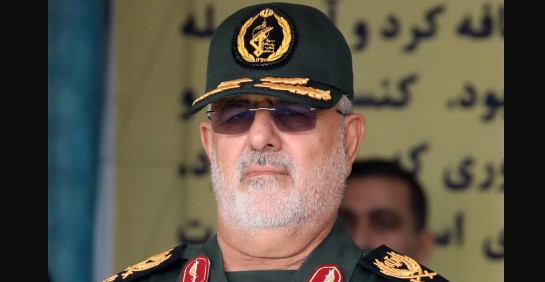
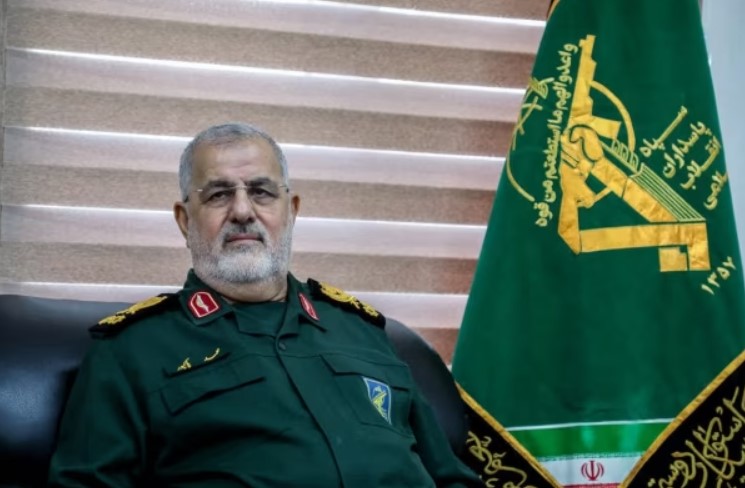
Mohammad Pakpour was one of the most powerful figures in Iran’s military establishment. For decades, he served as a senior commander in the Islamic Revolutionary Guard Corps (IRGC), shaping strategies and leading forces during some of the most turbulent times in the country’s history. His career spanned from the early years of the Iranian Revolution to the modern era of drone warfare and international sanctions.
Pakpour’s name became widely known not only inside Iran but also across the world, especially in recent years when he was placed under sanctions by the United States and several other countries. His death in February 2026, during Israeli–U.S. strikes, marked the end of a long and controversial career. For many Iranians, he was a symbol of military strength, while for others, he represented the hardline face of the regime.
Mohammad Pakpour Age, Career, Death, Family, BIO
| Attribute | Details |
|---|---|
| Full Name | Mohammad Pakpour |
| Date of Birth | 2 June 1961 |
| Place of Birth | Arak, Markazi Province, Iran |
| Date of Death | 28 February 2026 |
| Place of Death | Iran (during Israeli–U.S. strikes) |
| Age at Death | 64 years |
| Nationality | Iranian |
| Education | PhD in Political Geography, Tehran University |
| Occupation | Military Officer |
| Years of Service | 1979–2026 |
| Military Branch | Islamic Revolutionary Guard Corps (IRGC) |
| Commands Held | – 8th Najaf Division – 31st Ashura Division – IRGC Ground Forces (2010–2025) – IRGC Commander (2025–2026) |
| Major Wars | Iran–Iraq War (1980–1988) |
| Awards | Order of Fath (1st class) |
| Known For | Modernizing IRGC Ground Forces, introducing drone warfare, leading Saberin Unit |
| Sanctions | Sanctioned by U.S. Treasury (2019) and later by EU, Australia, Japan, Canada |
| Family | Married (details private) |
| Religion | Shia Islam |
| Wikipedia | @Mohammad_Pakpour |
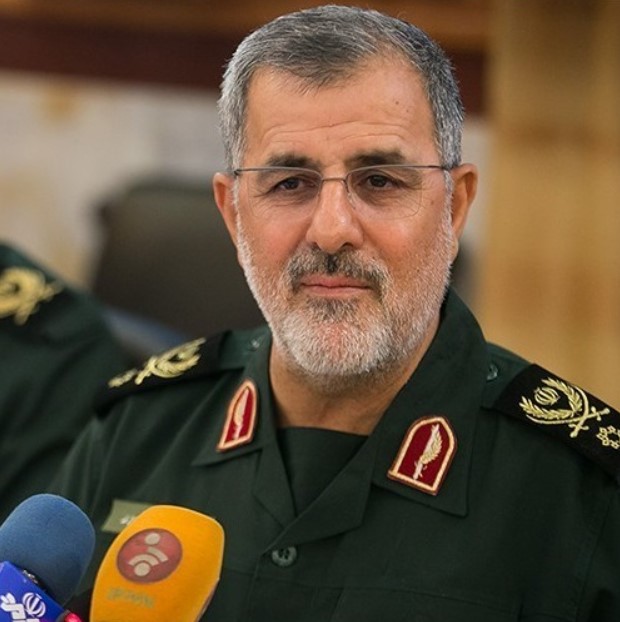
Early Life and Birthday
Mohammad was born on 2 June 1961 in Arak, a city in Markazi Province, Iran. Arak is known for its industrial base, but during his childhood, it was also a place where traditional values and family ties played a strong role. Growing up in this environment shaped his worldview and gave him a sense of belonging to the Iranian heartland.
Pakpour later earned a PhD in Political Geography from Tehran University, which gave him a deeper understanding of Iran’s strategic position in the region. His academic background was unusual for a military officer, but it helped him combine theory with practice in his leadership roles. His family life remained largely private, though it is known that he was married and maintained close ties with his relatives.
Entry into Military Service
Pakpour’s military career began soon after the 1979 Iranian Revolution, a time when the country was undergoing massive changes. He joined the newly formed Islamic Revolutionary Guard Corps (IRGC), which was created to protect the revolution and its values. His early years in the IRGC were spent fighting in the Kurdish rebellion, where he gained firsthand experience in counterinsurgency operations.
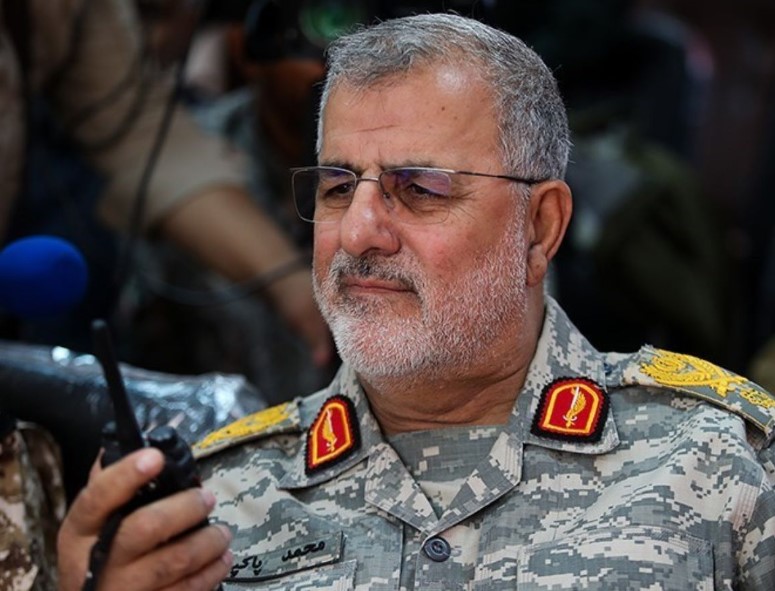
These early battles were tough and dangerous, but they gave Pakpour the chance to prove his loyalty and skills. His ability to lead men in difficult conditions quickly caught the attention of senior commanders. By the time the Iran–Iraq War broke out in 1980, Pakpour was already seen as a rising figure in the IRGC. His journey from a young recruit to a respected commander was just beginning, and the war would play a major role in shaping his future.
Role in the Iran–Iraq War (1980–1988)
The Iran–Iraq War was one of the longest and bloodiest conflicts in the Middle East, lasting eight years. Mohammad Pakpour played a major role during this time. He served in different divisions, including the 8th Najaf Division and the 31st Ashura Division.
Pakpour’s leadership during the war helped him gain respect among his peers. He was not only a fighter but also a commander who could organize men under pressure. The war was a turning point in his career, as it gave him the chance to prove his skills in real combat. His name became linked with bravery and discipline, qualities that would later define his role in the IRGC.
See Also:- Ebrahim Raisi
Rise Through the Ranks
After the war ended in 1988, Pakpour continued to climb the military ladder. He commanded the Army’s Northern Command headquarters, where he was responsible for securing Iran’s borders. He also spent five years in the Army Operations Command, which gave him experience in planning and managing large-scale missions.
His work was not limited to one region. Pakpour was sent to handle security challenges in both northwest and southeast Iran. These areas were often unstable, with insurgent groups and smuggling networks causing trouble. His ability to restore order in these regions showed his skill as a strategist. By the late 1990s and early 2000s, he was already seen as one of the most reliable commanders in the IRGC.
Appointment as IRGC Ground Forces Commander (2010–2025)
In 2010, Mohammad was appointed as the commander of the IRGC Ground Forces. This was one of the most important positions in Iran’s military system. As commander, he focused on modernizing the force and making it more effective in modern warfare. He introduced new technologies, including drones, which became a key part of Iran’s defense strategy.
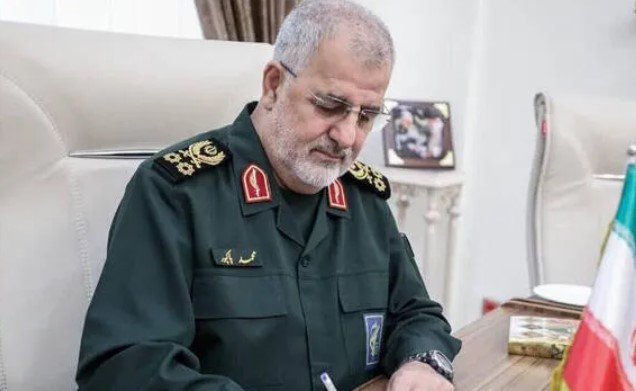
Pakpour also oversaw the Saberin Unit, a special forces group trained for high-risk missions. Under his leadership, the IRGC Ground Forces carried out several operations against terrorist groups. One of the most notable moments came in 2017, when ISIS terrorists attacked Tehran. Pakpour’s forces played a major role in neutralizing the attackers, which boosted his reputation as a strong defender of the nation.
International Sanctions and Global Attention
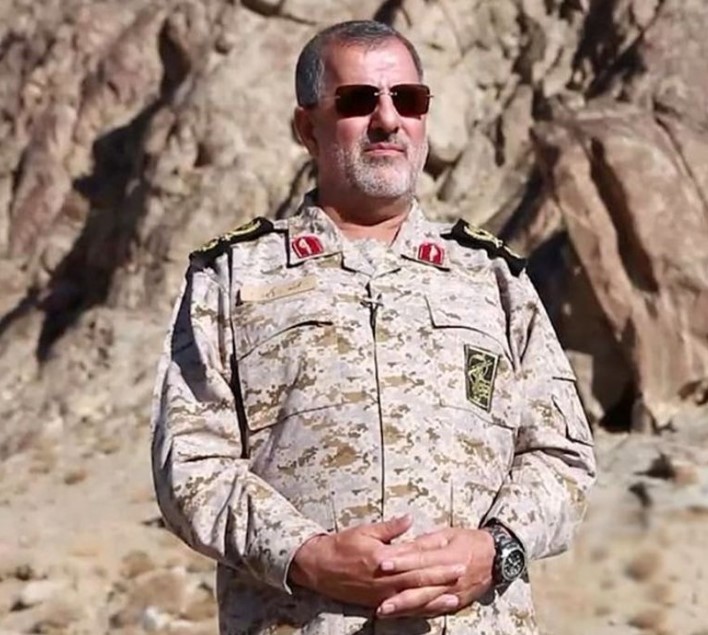
Mohammad Pakpour’s career was not only shaped by his work inside Iran but also by the way the world saw him. In 2019, the United States Treasury Department placed sanctions on him. These sanctions were part of a larger effort to weaken the IRGC’s influence. Soon after, other countries like the European Union, Australia, Japan, and Canada also added his name to their sanction lists.
Sanctions meant that Pakpour could not travel freely or access international financial systems. They also showed how much attention global powers were paying to his role in Iran’s military. For Iran, however, these sanctions were often seen as proof of his importance. Inside the country, he was praised for standing firm against outside pressure.
Leadership of the IRGC (2025–2026)
In June 2025, Pakpour reached the highest point of his career. After the death of Hossein Salami, he was appointed as the commander of the entire IRGC. This was a powerful position, and his appointment was officially endorsed by Supreme Leader Ayatollah Ali Khamenei. His rise showed the trust that Iran’s leadership had in him.
As commander, Pakpour faced many challenges. Iran was dealing with protests, economic problems, and growing tensions with the United States and Israel. He replaced his old role in the Ground Forces with Mohammad Karami, while he focused on leading the IRGC as a whole. His leadership style was strict, and he often spoke about defending Iran against foreign enemies.
Final Months and Death
In January 2026, he issued strong warnings to the United States and Israel, saying that Iran would respond to any attacks. At the same time, he was deeply involved in suppressing protests inside Iran. These protests were driven by economic hardship and demands for more freedom, and Pakpour’s forces were sent to control them.
On 28 February 2026, his career came to a sudden end. Israeli and U.S. strikes targeted Iranian military leaders, and Pakpour was among those killed. His death was confirmed by Iranian state media, and it sent shockwaves through the country. For supporters of the regime, he was seen as a martyr. For critics, his death marked the fall of a man who had played a central role in keeping the system strong.
Read Also:- Amir Hatami (Minister of Defence of Iran)