Ebrahim Raisi was one of the most powerful figures in Iran in recent years. Born in 1960, he rose from a religious student in Mashhad to become the country’s eighth president. His life was marked by both devotion to Islamic law and controversy over his role in Iran’s judiciary. Raisi’s sudden death in May 2024 shocked the nation and the world, cutting short a presidency that was seen as both influential and divisive.
For readers who want to understand his journey, it is important to look at his childhood, his family, his rise through the courts, and his time as president. His story is not only about politics but also about faith, power, and the way one man shaped the future of a country.
Ebrahim Raisi Death, Age, Wife, Family, BIO
| Attribute | Details |
|---|---|
| Full Name | Sayyid Ebrahim Raisolsadati (commonly known as Ebrahim Raisi) |
| Date of Birth | 14 December 1960 |
| Place of Birth | Mashhad, Iran |
| Date of Death | 19 May 2024 |
| Age at Death | 63 years |
| Cause of Death | Helicopter crash in East Azerbaijan province, Iran |
| Nationality | Iranian |
| Religion | Shia Islam |
| Occupation | Politician, Cleric, Jurist |
| Political Party | Principlist (Conservative faction) |
| Positions Held | Prosecutor of Karaj (1981), Prosecutor of Hamadan, Deputy Prosecutor of Tehran, Tehran Prosecutor, Head of General Inspection Office, Deputy Chief Justice, Attorney General, Chief Justice of Iran (2019–2021), President of Iran (2021–2024) |
| Presidential Term | 5 August 2021 – 19 May 2024 |
| Predecessor | Hassan Rouhani |
| Successor (Acting) | Mohammad Mokhber |
| Spouse | Jamileh Alamolhoda (academic and university leader) |
| Children | Two daughters |
| Father-in-law | Ahmad Alamolhoda (senior cleric of Mashhad) |
| Nickname (Critics) | “Butcher of Tehran” |
| Education | Qom Seminary (Islamic jurisprudence, theology, philosophy) |
| Notable Roles | Custodian of Astan Quds Razavi (2016–2019), one of Iran’s wealthiest religious foundations |
| International Sanctions | Sanctioned by U.S. and EU for human rights abuses |
| Wikipedia | @Ebrahim_Raisi |
Early Life and Childhood
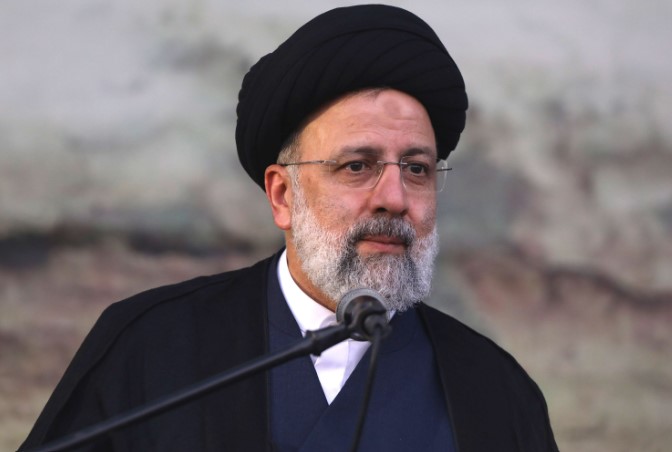
Ebrahim was born on 14 December 1960 in Mashhad, one of Iran’s holiest cities. His family was deeply religious, and his father was a cleric. Tragedy struck early when Raisi lost his father at the age of five. This loss had a lasting impact on him, and he was raised by his mother and relatives in a household that valued faith and discipline.
Mashhad, being home to the shrine of Imam Reza, gave Raisi a strong religious environment. Growing up in such surroundings, he was naturally drawn to Islamic studies. By the age of 15, he had already joined the Qom Seminary, one of the most important centers of Shia learning in Iran. This decision set the course for his future career in both religion and politics.
Entry into Judicial Service
After finishing his religious studies, Ebrahim Raisi quickly moved into Iran’s judicial system. In 1981, at just 21 years old, he was appointed as the Prosecutor of Karaj, a city near Tehran. This was a major responsibility for someone so young, and it showed the trust that senior clerics and leaders had in him.
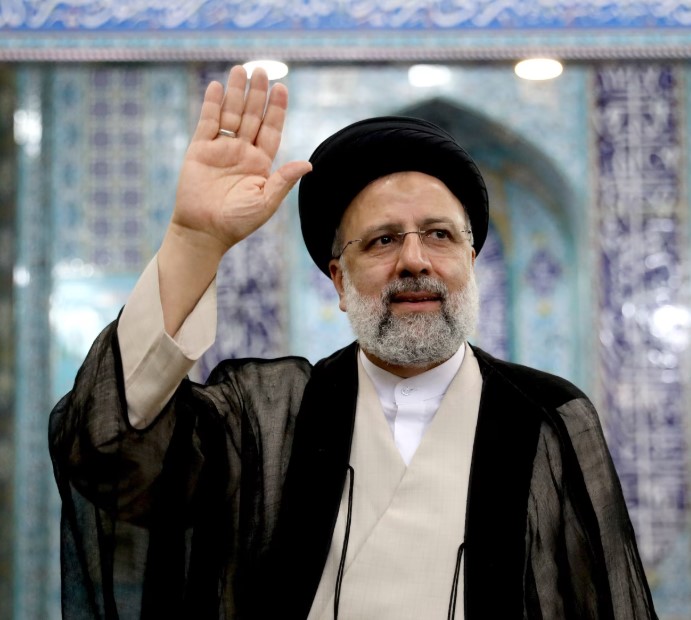
Within a few years, Raisi also served as Prosecutor in Hamadan. His work during the early 1980s was marked by strict enforcement of Islamic law. Iran was still adjusting after the 1979 Revolution, and the judiciary was seen as a tool to protect the new Islamic Republic. Raisi’s reputation as a tough and loyal figure grew quickly.
Controversial Role in 1988 Executions
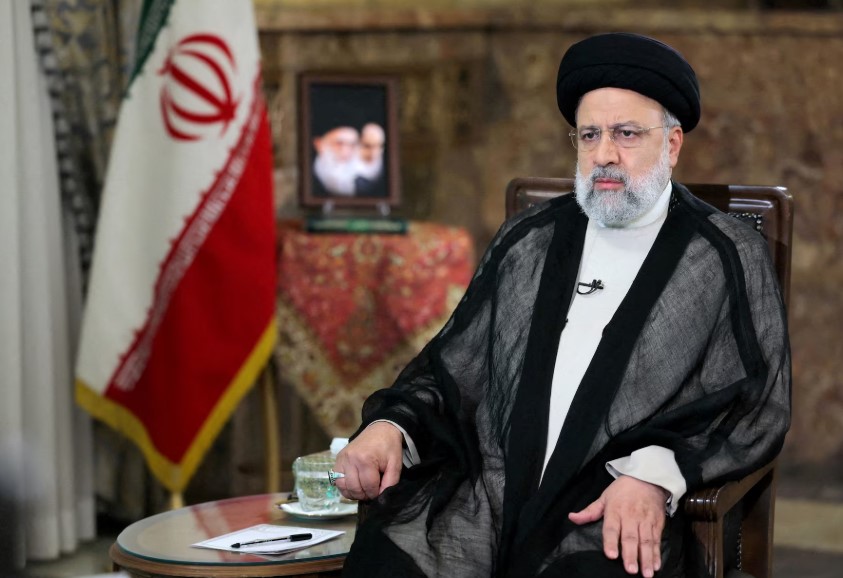
One of the darkest chapters in Raisi’s career came in 1988. He was part of a committee in Tehran that oversaw the execution of thousands of political prisoners. Many of those killed were members of opposition groups, including the People’s Mujahedin of Iran. Human rights groups later accused Raisi of playing a direct role in these mass executions.
Because of this, Raisi was often called the “Butcher of Tehran” by critics. The events of 1988 followed him throughout his career, and international organizations repeatedly raised concerns about his human rights record. While Raisi himself rarely spoke about this period, it remained a major point of controversy.
See Also:- TA Anish (Kannada Director)
Climb Through Judicial Ranks
Despite the criticism, Raisi continued to rise in Iran’s judiciary. From 1989 to 1994, he served as Tehran’s Prosecutor. Later, he became the head of the General Inspection Office, where he worked for a decade. His role was to monitor government offices and ensure they followed the law.
In 2004, Raisi was appointed Deputy Chief Justice, a position he held for ten years. He then became Attorney General in 2014, before being named Chief Justice in 2019. As Chief Justice, Raisi focused on fighting corruption and strengthening conservative values in the courts. His long career in the judiciary made him one of the most experienced legal figures in Iran.
Political Career and Presidential Campaigns
Raisi’s first attempt to enter politics came in 2017, when he ran for president against Hassan Rouhani. He lost that election but gained national attention as a strong conservative candidate. His campaign focused on fighting corruption and improving the economy, themes that would remain central to his political message.
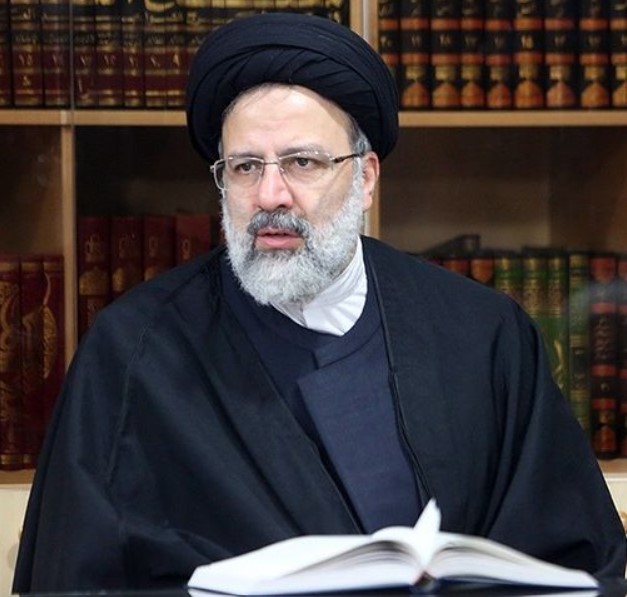
In 2021, Raisi ran again and this time won with about 63% of the vote. His victory was supported by Iran’s conservative factions, and many saw him as a possible successor to Supreme Leader Ayatollah Ali Khamenei. Raisi promised to create jobs, reduce inflation, and stand firm against Western pressure. His presidency marked a shift toward harder policies both at home and abroad.
Presidency (2021–2024)
When Ebrahim became president in August 2021, Iran was facing many challenges. The economy was struggling under heavy sanctions, inflation was high, and unemployment was a concern for young people. During his presidency, Raisi focused on strengthening ties with countries like Russia and China. He believed that Iran should not depend on the West and instead build strong relations with allies in Asia.
At home, Raisi faced protests, especially after the death of Mahsa Amini in 2022. Many Iranians demanded more freedom and better living conditions. His government responded with strict measures, which drew criticism from human rights groups. Despite this, Raisi remained popular among conservative supporters who saw him as a defender of Islamic values.
Family and Personal Life
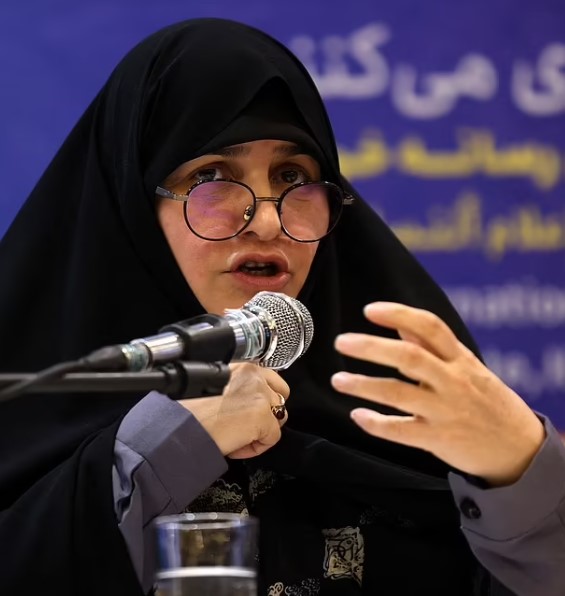
Ebrahim was married to Jamileh Alamolhoda, a respected academic and university leader. She worked as the head of a women’s university in Tehran and was known for her research in education. Raisi’s father-in-law, Ahmad Alamolhoda, was a powerful cleric in Mashhad and played an important role in religious affairs.
The couple had two daughters, but they kept their family life private. Raisi was known for being deeply religious and conservative in his personal habits. He lived a simple life and often spoke about the importance of faith and discipline. His family background and marriage connected him to some of the most influential clerical networks in Iran.
Death in Helicopter Crash
On May 19, 2024, a catastrophe struck when Raisi’s chopper crashed in East Azerbaijan province. The accident happened in poor weather conditions while he was returning from a visit to the border region. Along with Raisi, Foreign Minister Hossein Amir-Abdollahian and several other officials also lost their lives.
The news shocked Iran and the wider world. Supreme Leader Ayatollah Ali Khamenei declared several days of mourning, and millions of Iranians attended ceremonies to honor Raisi. His death made him the second president in Iran’s history to die while in office. Many believed he was being prepared to succeed Khamenei as Supreme Leader, so his passing changed the country’s political future.
Interesting Facts and Anecdotes
- Raisi was often described as quiet and serious, rarely showing emotion in public.
- He supported policies that separated men and women in public spaces, reflecting his conservative views.
- His wife’s academic career was seen as a contrast to his political life, showing different sides of their family.
- Raisi managed Astan Quds Razavi, one of Iran’s richest religious foundations, before becoming president.
- There was debate over whether he should be called “Ayatollah” or “Hojjat al-Islam,” showing how titles mattered in Iran’s clerical system.
Read Also:- El Mencho